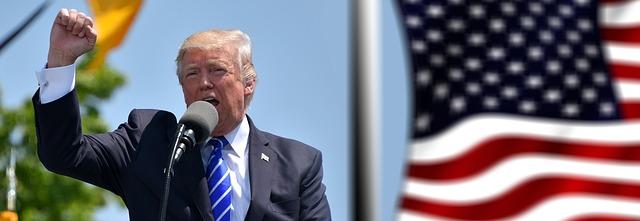
Former President Donald Trump has denied involvement in the establishment of a $1.7 billion compensation fund, according to recent statements made amid ongoing scrutiny. As developments unfold, Trump’s assertions have sparked renewed debate over his role and accountability in the financial arrangement. This article provides a detailed, up-to-the-minute account of the situation as it continues to evolve.
Donald Trump Denies Role in $1.7 Billion Compensation Fund Creation
In a recent statement, Donald Trump has categorically denied any involvement in the establishment of a $1.7 billion compensation fund that has been under scrutiny. Amid ongoing investigations, Trump emphasized that he was not part of the decision-making process and had no role in directing or influencing the creation or management of the fund. This denial comes as officials continue to seek clarity on the origins and allocation of the substantial financial resources intended to address claims linked to his administration’s policies.
Key points from Trump’s response include:
- No authorization: Trump insists he never authorized or endorsed the fund’s establishment.
- Delegated authority: Claims responsibility lies with lower-level officials, distancing himself from operational decisions.
- Ongoing inquiry: Calls for transparency and full investigation into how the fund was administered and by whom.
| Aspect | Details |
|---|---|
| Fund Amount | $1.7 Billion |
| Trump’s Role | Denied involvement |
| Investigation Status | Ongoing |
Key Questions Raised Over Accountability and Transparency
Questions surrounding the management and oversight of the $1.7bn compensation fund have intensified as Donald Trump distanced himself from its creation, claiming he “wasn’t involved.” Critics argue that such statements complicate efforts to identify who holds ultimate responsibility for the allocation and distribution of the funds, raising concerns about potential gaps in transparency and accountability mechanisms.
Among the key issues driving public scrutiny are:
- Decision-making Authority: Who authorized the establishment and disbursement parameters of the fund?
- Oversight Processes: What checks and balances are in place to ensure funds reach intended recipients?
- Transparency Measures: How accessible is information on the fund’s administration to the public and relevant stakeholders?
| Aspect | Current Status | Calls for Improvement |
|---|---|---|
| Governance | Unclear chain of command | Establish clear leadership roles |
| Reporting | Limited public disclosures | Regular, detailed reporting |
| Monitoring | Minimal external audits | Independent third-party reviews |
Legal Experts Weigh Implications of Trump’s Statement
Legal analysts are meticulously dissecting the potential ramifications of Donald Trump’s recent claim that he had no involvement in the establishment of the $1.7 billion compensation fund. Experts emphasize that such a statement, whether accurate or strategic, could significantly influence ongoing litigation and regulatory scrutiny. The claim raises questions about fiduciary responsibilities and whether Trump’s denial could be leveraged in court to dissociate him from financial liabilities, or conversely, be challenged by prosecutors to establish accountability.
Several key points have emerged as critical in the review of this assertion:
- Transparency of Fund Creation: Legal experts stress the need to scrutinize the documentation and communications that led to the fund’s setup to determine Trump’s actual role.
- Implications for Civil and Criminal Cases: The statement could affect a range of proceedings, possibly impacting witness testimonies and evidence sharing.
- Potential Impact on Settlements: The clarification might alter negotiation dynamics in settlements involving the fund.
| Aspect | Possible Legal Impact | Expert Commentary |
|---|---|---|
| Fund Inception Records | Verification of involvement | “Key to confirming or refuting Trump’s claims.” |
| Litigation Strategy | Shifts in defense approach | “Could either complicate or simplify proceedings.” |
| Regulatory Oversight | Increased scrutiny | “Authorities may intensify investigation efforts.” |
Recommendations for Strengthening Oversight in Compensation Fund Management
Enhancing the transparency and accountability within the management of compensation funds is critical to restoring public trust, especially in high-profile cases involving substantial sums. Implementing independent oversight committees composed of third-party auditors and legal experts can serve as a robust check against potential conflicts of interest and mismanagement. These committees should have full access to fund allocation records, regularly publish detailed reports, and be empowered to recommend corrective actions without political interference.
Furthermore, adopting a clear framework of public disclosure and stakeholder engagement can significantly reduce opacity around decision-making processes. This framework might include:
- Mandated quarterly updates on fund disbursements and administrative expenses
- Accessible channels for beneficiaries to report grievances and fraud
- Formalized roles for community representatives in fund governance to ensure diverse voices are heard
| Oversight Measure | Intended Outcome |
|---|---|
| Independent Audit Panels | Ensure unbiased fund evaluation and prevent conflicts of interest |
| Quarterly Public Reports | Enhance transparency and build public trust |
| Stakeholder Inclusion | Promote accountability and responsiveness to beneficiary needs |
Wrapping Up
As the investigation into the $1.7 billion compensation fund continues to unfold, Donald Trump’s denial of involvement adds another layer to an already complex story. With related developments still emerging, the full scope and accountability behind the fund’s creation remain subjects of scrutiny. The Guardian will provide ongoing coverage as new information comes to light.