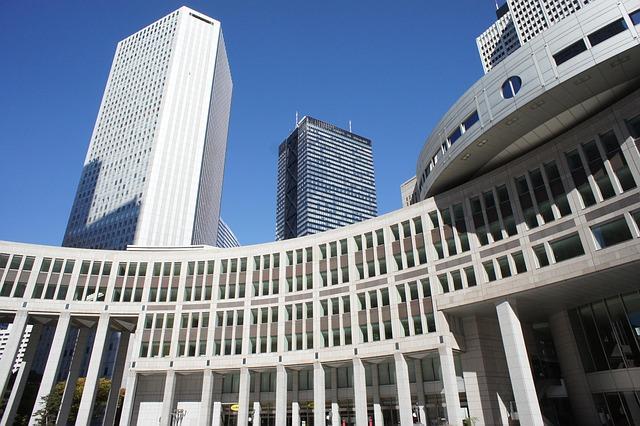
Education International has expressed strong condemnation following the recent decisions by the United States to withdraw from several key international organizations, conventions, and treaties. The global federation of teachers and education staff warns that such moves jeopardize international cooperation and undermine efforts to promote education rights worldwide. This development has sparked widespread concern among educators and policymakers who emphasize the critical role of multilateral agreements in sustaining global educational standards and collaboration.
Education International Raises Alarm Over U.S. Retreat from Global Cooperation
Education International has expressed growing concern regarding recent U.S. decisions to pull back from key international organisations, conventions, and treaties. This retreat is seen as a significant setback to global educational collaboration and undermines efforts to promote equitable access to quality education worldwide. The withdrawal hampers meaningful dialogue on solving cross-border challenges such as teacher mobility, student exchange programs, and the establishment of shared educational standards.
Advocates warn that this shift risks isolating the U.S. from critical frameworks that foster cooperative policies on education and human rights. They emphasize the essential role of global partnerships in tackling:
- Teacher protection and professional development;
- Inclusive education initiatives;
- Combating educational inequities;
- Consolidating global responses to educational crises.
| International Body | U.S. Status | Impact on Education |
|---|---|---|
| UNESCO | Withdrawal confirmed | Reduced global educational cooperation |
| Global Education Monitoring Report | Limited involvement | Decreased data sharing on education progress |
| Convention on the Rights of the Child | Not ratified | Challenges in securing child education rights |
Impact on International Education Standards and Teacher Collaboration
U.S. disengagement from key international frameworks casts a long shadow over global education benchmarks. The withdrawal disrupts ongoing efforts to harmonize educational standards, limiting student mobility and reducing access to shared best practices. Countries rely heavily on these cooperative frameworks to maintain quality assurance, equity, and innovation in their curricula. Without U.S. participation, the global dialogue on educational excellence risks fragmentation, potentially lowering standards and widening disparities between nations.
Equally concerning is the setback to teacher collaboration—an essential pillar of international education development. Educators benefit from cross-border exchanges, professional development opportunities, and joint research initiatives facilitated by multilateral agreements. The U.S. pullback undermines these vital networks, impeding knowledge transfer and weakening global solidarity among teaching professionals. The loss also affects emerging economies, where collaborative projects have proven crucial in building local capacity and advancing pedagogical quality.
- Diminished quality assurance measures across borders
- Reduced student exchange and international mobility
- Disruption of joint teacher training and development programs
- Weakened global research partnerships in education
| Area of Impact | Short-term Effect | Long-term Risk |
|---|---|---|
| Educational Standards | Inconsistent benchmarks | Global fragmentation |
| Teacher Collaboration | Fewer exchange programs | Weakened professional networks |
| Student Opportunities | Limited access abroad | Reduced global competency |
Calls for Renewed Commitment to Multilateral Agreements and Educational Equity
In light of recent developments, Education International emphasizes the urgent need for global cooperation through multilateral agreements to safeguard educational equity. The withdrawal from pivotal international organisations and treaties undermines the collective efforts to promote equal access to quality education worldwide. Experts and educational leaders urge governments to reaffirm their dedication to these frameworks, highlighting that cooperation beyond borders is vital for addressing disparities and fostering inclusive learning environments.
Key areas demanding reinvigoration include:
- Protection of educators’ rights to ensure safe and fair working conditions globally.
- Promotion of inclusive curricula that reflect diverse cultures and histories.
- Strengthening international monitoring mechanisms to uphold commitments and identify gaps in implementation.
| Aspect | Current Challenge | Recommended Action |
|---|---|---|
| International Collaboration | Fractured cooperation among member states | Renew multilateral engagement initiatives |
| Educational Equity | Growing inequality in access and resources | Implement targeted equity-focused policies |
| Rights of Educators | Inconsistent protections worldwide | Standardize international labor rights agreements |
Strategies for Reengaging with Global Educational Frameworks and Partnerships
Reengaging with global educational frameworks requires a multifaceted approach that prioritizes collaboration, shared values, and commitment to quality education. Governments and educational stakeholders must actively participate in international forums to regain trust and influence within key organizations. This involves not only rejoining established conventions and treaties but also contributing to the evolution of these frameworks by incorporating diverse perspectives and addressing emergent challenges such as digital equity, climate education, and inclusive learning environments.
Effective strategies include:
- Strengthening multilateral partnerships: Building coalitions with nations and educational institutions committed to upholding international standards and human rights.
- Ensuring policy alignment: Harmonizing national education policies with global commitments to support sustainable development goals.
- Investing in capacity building: Enhancing teacher training, curriculum development, and infrastructure to meet global benchmarks.
- Engaging civil society: Involving educators, unions, and communities to create inclusive dialogue and accountability mechanisms.
| Focus Area | Key Action | Expected Outcome |
|---|---|---|
| Policy Collaboration | Regular participation in UN and UNESCO meetings | Renewed international trust and alignment |
| Capacity Development | Investment in teacher training programs | Improved quality of education |
| Community Engagement | Organizing public forums and consultations | Greater inclusivity and stakeholder buy-in |
The Way Forward
As Education International voices its strong condemnation of the U.S. withdrawal from key international organisations, conventions, and treaties, the global education community watches closely. The move raises pressing questions about the future of international collaboration and the shared commitment to advancing education rights worldwide. Stakeholders from educators to policymakers now face the challenge of navigating an increasingly fragmented international landscape, underscoring the critical need for renewed dialogue and cooperation in defense of global educational standards and equity.