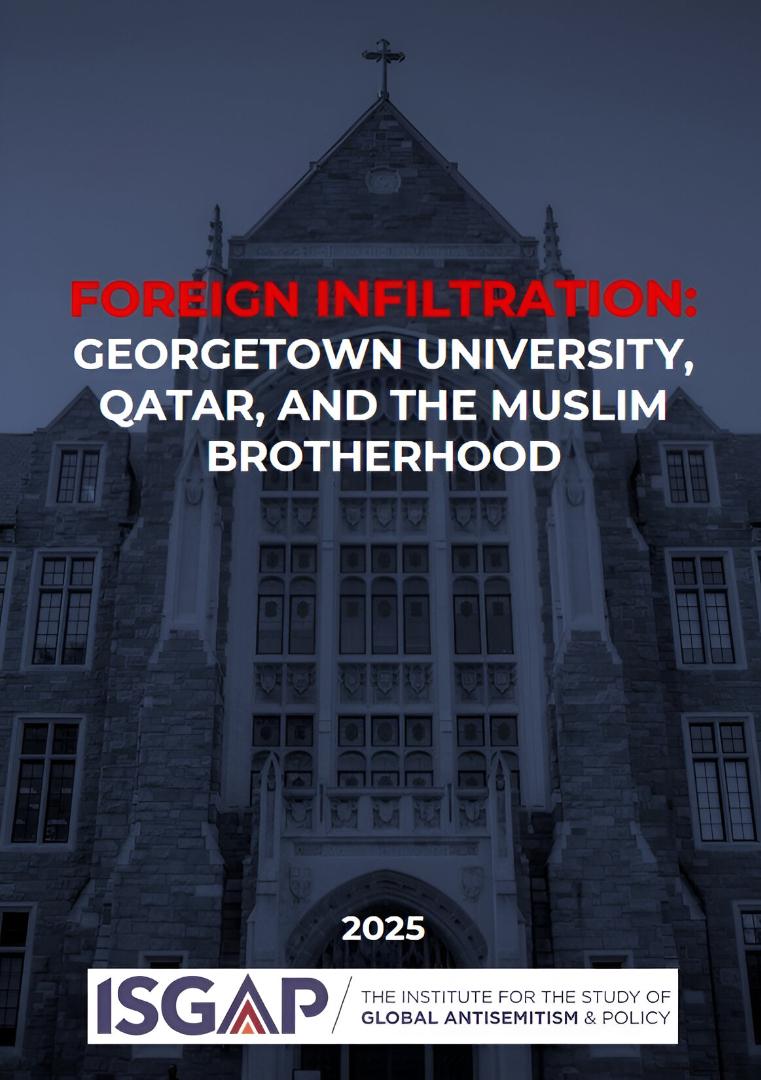
Follow the Money: Qatar’s Hidden Hand in U.S. Education – שומרים
In recent years, Qatar’s expanding influence in the United States has raised eyebrows across various sectors, but nowhere is its reach more quietly potent than in American education. From funding university programs to sponsoring research initiatives, Qatar’s financial involvement in U.S. educational institutions has become a subject of intense scrutiny. As concerns grow over foreign influence and national security, this investigation by שומרים unravels the complex web of Qatar’s investments, revealing how money shapes curricula, academic discourse, and the broader educational landscape. This deep dive explores the implications of Qatar’s hidden hand in shaping American minds and what it means for the future of independent scholarship.
Qatar’s Financial Influence in American Universities and Policy Circles
Over the past decade, Qatar has strategically deepened its footprint in American higher education by channeling significant investments and donations into leading universities. These financial ties often come laden with conditions that subtly steer research agendas, curriculum development, and even public discourse on Middle Eastern affairs. Among the most notable recipients is Georgetown University’s Qatar campus, which, beyond academic collaboration, serves as a hub for promoting Qatar’s geopolitical narratives. Such funding creates a complex web where academic independence and state interests intersect, raising questions about the influence exerted behind campus walls.
Beyond academia, Qatar’s reach extends into prominent U.S. policy think tanks and media platforms, leveraging financial support to shape perspectives on foreign policy and global energy markets. This dual approach—nurturing educational initiatives while engaging policy circles—enables Qatar to project soft power that transcends traditional diplomacy. The following table summarizes key areas influenced through financial channels:
| Sector | Type of Influence | Examples |
|---|---|---|
| Universities | Funding research, scholarships, campus centers |
|
| Think Tanks | Grants for policy studies |
|
| Media | Sponsorships and partnerships |
|
Critics argue that such intertwined financial relationships risk compromising the objectivity of educational and policy analysis, while proponents maintain these investments foster cross-cultural dialogue and development. Regardless of perspective, Qatar’s calculated financial engagement undeniably shapes narratives and decisions that resonate far beyond its borders.
Uncovering the Networks Behind Qatar’s Education Funding in the United States
Behind the growing presence of Qatar-sponsored programs and scholarships in American universities lies a complex web of intermediaries and financial conduits that have largely escaped public scrutiny. Charitable foundations tied to the Qatari royal family act as major funding vehicles, channeling millions of dollars annually into select academic institutions and research initiatives. These investments often align with Qatar’s broader geopolitical strategy, promoting cultural diplomacy while subtly influencing academic discourses related to the Middle East.
The network extends beyond direct funding and includes partnerships with think tanks, student organizations, and cultural centers that serve as soft power instruments on U.S. campuses. Below is a breakdown of key players and their approximate annual contributions, illustrating the scale and diversity of Qatar’s educational investments in the United States:
| Organization | Type | Estimated Annual Funding |
|---|---|---|
| Qatar Foundation | Scholarships & Grants | $15M+ |
| Al Jazeera Media Institute | Research & Media Studies | $5M |
| Doha Cultural Center for Arab Studies | Academic Collaboration | $3M |
| Qatar-U.S. Friendship Trust | Student Exchange Programs | $2M |
- Transparency concerns: Many funding streams lack detailed disclosure, complicating efforts to track influence.
- Strategic focus: Emphasis on programs advancing Middle Eastern studies and media training.
- Long-term impact: Sustained investments aim to shape narratives and create networks beneficial to Qatar’s interests.
Implications for Academic Independence and National Security Concerns
Financial contributions from Qatar to U.S. universities raise critical questions about the autonomy of academic institutions. When funding streams originate from foreign governments with distinct geopolitical agendas, the potential for subtle influence over curricula, research priorities, and faculty appointments becomes a pressing concern. This financial reliance can unintentionally steer universities toward aligning with the interests of donors, which threatens to undermine the core values of independent scholarship and intellectual freedom. For educators and policymakers, distinguishing between support that enriches knowledge and funding that imposes external constraints is vital to maintaining institutional integrity.
Moreover, the national security implications of such relationships cannot be overstated. Foreign investments in strategic academic fields like technology, defense studies, and international relations reveal clear vectors for possible influence or espionage. The following table highlights key areas susceptible to external interference, calling for enhanced oversight and transparency:
| Academic Field | Potential National Security Risks | Examples of Concern |
|---|---|---|
| Cybersecurity | Technology transfer, data breaches | Unauthorized research collaboration |
| Middle Eastern Studies | Ideological influence, biased curricula | Propaganda or sanitized narratives |
| Engineering | Military technology leakage | Dual-use research funding |
- Transparency initiatives must be strengthened to disclose the extent of foreign funding.
- Robust regulatory frameworks are essential for monitoring potential security risks while safeguarding academic freedom.
- Collaborative vigilance between universities and government agencies can mitigate hidden influence without stifling global academic exchange.
Strategies for Transparency and Strengthening Oversight in Foreign Educational Investments
Enhancing transparency in foreign educational investments demands a multifaceted approach that transcends basic financial disclosures. Lawmakers and regulators must introduce comprehensive reporting standards that compel institutions to reveal the sources, scale, and intended use of international funds. This can be paired with the establishment of an independent watchdog equipped with advanced data analytics capabilities to monitor and flag irregularities swiftly. Equally important is the promotion of public-accessible databases, enabling stakeholders—parents, educators, policymakers—to trace foreign capital flows and assess influence patterns on curriculum development and governance structures.
To strengthen oversight, policymakers should consider mandatory due diligence protocols that assess both the geopolitical implications and educational impacts of major foreign investments before approval. Critical components of such mechanisms include:
- Regular audits conducted by independent third parties
- Disclosure of any governmental affiliations or hidden ownership in investment entities
- Clear criteria limiting investments that could compromise academic freedom or institutional autonomy
- Periodic reviews of affected institutions’ policies on curriculum and faculty hiring to detect undue influence
| Oversight Component | Purpose | Key Benefit |
|---|---|---|
| Independent Watchdog | Monitor and analyze funding flows | Early detection of covert influence |
| Mandatory Due Diligence | Evaluate geopolitical risks pre-investment | Safeguards institutional autonomy |
| Public Databases | Provide transparency for stakeholders | Enhances accountability and public trust |
To Conclude
As scrutiny intensifies over foreign influence in American institutions, the revelations about Qatar’s financial involvement in U.S. education underscore the growing complexity of global geopolitics playing out on domestic soil. While educational partnerships can foster valuable exchange, they also raise pressing questions about transparency, oversight, and the potential shaping of narratives within classrooms and campuses. Moving forward, policymakers, educators, and the public must remain vigilant to ensure that the pursuit of knowledge remains independent and free from covert agendas. Only through informed debate and rigorous accountability can the integrity of U.S. education be preserved in an increasingly interconnected world.