


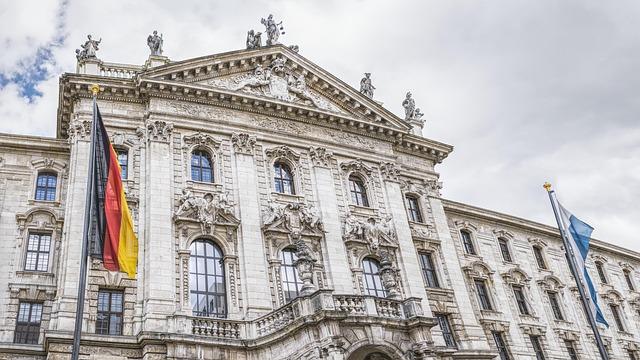
A federal judge has issued a ruling blocking Immigration and Customs Enforcement (ICE) agents from making arrests at U.S. courthouses, delivering a significant legal setback to the agency’s enforcement tactics. The decision, reported by USA Today, underscores growing concerns about the impact of immigration enforcement on access to justice and the safety of individuals attending court proceedings. This development has sparked debate among legal experts, immigrant advocates, and government officials over the balance between law enforcement authority and the rights of courthouse visitors.
Federal Judge Issues Nationwide Injunction Preventing ICE Courthouse Arrests
In a landmark decision, a federal judge has issued a nationwide injunction prohibiting U.S. Immigration and Customs Enforcement (ICE) agents from conducting arrests at courthouses across the country. The ruling emphasizes the need to preserve the integrity of the judicial system and protect individuals attending court proceedings from fear and intimidation. The court noted that such arrests can undermine public confidence and discourage witnesses, victims, and defendants from participating in the justice process.
Key points highlighted by the judge include:
- Protection of the court environment: Ensuring courthouses remain safe and accessible spaces for all parties involved.
- Upholding due process: Preventing ICE from exploiting the courthouse setting to conduct surprise detentions.
- Nationwide scope: The injunction applies uniformly in all states and territories.
| Aspect | Implication |
|---|---|
| Arrest Locations | Prohibited at courthouses nationwide |
| Enforcement Bodies | Applies to all ICE agents |
| Scope | Federal and state courthouses |
| Effective Date | Immediately upon ruling |
Legal Experts Weigh In on Impact for Immigrant Communities and Court Proceedings
Reactions from Advocacy Groups and Law Enforcement on the Ruling
Advocacy groups have largely welcomed the ruling, viewing it as a critical step toward protecting vulnerable communities from intimidation and potential abuses at court facilities. Organizations such as the National Immigrant Justice Center and the ACLU highlighted the ruling’s alignment with constitutional protections and the importance of maintaining safe access to justice. They argue that ICE arrests at courthouses have historically deterred victims and witnesses from seeking legal remedies, undermining the judicial process itself. In their statements, these groups emphasized the need for continued vigilance to safeguard civil liberties in the face of aggressive immigration enforcement tactics.
- Condemnation of ICE courthouse arrests as deterrents to justice
- Calls for expanded legal protections for immigrant communities
- Advocacy for more transparent immigration enforcement policies
On the other side, law enforcement agencies and officials expressed mixed reactions. Some local sheriffs and ICE representatives argued that courthouse arrests are a necessary tool to enforce immigration laws effectively and maintain community safety. However, others acknowledged the potential chilling effect these arrests have on public trust and cooperation with law enforcement, especially among immigrant populations. This division underscores ongoing tensions over how best to balance immigration enforcement priorities with preserving public confidence in the justice system.
| Stakeholder | Key Concern | Statement Highlight |
|---|---|---|
| Advocacy Groups | Protect vulnerable individuals | “Ensure safe access to courts” |
| Local Law Enforcement | Effective immigration enforcement | “Necessary for community safety” |
| ICE Officials | Uphold federal laws | “Balancing enforcement with trust” |
Recommendations for Policymakers to Address Immigration Enforcement and Public Safety Concerns
To effectively reconcile the enforcement of immigration laws with the imperative of maintaining public safety, policymakers must prioritize strategies that foster trust between immigrant communities and law enforcement agencies. Implementing clear guidelines that prohibit the presence of ICE agents at sensitive locations like courthouses can safeguard the integrity of the justice system while ensuring that victims and witnesses feel secure in reporting crimes. Emphasizing community policing efforts and investing in culturally competent training for officers will also contribute to more equitable and humane enforcement practices.
Additionally, policymakers should consider:
- Establishing independent oversight committees to review ICE operations and safeguard civil liberties in public spaces.
- Promoting inter-agency communication to balance immigration enforcement with local law enforcement priorities.
- Backing legislative reforms that clearly define boundaries to prevent ICE from conducting arrests in locations that could deter access to essential services and justice.
The table below summarizes core policy actions and their intended benefits:
| Policy Action | Public Safety Benefit |
|---|---|
| Restrict ICE courthouse arrests | Improves trust in judicial system |
| Community policing investments | Enhances cooperation with law enforcement |
| Oversight committees | Ensures accountability and transparency |
Concluding Remarks
The recent federal ruling barring ICE from conducting arrests at U.S. courthouses marks a significant development in the ongoing debate over immigration enforcement and access to the judicial system. As the legal community and immigrant advocates weigh the implications, this decision highlights the tensions between public safety priorities and the rights of individuals seeking justice. Moving forward, the impact of the injunction will continue to be closely monitored by stakeholders across the country, shaping the future landscape of immigration policy and courthouse security.



Legal experts highlight that the ruling will significantly ease fears among immigrant communities hesitant to seek justice or participate in court proceedings due to potential ICE arrests. Immigration attorneys emphasize that this decision promotes access to justice, ensuring that courts remain safe spaces where individuals can testify, report crimes, or handle civil matters without the looming threat of detention. Advocates point out that the ruling could set a precedent, encouraging other jurisdictions to adopt similar protections to bolster community trust in the legal system.
However, some experts caution that the ruling’s impact might be limited if not uniformly enforced across all states. The varying responses from different court systems may create a patchwork of protections, leading to inconsistent experiences for immigrant litigants. Below is a summary of key perspectives shared by legal professionals on the ruling’s implications: