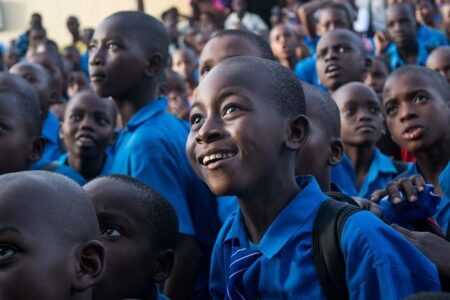
Human Rights Watch has called on the United States and Israel to urgently investigate a recent attack on a school in Iran, labeling the incident a potential war crime. The international watchdog highlighted the devastating impact on civilians and emphasized the need for accountability in line with international humanitarian law. This development adds fresh urgency to ongoing concerns over the escalating violence and its toll on innocent lives in the region.
US and Israel Urged to Launch Immediate War Crime Investigation into Iran School Attack
Human Rights Watch has called on the governments of the United States and Israel to initiate an immediate, independent investigation into the recent attack on a school in Iran, which has resulted in numerous casualties. The organization labeled the assault as a potential war crime under international law, stressing the importance of accountability for protecting innocent civilians, especially children, in conflict zones. The attack has sparked widespread condemnation, with eyewitness reports and satellite imagery suggesting the use of heavy weaponry against an educational facility.
Key points underscored by Human Rights Watch include:
- Verification of evidence: Collecting impartial data and testimonies to establish the nature and circumstances of the strike.
- International legal framework: Reference to Geneva Conventions protecting civilians and prohibiting attacks on schools.
- Pressure on state actors: Urgent diplomatic engagement to prevent further escalations and ensure justice.
| Aspect | Details |
|---|---|
| Location | Southwestern Iran |
| Civilian Impact | Over 30 students and teachers affected |
| Investigation Demand | Independent international inquiry |
Human Rights Watch Presents Evidence Highlighting Violations of International Humanitarian Law
Human Rights Watch has released new evidence documenting the devastating impact of attacks on educational institutions in conflict zones. The report focuses on a recent strike on a school in Iran, highlighting clear breaches of international humanitarian law. The organization calls on authorities in the US and Israel to initiate immediate, transparent investigations, emphasizing that attacks targeting civilians and infrastructure essential for education constitute potential war crimes.
The findings include:
- Eyewitness accounts detailing the timing and nature of the airstrike, which occurred during school hours.
- Satellite imagery confirming extensive damage to multiple buildings, including classrooms and playground areas.
- Testimonies from survivors describing disregard for civilian safety and warnings.
| Incident Date | Location | Affected Parties | Human Rights Concern |
|---|---|---|---|
| April 9, 2024 | Kermanshah | Students, Teachers, Families | Civilian casualties and destruction of educational facilities |
Calls for Accountability Stress Need for Transparent and Impartial Legal Proceedings
The gravity of the attack on the school in Iran demands an urgent and thorough investigation. Human Rights Watch and various international bodies emphasize the necessity for transparent legal proceedings that can unequivocally establish the facts and hold perpetrators accountable. Without impartial scrutiny, justice remains elusive, potentially emboldening further violations and eroding international norms. Accountability must be prioritized to reaffirm the global commitment to protecting civilians, especially children, in conflict zones.
Key elements essential for credible investigations include:
- Independent oversight by international legal experts
- Access to on-the-ground evidence and witnesses without interference
- Timely publication of findings to maintain public trust
- Mechanisms to sanction individuals or groups responsible
| Priority | Requirement | Impact on Justice |
|---|---|---|
| 1 | Impartial Legal Teams | Ensures fairness and credibility |
| 2 | Full Evidence Access | Provides factual basis for rulings |
| 3 | Transparency in Proceedings | Builds public confidence globally |
| 4 | International Cooperation | Strengthens enforcement capabilities |
Recommendations Focus on Strengthening Protections for Civilians in Conflict Zones
In response to the devastating school attack allegedly carried out by Iranian-backed forces, Human Rights Watch emphasizes the urgent need for comprehensive measures that enhance civilian protections across active conflict zones. Key recommendations focus on pragmatic enforcement mechanisms that hold violators accountable while deterring future indiscriminate assaults on non-combatants. This includes the establishment of independent investigative bodies tasked with promptly examining alleged war crimes. The report also advocates for expanded international collaboration to monitor compliance with international humanitarian law, particularly concerning the safeguarding of educational and medical institutions.
Critical recommendations outlined include:
- Strengthening real-time monitoring and reporting of attacks against civilians
- Implementing stricter sanctions on actors responsible for targeting protected sites like schools and hospitals
- Ensuring rapid humanitarian access and protection for affected communities
- Enhancing training programs on the laws of armed conflict for all military and paramilitary personnel
| Measure | Immediate Impact | Long-Term Goal |
|---|---|---|
| Independent Investigations | Swift accountability | Deterrence of war crimes |
| International Sanctions | Pressure on perpetrators | Behavioral change |
| Enhanced Training | Better awareness of laws | Reduced civilian harm |
To Wrap It Up
As calls for accountability intensify, Human Rights Watch’s appeal for the US and Israel to investigate the Iran school attack as a war crime underscores the urgent need for justice and transparency in conflict zones. With mounting evidence and international pressure, the coming weeks will be critical in determining whether these grave allegations prompt a thorough inquiry and meaningful action. The global community watches closely, demanding that those responsible for targeting civilians, especially children, be held to account under international law.