The United States has come under intense scrutiny following recent airstrikes on a key Yemeni port, actions that Human Rights Watch labels as apparent war crimes. The strikes, which targeted vital infrastructure in a region already devastated by years of conflict, raise serious questions about compliance with international humanitarian law. As the conflict in Yemen continues to exact a devastating toll on civilians, this latest development underscores the growing concerns over foreign military involvement and the urgent need for accountability.
Yemen Port Attacks Raise Grave Concerns Over Civilian Safety
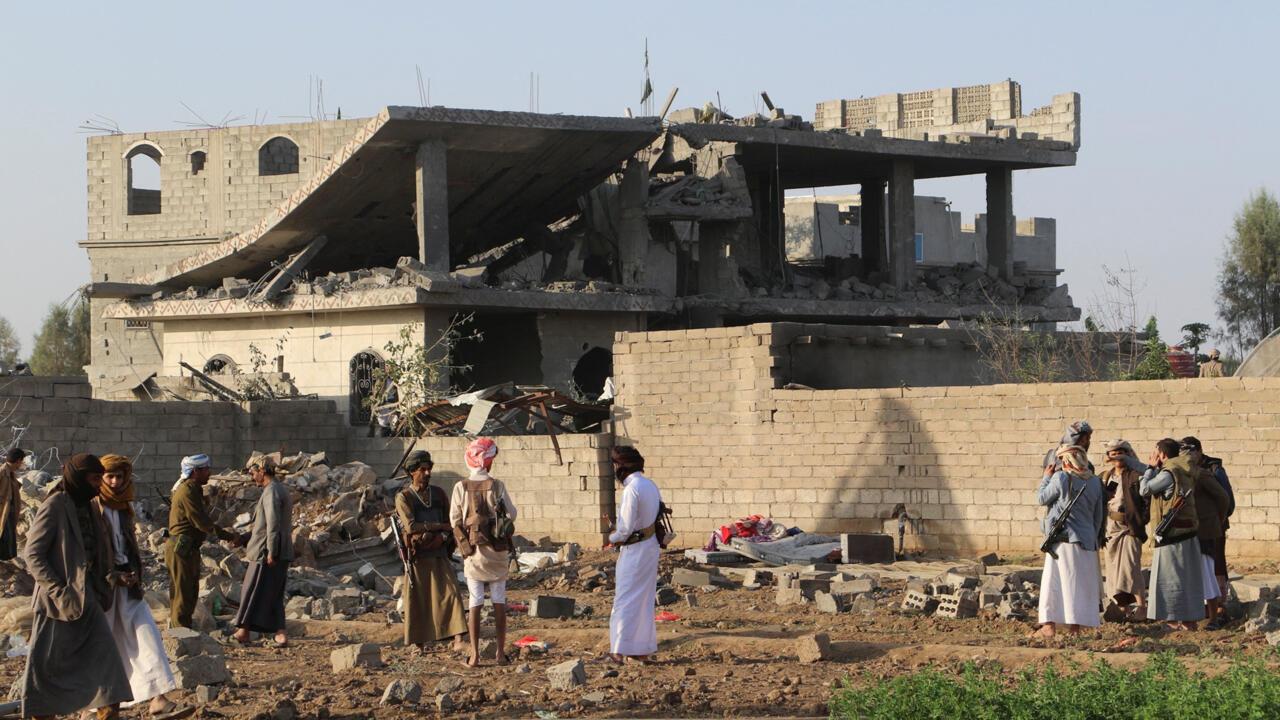
Reports from Human Rights Watch have highlighted deeply troubling implications following recent military actions targeting Yemen’s key port facilities. The airstrikes have not only severely damaged critical infrastructure but have also resulted in significant civilian casualties, amplifying fears of widespread humanitarian disaster. Eyewitness accounts and satellite imagery reveal the extent of destruction, raising questions about adherence to international humanitarian law and the protection of non-combatants in conflict zones.
International observers and aid organizations warn that disrupting port operations exacerbates already critical shortages of food, fuel, and medical supplies essential for millions. The targeted locations serve as lifelines for civilian survival, making the attacks potentially qualify as war crimes under global legal frameworks. Key concerns include:
- Blocked humanitarian aid deliveries causing extended suffering
- Increased displacement as civilians flee escalating violence
- Long-term damage jeopardizing the region’s recovery efforts
| Impact | Estimated Affected Population |
|---|---|
| Food Insecurity | Over 5 million |
| Fuel Shortages | Approximately 3 million |
| Medical Supply Interruptions | Nearly 2 million |
Calls for urgent international action are mounting, urging all parties to respect humanitarian corridors and ensure civilian protection amidst the ongoing conflict. The consequences of unchecked port attacks extend far beyond immediate destruction, threatening to deepen Yemen’s humanitarian crisis for years to come.
Human Rights Watch Accuses US of Violating International Humanitarian Law
Human Rights Watch has strongly condemned recent US military actions targeting Yemen’s critical port facilities, asserting these strikes constitute a clear breach of international humanitarian law. The organization emphasizes that these attacks have severely disrupted vital humanitarian aid flows, exacerbating the already dire situation for millions of Yemenis dependent on the port for food, medicine, and essential supplies. According to the report, the strikes display a blatant disregard for the principle of distinction between military and civilian objects, raising alarms about potential violations classified as war crimes.
Key concerns highlighted by Human Rights Watch include:
- Repeated targeting of civilian infrastructure without adequate warnings.
- Failure to take feasible precautions to minimize civilian harm.
- Disproportionate collateral damage relative to the anticipated military advantage.
A summary table of reported impact on port operations and humanitarian delivery is presented below:
| Impact Area | Pre-strike Capacity | Post-strike Capacity | Humanitarian Consequences |
|---|---|---|---|
| Cargo Throughput | 80,000 tons/month | 30,000 tons/month | Severe shortages in food and medicine |
| Docking Operations | 15 ships/week | 5 ships/week | Delays in aid deliveries |
| Personnel Safety | Stable | High risk | Increased casualties among civilian workers |
Impact of Strikes on Yemen’s Humanitarian Aid and Civil Infrastructure
Repeated strikes targeting Yemen’s critical port infrastructure have severely disrupted the delivery of humanitarian aid, which is vital for millions facing famine and disease. These attacks have not only damaged key facilities but have also sparked delays in cargo clearance, forcing humanitarian agencies to reroute supplies through less efficient corridors. The resulting bottlenecks have led to critical shortages of food, medicine, and clean water, compounding the already dire crisis caused by years of conflict.
Key consequences include:
- Widespread damage to warehouses and dock equipment, crippling the flow of aid shipments
- Increased risk of disease outbreaks due to delayed delivery of medical supplies
- Displacement of port workers and damage to essential transport routes
| Infrastructure Component | Damage Level | Impact on Aid Delivery |
|---|---|---|
| Cargo Terminals | Severe | Disabled rapid offloading of shipments |
| Storage Warehouses | Moderate | Loss and spoilage of relief materials |
| Road Access | Partial | Impeded transport to urban centers |
Calls for Accountability and Immediate Halt to Targeting of Civilian Areas
Human Rights Watch has issued a scathing condemnation following the US airstrike on a Yemeni port, describing the act as an apparent war crime. The attack inflicted significant civilian casualties and crippled vital humanitarian infrastructure, prompting urgent demands from international observers and local organizations for a halt on all military operations that endanger non-combatants. Activists emphasize the necessity of transparent investigations to ensure those responsible face legal accountability, underscoring that impunity only perpetuates the suffering in the region.
Calls for action now center on immediate measures to protect civilian zones, including:
- Strict adherence to international humanitarian law
- Establishment of independent fact-finding missions
- Implementation of ceasefire agreements around populated areas
- Unrestricted access for aid organizations
Without decisive intervention, experts warn, the cycle of violence will deepen, with vulnerable populations continuing to bear the brunt of escalating hostilities.
| Key Demands | Stakeholders | Expected Outcomes |
|---|---|---|
| Immediate ceasefire near civilians | UN, Human Rights Watch | Reduced civilian casualties |
| Investigate potential war crimes | International Criminal Court | Justice and deterrence |
| Ensured humanitarian access | NGOs, UN agencies | Improved aid delivery |
To Wrap It Up
The recent US strikes on Yemen’s port, as highlighted by Human Rights Watch, raise serious concerns about potential violations of international law and the ongoing humanitarian crisis in the region. As the conflict continues to escalate, calls for accountability and the protection of civilian infrastructure grow louder. The international community faces mounting pressure to address these alleged war crimes and to work towards a resolution that prioritizes the safety and rights of Yemen’s vulnerable population.