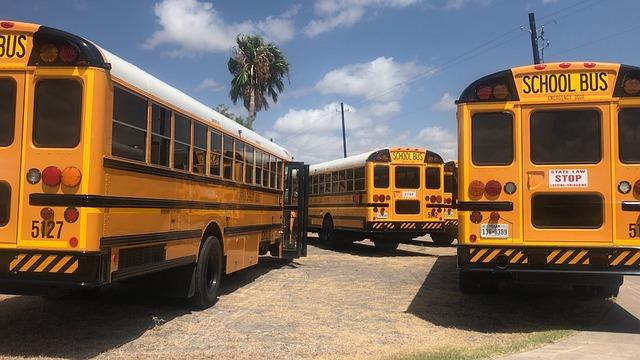
Tennessee’s public school funding has plummeted to the lowest level in the nation, raising serious concerns about the future of education in the state. According to recent data, Tennessee now ranks dead last among all U.S. states in per-pupil funding, a development that threatens to undermine the quality of instruction and resources available to students. This alarming trend has sparked debate among educators, policymakers, and parents as the state grapples with budget constraints and the growing needs of its public schools.
Tennessee Public School Funding Falls to Nationwide Low
Recent data reveals a concerning trend for Tennessee’s education system, as the state now ranks lowest in the nation for public school funding. After years of budget cuts and reallocations, many districts are struggling to maintain quality education, with crucial programs facing reductions or elimination. Educators and administrators warn that this underfunding threatens to widen educational disparities, particularly impacting under-resourced communities across Tennessee.
Key factors contributing to the decline include:
- Reduced state budget allocations despite growing student populations
- Increased reliance on local taxes, which varies significantly by district wealth
- Inflation outpacing increases in funding, eroding purchasing power
To illustrate the funding shortfall, the table below compares Tennessee’s per-pupil spending to the national average:
| Category | Tennessee | National Average |
|---|---|---|
| Per-Pupil Funding | $8,200 | $13,000 |
| Teacher Salary Avg. | $49,000 | $61,000 |
| Student-Teacher Ratio | 17:1 | 15:1 |
Impact of Funding Cuts on Student Performance and Resources
The significant reduction in funding has led to glaring disparities in classroom experiences across Tennessee. Schools are grappling with stretched budgets that compromise essential resources, including textbooks, technology, and extracurricular programs. Teachers report larger class sizes and limited access to professional development, which collectively dampen the quality of education. Many schools have been forced to postpone facility upgrades, affecting the learning environment and student safety.
Academic performance metrics reveal a troubling correlation with budget constraints. Recent data highlights a decline in standardized test scores and graduation rates in districts hardest hit by funding cuts. The table below summarizes key performance indicators from affected districts compared to state averages:
| District | Graduation Rate | Average Test Scores | Student-Teacher Ratio |
|---|---|---|---|
| East Nashville | 78% | 62% | 25:1 |
| Memphis Central | 74% | 58% | 27:1 |
| Knoxville South | 81% | 65% | 24:1 |
| State Average | 85% | 70% | 20:1 |
- Reduced extracurricular activities limit student engagement beyond the classroom.
- Fewer specialized staff such as counselors and special education teachers strain support services.
- Deferred maintenance and outdated materials create an inequitable learning environment.
Challenges Faced by Educators and School Administrators
Educators and school administrators in Tennessee are grappling with multiple, compounding obstacles as public school funding plummets to the lowest in the nation. This severe budget contraction has forced schools to stretch already limited resources thinner, impacting teacher salaries, classroom materials, and the availability of support staff. Many educators report increased burnout and frustration, as they strive to maintain quality instruction amidst shrinking budgets and rising operational costs.
Additionally, administrators face tough decisions on program cuts and staffing adjustments, often sparking tension within school communities. The challenges extend beyond finances to encompass:
- Maintaining student engagement with fewer extracurricular opportunities
- Addressing growing class sizes due to hiring freezes
- Implementing new state mandates without adequate funding support
- Navigating disparities between urban and rural school needs
| Challenge | Impact | Administrator Response |
|---|---|---|
| Funding Cuts | Reduced instructional materials | Budget reallocation |
| Teacher Retention | Higher turnover rates | Increased recruitment efforts |
| Class Size | Overcrowded classrooms | Hiring freezes |
| Program Elimination | Loss of extracurriculars | Community fundraising |
Policy Recommendations for Restoring and Enhancing School Budgets
To address the critical decline in funding, state lawmakers must prioritize a multipronged approach that bolsters financial support for Tennessee’s public schools. Increasing state revenue allocation based on student enrollment and regional cost-of-living differences stands as a foundational step. Policymakers are also urged to explore diversified funding streams, including targeted grants for technology upgrades and special education, ensuring that the most vulnerable students receive adequate resources. Additionally, maintaining transparency through annual reporting on budget impacts and outcomes will help rebuild trust with communities and stakeholders.
- Implement weighted funding formulas to better support schools with high poverty rates and special needs populations
- Expand public-private partnerships to unlock additional resources without increasing tax burdens
- Establish an independent commission to review and recommend sustainable funding models annually
Strategic reinvestment must also focus on empowering educators and improving infrastructure. Allocation for competitive teacher salaries and professional development can curb the ongoing educator shortage crisis that plagues the state. Moreover, funds dedicated to upgrading school facilities and classroom technology can create safe, 21st-century learning environments that foster student achievement. The following table outlines a proposed distribution strategy aimed at maximizing both educational quality and fiscal responsibility:
| Category | Percentage of New Funding | Focus Area |
|---|---|---|
| Teacher Salaries | 40% | Recruitment and Retention |
| Technology & Infrastructure | 35% | Modernization |
| Special Programs | 15% | At-risk and Gifted Students |
| Administrative Support | 10% | Efficiency Improvements |
To Conclude
As Tennessee’s public school funding falls to the lowest level in the nation, concerns mount over the long-term impact on educational quality and student outcomes. Lawmakers and community leaders face increasing pressure to revisit budget priorities to ensure that all Tennessee students have access to the resources they need. The coming months will be critical in determining whether the state can reverse this downward trend and uphold its commitment to public education.