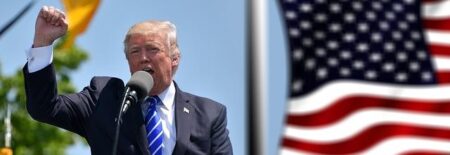
In the era of Donald Trump’s presidency, the Olympics have ceased to be the apolitical stage they once were for the United States. Traditionally viewed as a unifying global event that transcends national politics, the Games are now increasingly entangled with America’s domestic political divisions. As athletes, officials, and fans navigate this charged environment, the long-standing notion of the Olympics as neutral ground is being called into question, reflecting broader societal shifts under the Trump administration. This article explores how the intersection of sports and politics has evolved in recent years and what it means for the future of American participation in the Olympic movement.
Olympics as a Political Battleground in the Trump Era
Throughout the Trump administration, the Olympic Games have evolved into a hotbed for overt political messaging and contestation that extends far beyond athletic competition. No longer seen as a neutral arena, the Olympics have mirrored the heightened tensions within American society and its divisive political climate. From athletes using podium moments for protest to government officials leveraging the global spectacle to assert nationalistic agendas, the intersection between sport and politics has intensified dramatically. This shift reflects a broader trend where American identity and geopolitical narratives converge on the world’s most visible stage.
Several key dynamics illustrate this transformation:
- Politicization of athlete activism: Public displays of dissent related to social justice, immigration, and racial inequality have become prominent, often sparking polarized reactions.
- Government involvement: The Trump administration’s vocal support for controversial policies has seeped into Olympic discourse, influencing diplomatic relations with host nations.
- Media framing: Coverage frequently highlights ideological battles, with headlines more focused on political context than athletic achievement.
| Olympic Event | Political Incident | Impact |
|---|---|---|
| 2018 PyeongChang | US athletes’ public stance on immigration policies | Heightened domestic debate |
| 2020 Tokyo (held in 2021) | Controversial government statements on China | Diplomatic tensions escalated |
| 2022 Beijing | Calls for boycott over human rights concerns | Global polarization intensified |
Impact of Partisan Divides on Athletes and International Relations
Political polarization in the United States has spilled over into the Olympic arena, creating a complex environment where athletes are often caught in the crossfire of partisan battles. No longer insulated from national controversies, competitors face intense scrutiny not only for their performances but for their political affiliations and statements. This shift has led many athletes to become reluctant political symbols, their successes and failures interpreted through the prism of partisan agendas.
International relations within the Olympic context have also become strained, as the traditionally apolitical sporting event transforms into a battleground for ideological posturing. Key impacts include:
- Diplomatic tensions manifesting in boycotts or protests linked to political stances.
- Increased media spotlight on athlete activism, sometimes overshadowing athletic achievements.
- Fragmentation of international cooperation, undermining the spirit of unity the Games aim to promote.
| Aspect | Effect |
|---|---|
| Media Coverage | Focus on political statements over sportsmanship |
| Diplomatic Relations | Heightened tensions and occasional boycotts |
| Athlete Pressure | Forced to navigate political expectations |
The Role of Media in Shaping the Politicized Olympic Narrative
The media landscape today plays a pivotal role in transforming the Olympics from a global celebration of sport into a battleground for political debate, especially under the shadow of the Trump era. News outlets, both traditional and digital, amplify narratives that intertwine athletic achievements with the prevailing political climate. Instead of depicting the Games as a platform for unity and competition, coverage often highlights controversies surrounding nationalism, patriotism, and policy disagreements. This framing creates a charged atmosphere, where every medal won is scrutinized as either a political statement or a reflection of national identity.
Several factors contribute to this shift in media portrayal:
- Polarized reporting: Media outlets align their Olympic coverage with their political leanings, influencing public perception.
- Social media amplification: Instant, widespread sharing intensifies emotionally driven narrative framing.
- Government engagement: Political figures increasingly use the Games as platforms for messaging, further enriching media angles.
| Media Outlet | Political Leaning | Coverage Focus |
|---|---|---|
| NewsDaily | Conservative | National pride and policy defense |
| Global Wire | Liberal | Human rights and athlete activism |
| Centrist Press | Moderate | Balanced sports and political context |
Strategies for Restoring Olympic Neutrality Amidst Political Tensions
To reclaim the Olympics as a truly apolitical arena, stakeholders must embrace a multi-tiered approach that prioritizes transparency and inclusivity. Establishing an independent Olympic oversight body could serve as a critical step to mediate and depoliticize participation criteria, ensuring that athletes compete based on merit rather than geopolitical agendas. Equally essential is the cultivation of dialogue among nations before, during, and after the Games to minimize misunderstandings and reduce political weaponization of athletic accomplishments.
- Strict enforcement of policies limiting overt political demonstrations on Olympic grounds.
- International commissions focused on preemptively addressing political disputes related to the Games.
- Enhanced cultural exchange programs to foster mutual understanding among competitors and spectators.
| Strategy | Impact | Key Actor(s) |
|---|---|---|
| Independent Oversight Body | Neutral adjudication on participation issues | International Olympic Committee (IOC) |
| Political Neutrality Enforcement | Reduction in politicized protests | Host Nation, IOC |
| Cultural Exchange Initiatives | Improved athlete relations | National Olympic Committees |
Maintaining the Olympics as a neutral stage demands consistent commitment from governments and sporting organizations alike. One proposed solution involves revising the Olympic Charter to include more explicit language condemning the exploitation of the Games for political gain. Moreover, leveraging advanced media strategies can spotlight stories that emphasize athletic achievement and unity, diluting polarizing narratives. Such efforts could ultimately steer the Olympics back to being a platform where global camaraderie eclipses discord, even in politically charged times.
In Retrospect
As the world’s most prestigious sporting event continues to unfold, the Olympic Games have evolved from a symbol of global unity into a stage where political tensions, particularly those involving the United States, are increasingly on display. The Trump era has underscored how deeply intertwined sports and politics have become, challenging the longstanding notion of the Olympics as neutral ground. Moving forward, both athletes and policymakers will need to navigate this complex landscape, where national pride and political agendas often compete for the world’s attention.