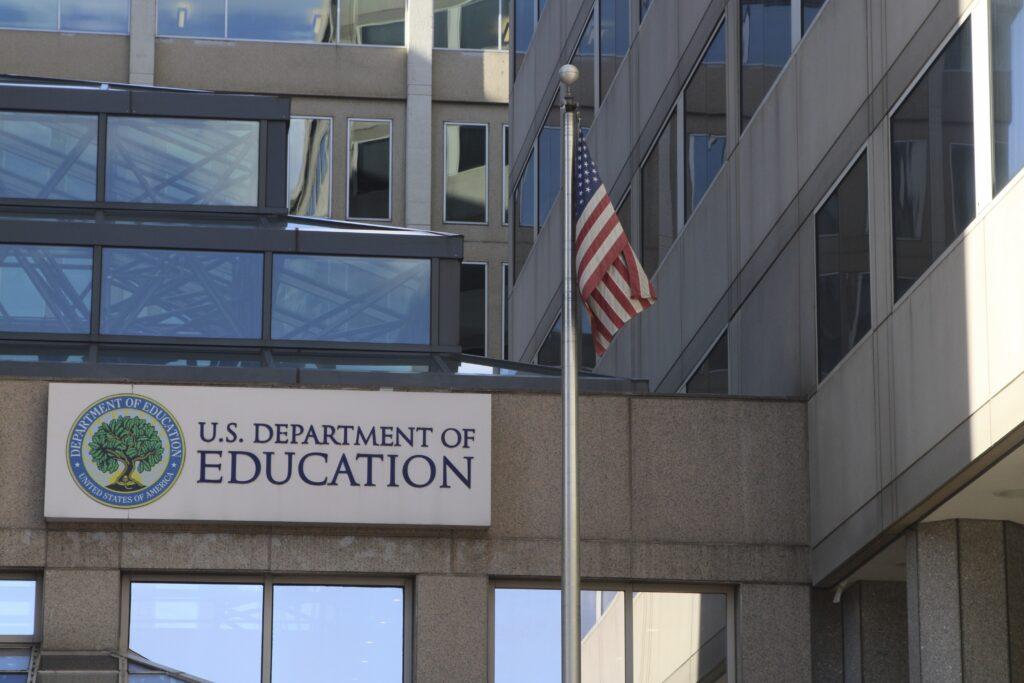
In a sharp political showdown, lawmakers from both sides of the aisle are clashing over the future of the U.S. Education Department. As debates intensify, conservatives push for significant reforms and even question the department’s necessity, while liberals defend its role as vital to maintaining national education standards. This escalating conflict highlights deep divisions over education policy and federal oversight, setting the stage for a contentious battle in Congress and across the nation.
Left and Right Divide Over Federal Education Department’s Role
Debate intensifies as the federal government’s role in education sparks divergent views from both political sides. Advocates on the left argue that a strong federal Education Department is essential for ensuring equal access and maintaining national standards across states. They emphasize the department’s role in addressing disparities, supporting underfunded schools, and protecting civil rights. Key priorities highlighted include:
- Equal funding allocation to minimize state-by-state gaps
- Enforcement of anti-discrimination laws in schools
- Support for special education and underserved communities
Conversely, conservative voices critique the federal Education Department as an overreach that infringes on local control and parental authority. They call for reducing federal involvement to empower states and school districts to tailor education to their communities’ needs. Their core arguments include:
- Decentralization of education policy to increase flexibility and innovation
- Limiting federal mandates that they claim cause bureaucratic red tape
- Prioritizing school choice to foster competition and improve quality
Impact of Education Department Policies on Local School Systems
Local school systems have found themselves at the crossroads of policy shifts driven by the Education Department, which often reflect broader political divides. Conservatives argue that federal mandates undermine local control and impose one-size-fits-all standards that do not account for community-specific needs. Meanwhile, progressive voices emphasize the department’s role in promoting equity, ensuring that underfunded schools receive much-needed support, and setting nationwide benchmarks for educational quality.
Key impacts on local schools include:
- Increased accountability measures linked to federal funding, raising performance expectations.
- Variations in curriculum adoption influenced by policy emphasis on STEM or vocational training.
- Disparities in resource allocation as a result of shifting federal priorities.
| Policy Area | Conservative View | Liberal View |
|---|---|---|
| Standardized Testing | Seen as overreach | Necessary for measuring equity |
| Federal Funding | Should prioritize efficiency | Must target disadvantaged districts |
| Curriculum Control | Best managed locally | Needs federal guidance for consistency |
Experts Weigh In on Federal vs State Control of Education
Leading voices from both sides of the educational spectrum have intensified the debate over whether the federal government should assert greater control or if states must retain primary authority over schooling standards. Proponents of federal involvement argue that national oversight ensures equity and consistency, preventing significant disparities in educational quality across state lines. They emphasize federal funding as a critical lever for driving reform and implementing nationwide programs, especially in underserved communities. Supporters also highlight the role of centralized research and data-sharing to inform policy decisions that benefit all students, regardless of geography.
Conversely, critics of federal oversight caution that top-down approaches risk stifling local innovation and responsiveness. Many educators and policymakers believe states are better suited to address unique demographic and cultural needs. They warn that a one-size-fits-all model could undermine parental choice and local accountability. As part of this perspective, a growing coalition advocates for decentralized decision-making, illustrating how tailored curricula and flexible standards can adapt more effectively to community expectations.
- Federal advocates: Equity, consistency, funding, nationwide reform
- State advocates: Innovation, local needs, flexibility, parental control
| Key Argument | Federal Supporters | State Supporters |
|---|---|---|
| Control | Centralized | Decentralized |
| Curriculum | Uniform Standards | Localized Adaptation |
| Funding Focus | Federal Grants | State Budgets |
| Accountability | National Metrics | Community-Based |
Policy Recommendations to Bridge Partisan Gaps in Education Reform
Bridging the partisan divide in education reform requires pragmatic strategies that resonate across ideological lines. Promoting local control while maintaining federal oversight can serve as a foundational approach, allowing states to tailor reforms to their unique communities while ensuring equity standards. Additionally, fostering bipartisan advisory panels consisting of educators, policymakers, and parents encourages collaboration and mutual understanding, leading to more inclusive policy outcomes. Funding mechanisms should be transparently indexed to performance and equity metrics, reducing suspicions about partisan bias in resource allocation.
Enhancing teacher support through incentives such as professional development and competitive salaries, agreed upon by both sides, can create common ground. Equally important is prioritizing transparency in curriculum choices with open public forums to address community concerns without politicization. Below is a summary of key bipartisan policy recommendations:
| Policy Focus | Republican Perspective | Democratic Perspective |
|---|---|---|
| Local vs Federal Control | Maximize state autonomy | Ensure federal equity oversight |
| Teacher Support | Merit-based incentives | Increased funding for training |
| Curriculum Transparency | Parental review rights | Inclusive, multicultural content |
| Funding Allocation | Accountability tied to outcomes | Equity-driven resource distribution |
Future Outlook
As the debate over the creation of a new Education Department intensifies, the divide between left and right remains stark. Advocates emphasize the potential for streamlined oversight and improved educational equity, while opponents warn of increased federal overreach and bureaucratic complications. With lawmakers deeply entrenched in their positions, the future of this proposal hangs in the balance, highlighting the broader ideological rift shaping policy decisions across the nation.