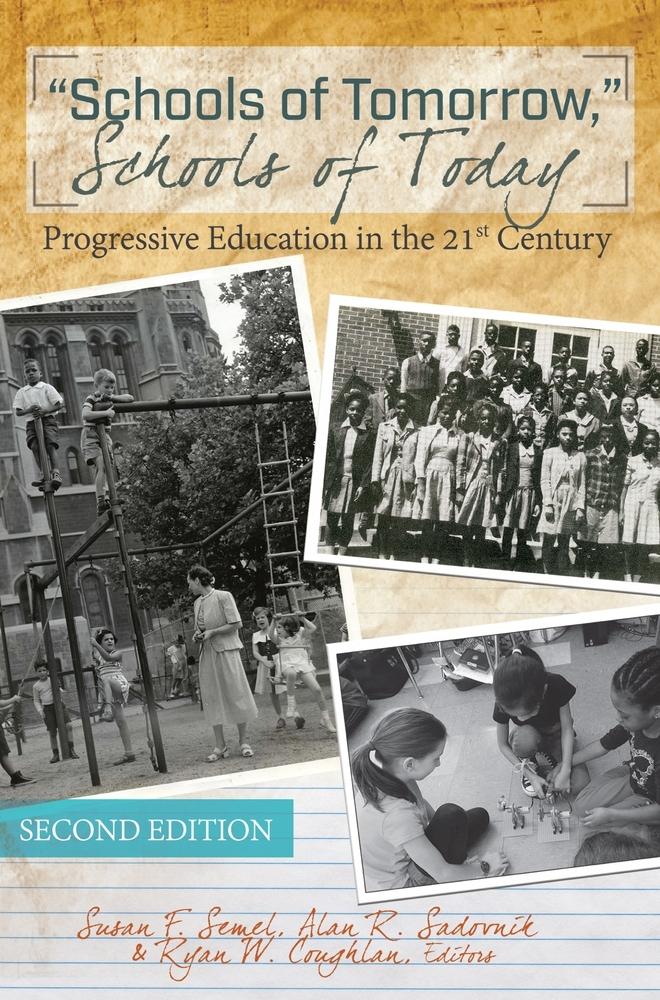
The Center for American Progress has unveiled a bold new framework aimed at transforming education in the 21st century. Focusing on equity, innovation, and accessibility, the progressive vision outlined in their latest report seeks to address longstanding challenges while preparing students for a rapidly evolving world. As policymakers and educators grapple with the demands of the digital age, this comprehensive plan offers a roadmap for creating an inclusive, forward-thinking education system that equips all learners with the skills needed to thrive in today’s economy.
Reimagining Curriculum to Foster Critical Thinking and Equity
In transforming education for a more just and innovative society, it is essential to shift away from rote memorization and instead cultivate environments where students actively engage in inquiry, analysis, and dialogue. This means integrating curricula that challenge learners to question assumptions, evaluate evidence, and consider diverse perspectives. Emphasizing interdisciplinary approaches and real-world problem-solving nurtures the skills necessary not only for academic success but also for civic participation and workforce adaptability.
Central to this evolution is the commitment to equity—ensuring that all students, regardless of background, have access to rich learning experiences that affirm their identities and potential. Strategies include:
- Incorporating culturally responsive materials that reflect a wide spectrum of histories and experiences.
- Providing differentiated instruction tailored to diverse learning styles and needs.
- Training educators to recognize and dismantle bias in teaching practices.
- Promoting collaborative learning that encourages empathy and mutual respect among students.
| Curriculum Element | Critical Thinking Focus | Equity Impact |
|---|---|---|
| Historical Studies | Analyzing multiple narratives | Amplifies marginalized voices |
| Science & Technology | Problem-solving with real data | Encourages diverse participation |
| Civics Education | Debate and ethical reasoning | Builds inclusive community engagement |
Expanding Access to Technology and Digital Literacy in Underserved Communities
Bridging the digital divide remains a critical priority in transforming education for the 21st century. Comprehensive initiatives aimed at increasing affordable broadband access and providing modern devices to underserved communities are essential for leveling the playing field. Investment in infrastructure alone is insufficient without parallel efforts to foster digital literacy through targeted training programs. These programs empower individuals—from students to adults—with the skills necessary to navigate and utilize technology effectively in academic, professional, and personal contexts.
Successful models emphasize collaboration between public institutions, private sector partners, and community organizations. These alliances facilitate resource sharing, mentorship opportunities, and culturally relevant content delivery tailored to local needs. Consider the following key components driving impactful change:
- Provision of subsidized internet and devices
- Community-based digital skills workshops
- Teacher training on integrating technology in classrooms
- Support for multilingual and accessible educational tools
| Strategy | Impact | Example Initiative |
|---|---|---|
| Device Distribution | Increased student engagement | Tech4All Program |
| Teacher Training | Enhanced digital curriculum delivery | Digital Educator Workshops |
| Community Partnerships | Broader outreach and sustainability | ConnectLocal Coalitions |
Empowering Educators Through Professional Development and Inclusive Practices
To truly transform education for today’s diverse classrooms, it is essential to focus on continuous professional development that equips educators with cutting-edge tools and methodologies. This approach ensures teachers are not only knowledgeable in subject content but also skilled in fostering inclusive environments where every student can thrive. Investments in culturally responsive teaching, trauma-informed practices, and equity-driven leadership are proving critical in bridging achievement gaps and promoting social-emotional well-being among learners.
Innovative training programs emphasize collaboration, reflective practice, and community engagement. Schools adopting these models report enhanced teacher efficacy and student engagement. Consider the key elements reshaping educator empowerment:
- Ongoing mentorship: Personalized guidance supporting reflective growth
- Inclusive curriculum design: Integrating diverse perspectives across subjects
- Data-driven instruction: Tailoring strategies to student needs based on performance analytics
- Accessibility tools: Leveraging technology to support varied learning styles
| Development Area | Focus | Impact |
|---|---|---|
| Culturally Responsive Teaching | Equity & Inclusion | Increased Student Engagement |
| Technology Integration | Personalized Learning | Improved Accessibility |
| Social-Emotional Learning | Emotional Support | Better Classroom Climate |
Prioritizing Mental Health and Wellbeing in Schools Across the Nation
National efforts to strengthen student mental health have taken center stage as evidence mounts linking wellness to academic success. Schools are no longer just centers for intellectual development but are evolving into holistic environments where emotional and psychological support are embedded into the daily routine. This transformation is propelled by increased funding for counselors, more comprehensive training for educators in mental health first aid, and the integration of social-emotional learning (SEL) curricula that empower students with coping mechanisms well beyond the classroom.
Key initiatives gaining traction include:
- Establishing school-based mental health clinics with professional therapists on-site
- Mandatory mental health screenings during school enrollment periods
- Creating peer-to-peer support networks to foster community resilience
- Implementing mindfulness and stress reduction programs tailored for all grade levels
| State | Increase in Mental Health Funding (%) | New Counselor Hiring Rate |
|---|---|---|
| California | 25% | 120% |
| New York | 18% | 95% |
| Texas | 15% | 80% |
| Florida | 20% | 105% |
Key Takeaways
As the 21st century continues to reshape the landscape of education, the Center for American Progress presents a forward-thinking framework that emphasizes equity, innovation, and inclusivity. Their progressive vision calls for targeted investments, modernized curricula, and policies that address systemic disparities—offering a roadmap to prepare students for a rapidly evolving world. By championing these reforms, educators and policymakers alike are urged to reimagine the future of learning, ensuring that America’s education system not only keeps pace with change but leads it.