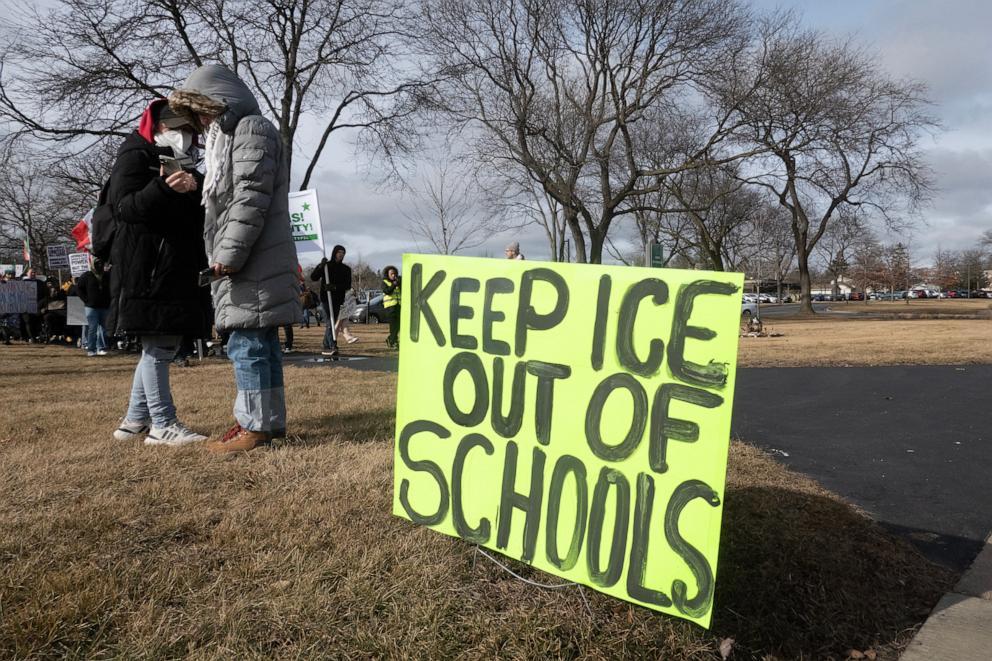
As immigration enforcement efforts intensify across the United States, schools find themselves on the front lines of a rapidly evolving challenge. A new analysis from the Brookings Institution highlights the potential impacts of heightened immigration policies on students, families, and educational communities. The report explores what could happen if enforcement actions increase near schools and offers practical guidance for education leaders striving to protect vulnerable students while maintaining a supportive learning environment. This article delves into the key findings and outlines critical steps that administrators, teachers, and policymakers can take to navigate this complex landscape.
Immigration Enforcement in Schools Explored The Impact on Students and Communities
Recent shifts in immigration enforcement policies have created an atmosphere of uncertainty and fear within many U.S. school communities. Students from immigrant families often face heightened anxiety, which can significantly affect their academic performance and mental health. Schools, traditionally seen as safe havens for learning and growth, now risk becoming spaces where children and families feel vulnerable to immigration scrutiny. This environment disrupts attendance, participation, and engagement, resulting in diminished educational outcomes. Research suggests that the chilling effect extends beyond students to include teachers and staff who may hesitate to engage fully in supporting immigrant families due to legal complexities.
Education leaders are positioned uniquely to mitigate these negative impacts by fostering inclusive and supportive school climates. Strategies include:
- Implementing clear policies to protect student privacy and prevent immigration enforcement actions on campus;
- Providing training for educators on cultural competency and legal rights related to immigration;
- Engaging families and community partners to build trust and communication channels;
- Advocating for resources that address the social-emotional needs of immigrant students.
| Challenge | Impact on Students | Leadership Response |
|---|---|---|
| Immigration Raids Near Schools | Increased absenteeism, trauma | Establish ‘safe zones’ policy |
| Information Sharing Concerns | Distrust, reduced school engagement | Limit data access, enhance privacy |
| Lack of Staff Training | Miscommunication, isolation | Regular cultural competency workshops |
Legal Challenges and Policy Uncertainties Facing Education Leaders
Several complex legal issues complicate the landscape for school administrators navigating immigration enforcement policies. School leaders often confront conflicting directives between federal immigration officials and state or local regulations aimed at protecting students’ rights. These uncertainties create a precarious environment where education institutions must balance compliance with the law and their responsibility to provide a safe, inclusive learning space. The potential for increased immigration enforcement activities near school premises further elevates concerns around student attendance, parental engagement, and overall community trust.
To address these challenges, education leaders should prioritize clear communication strategies and reinforce policies that uphold student privacy and nondiscrimination. Below are critical actions educators can take:
- Develop and disseminate clear guidelines on immigration enforcement protocol tailored to their local context.
- Train staff and faculty on students’ rights under federal and state laws, including protections against discrimination.
- Engage with legal experts to remain informed of evolving policy developments and potential litigation risks.
- Partner with community organizations to provide support resources and amplify trusted messaging.
| Key Legal Concern | Implication for Schools | Recommended Action |
|---|---|---|
| Confidentiality of student records | Risk of unauthorized data disclosure | Strict enforcement of FERPA policies |
| Access of ICE agents on campus | Increased fear and absenteeism | Establish clear campus visitor policies |
| State sanctuary laws | Conflict with federal mandates | Consult legal counsel regularly |
Strategies for Schools to Foster Safety and Inclusion Amid Enforcement Actions
Schools play a pivotal role in creating environments where every student feels both safe and valued — especially during periods of heightened immigration enforcement. Education leaders can implement clear communication channels that ensure families are promptly informed about their rights and the school’s commitment to protecting student privacy. Training staff to recognize signs of trauma and provide culturally responsive support is essential. Furthermore, establishing trusted partnerships with local legal aid organizations and immigrant advocacy groups empowers schools to offer direct assistance or refer families to reliable resources.
Practical steps can also mitigate fear and disruption within the school community. These include:
- Adopting inclusive policies that explicitly prohibit discrimination based on immigration status
- Designating confidential points of contact for students and families to voice concerns safely
- Hosting community forums to foster dialogue and build trust among diverse stakeholders
- Integrating social-emotional learning curricula that address anxiety related to immigration enforcement
By prioritizing these strategies, schools can maintain stable learning spaces amid external pressures and uphold their fundamental mission of equitable education.
Building Partnerships and Advocating for Equitable Education Policies
Education leaders play a pivotal role in forging strategic alliances that elevate student well-being in the face of immigration enforcement pressures. By collaborating with community organizations, legal aid groups, and immigrant advocacy networks, school officials can create robust support systems that safeguard children’s rights and foster trust. These partnerships enable schools to disseminate accurate information regarding students’ legal protections, connect families with essential resources, and advocate for safe spaces free from fear of deportation.
To influence policy change effectively, education leaders must engage with local and federal lawmakers to champion equitable education policies that uphold every child’s right to learn. Prioritizing initiatives such as sanctuary school districts, equitable funding, and anti-discrimination measures can mitigate the adverse effects of immigration enforcement. Below is a snapshot of key advocacy focus areas:
| Advocacy Focus | Impact |
|---|---|
| Sanctuary School Policies | Ensure a protective environment minimizing immigration enforcement presence on campuses |
| Equitable Resource Allocation | Guarantee access to quality education regardless of immigration status |
| Anti-Discrimination Enforcement | Prevent bias and harassment based on immigration status or ethnicity |
- Build strong liaison roles between schools and immigrant families to foster communication and trust.
- Promote policy transparency so families understand their rights and school commitments.
- Advocate for funding directed toward counseling and mental health services tailored to immigrant students.
Concluding Remarks
As immigration enforcement continues to intersect with the daily realities of U.S. schools, education leaders face a critical moment to navigate these challenges thoughtfully. The potential impacts on students, families, and school communities underscore the need for proactive policies that safeguard access to education and promote inclusivity. By fostering open communication, advocating for supportive resources, and collaborating with policymakers, school administrators and educators can help mitigate the uncertainties posed by immigration enforcement, ensuring that all students have the opportunity to learn and thrive. The evolving landscape demands vigilance and resilience, positioning education leaders as key players in protecting the rights and well-being of their diverse student populations.