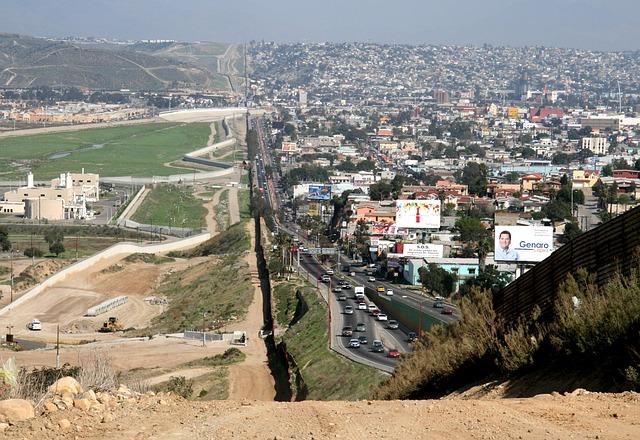
As the 2026 election cycle approaches, immigration continues to polarize the American political landscape, sparking intense debate across party lines. Yet amid the heightened rhetoric and deep divisions, experts at the Brookings Institution suggest these contentious battles could ultimately pave the way for more constructive reforms. This article explores how the current clashes over immigration policy might set the stage for pragmatic solutions in the near future, shedding light on the complex dynamics shaping one of the nation’s most enduring issues.
The Polarizing Landscape of 2026 Immigration Debates and Its Root Causes
Immigration discussions in 2026 have become one of the most fiercely debated topics in the political arena, exposing deep fractures within society. At the core of these tensions lies a complex interplay of economic anxieties, cultural identity concerns, and changing demographic realities. Varying regional impacts of immigration—ranging from labor shortages in rural areas to urban population booms—have made consensus challenging. Additionally, misinformation and partisan rhetoric have amplified fears and misunderstandings, pushing debates into polarized corners rather than collaborative spaces.
Despite the discord, certain factors suggest a pathway toward a more constructive dialogue:
- Shared economic interests: Both proponents and opponents recognize the necessity of a skilled workforce to sustain growth.
- Technological innovations: Improved data and tracking systems can foster more transparent immigration processes.
- Grassroots activism: Community-led initiatives promote integration and mutual understanding across divides.
These elements, if harnessed effectively, may not only soften partisan edges but also lay groundwork for pragmatic legislation that balances security, economic pragmatism, and humanitarian concerns.
| Key Issue | Polarizing Effect | Potential Solution |
|---|---|---|
| Border Security | Heightened fear and political posturing | Technology-driven surveillance & cooperation |
| Labor Market Impact | Competition concerns among native workers | Targeted visa programs for growing sectors |
| Social Integration | Cultural clashes and community resistance | Education and local engagement initiatives |
Emerging Common Grounds Amidst Political Divides
Despite the acrimony surrounding immigration debates in 2026, notable areas of bipartisan agreement are starting to take shape. Lawmakers from both sides recognize the imperative to strengthen border security while simultaneously addressing the humanitarian needs of undocumented immigrants currently residing in the U.S. Crucially, this has fostered a dialogue focused on practical compromise rather than ideological confrontation. Key issues like improving the visa process, investing in technology-driven border enforcement, and expanding pathways to legal residency for certain immigrant groups have emerged as potential pillars of a shared strategy.
These commonalities offer a framework for progress, supported by public opinion data highlighting widespread support for balanced solutions:
- 68% of voters favor enhanced technology at the border over increased troop deployment.
- 55% support legalization pathways for immigrants with clean criminal records.
- 72% agree on prioritizing resources for faster visa processing.
| Policy Area | Democratic Support | Republican Support | Potential Impact |
|---|---|---|---|
| Border Technology | 85% | 78% | Enhanced security without heavy militarization |
| Legalization Programs | 89% | 42% | Pathways for select immigrants to citizenship |
| Visa Processing | 76% | 69% | Faster, more efficient immigration flows |
This growing alignment suggests that the most divisive immigration battles of 2026 could lay the groundwork for substantive reforms, forged from a blend of security concerns and humane immigration policies. By channeling shared priorities into legislative action, policymakers may transform partisan gridlock into durable solutions.
Policy Innovations That Could Bridge the Immigration Divide
Emerging proposals emphasize flexibility and pragmatism as key ingredients for reconciling polarized views on immigration. Policymakers are exploring innovative frameworks that balance border security with pathways to citizenship, focusing on solutions that appeal to a broad spectrum of stakeholders. For instance, pilot programs granting temporary work permits linked to specific industries could address labor shortages while alleviating concerns of undocumented migration. Additionally, data-driven community integration initiatives are gaining traction, aiming to foster economic participation and social cohesion without compromising national security priorities.
Tabled below are several policy innovations currently under consideration, each designed to address distinct aspects of the immigration debate in a manner that invites bipartisan support:
| Innovation | Focus Area | Potential Impact |
|---|---|---|
| Sector-Specific Work Visas | Labor Market | Meets demand in critical industries |
| Community-Based Integration Grants | Social Inclusion | Enhances immigrant participation |
| Technology-Driven Border Management | Security | Improves efficiency and monitoring |
| Conditional Pathways to Residency | Legal Status | Balances enforcement with opportunity |
By centering policy development on measurable outcomes and incremental progress, these innovations hold promise to create common ground. Rather than attempting sweeping reforms that risk political stalemate, a modular approach could allow for adaptive adjustments that reflect changing economic and social dynamics. This method encourages dialogue between factions traditionally at odds, opening channels for compromise and collective problem-solving that may ultimately define the post-2026 immigration landscape.
Strategic Recommendations for Sustainable Immigration Reform
To pave a durable path forward, policymakers must prioritize multifaceted strategies that balance economic needs with humanitarian responsibilities. Fostering bipartisan dialogue is essential, emphasizing pragmatic solutions over partisan rhetoric. This includes adopting a tiered approach to legal immigration that addresses skilled labor shortages while safeguarding workers’ rights. Equally critical is enhancing border security through modern technology and efficient processing systems to ensure safety without stalling the flow of legitimate cross-border movement.
Key areas of focus should include:
- Comprehensive workforce integration: Programs to facilitate language acquisition, credential recognition, and job training for newcomers.
- Legal pathway expansion: Creating more accessible visas attuned to sectoral demands such as agriculture, healthcare, and technology.
- Humanitarian protections: Streamlining asylum processes while reinforcing protections for vulnerable groups.
- Data-driven policy adjustments: Leveraging immigration impact assessments to guide reforms and resource allocation.
| Policy Area | Recommended Action | Potential Outcome |
|---|---|---|
| Workforce Integration | Expand ESL and credentialing programs | Higher employment rates, reduced exploitation |
| Legal Immigration | Increase sector-specific visas | Address labor shortages, boost economy |
| Border Security | Implement tech-enhanced screening | Improved safety, expedited processing |
| Asylum Process | Simplify case adjudication | Faster decisions, better humanitarian aid |
Key Takeaways
As 2026 approaches, the heightened polarization surrounding immigration policy reflects deep-rooted challenges but also opens the door for transformative dialogue. While the current landscape remains contentious, experts suggest that this period of intense debate could ultimately pave the way for more comprehensive and lasting reforms. The Brookings analysis underscores that navigating through division may be an essential step toward crafting solutions that address the complexities of immigration in the years ahead.