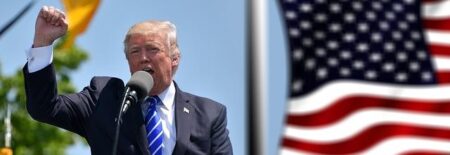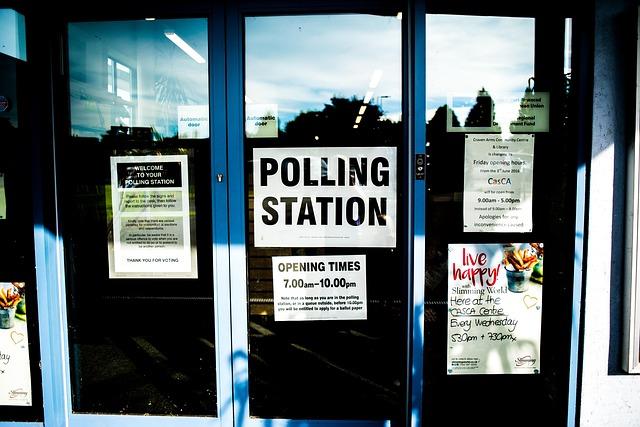
Former President Donald Trump has declined to rule out the deployment of troops or Immigration and Customs Enforcement (ICE) agents at polling stations during future elections, stating he would “do anything necessary” to ensure election security. The remarks, made in a recent interview, have sparked renewed debate over the potential for federal law enforcement presence at voting sites and raised concerns about voter intimidation and the integrity of the electoral process. This article examines Trump’s statements and the broader implications for election oversight and civil liberties.
Trump Signals Willingness to Deploy Troops and ICE at Polling Stations
Former President Donald Trump has not dismissed the possibility of deploying military personnel and Immigration and Customs Enforcement (ICE) agents to polling stations if he deems it necessary for election security. During a recent interview, Trump emphasized his commitment to ensuring what he describes as “fair and honest voting,” suggesting that extraordinary measures could be warranted to safeguard the electoral process. His remarks have ignited a wave of debate over the boundaries of law enforcement at polling places and the potential implications for voter intimidation.
Key points from Trump’s statement include:
- Readiness to deploy troops and ICE if required to prevent voter fraud.
- The assertion that “I’d do anything necessary to protect our elections.”
- Criticism from both Democratic leaders and some Republican officials warning against militarizing the vote.
| Reaction | Summary |
|---|---|
| Democrats | Condemned the threat as voter intimidation and an attack on democracy. |
| Republicans | Mixed responses; some cautious, others silent on potential troop deployment. |
| Legal Experts | Warned of constitutional concerns and possible violations of voting rights. |
Legal Experts Warn of Potential Voting Rights Violations and Constitutional Challenges
Legal authorities and civil rights organizations have raised alarms following statements suggesting the potential deployment of federal troops and ICE agents at polling locations. Experts caution that such actions could intimidate voters, potentially infringing upon established constitutional protections. The involvement of armed federal personnel near or inside polling stations risks undermining the right to free and fair elections, a cornerstone of American democracy.
Concerns center around several critical issues:
- Voter intimidation: Presence of military or immigration enforcement may deter eligible voters from participating.
- Legal precedents: Deployment could trigger lawsuits asserting violations of the First, Fourth, and Fourteenth Amendments.
- Election integrity: Such measures could erode public confidence in election outcomes.
Legal experts emphasize the need for strict adherence to federal statutes that govern election procedures. They warn that actions perceived as coercive or discriminatory will almost certainly provoke constitutional challenges in courts nationwide.
| Legal Concern | Potential Impact |
|---|---|
| Voter Intimidation | Decreased voter turnout, especially in vulnerable communities |
| Federal Overreach | Conflict with state election laws and jurisdictional disputes |
| Constitutional Challenges | Litigation that may delay or invalidate election results |
Impact on Voter Suppression Concerns and Election Integrity Debates
The former president’s comments have intensified fears among voting rights advocates who argue that the presence of armed troops or ICE agents at polling stations could lead to intimidation and suppression of minority voters. Civil rights groups warn that such measures, even if intended to prevent voter fraud, risk undermining public trust in the electoral process and dissuading eligible voters from participating. Experts highlight that the ambiguity surrounding the deployment of federal forces at polling locations could exacerbate existing tensions and disproportionately affect marginalized communities.
Key concerns raised include:
- Potential for increased voter intimidation and reduced turnout in vulnerable populations
- Blurred lines between law enforcement roles and election administration, heightening confusion and fear
- Risks of exacerbating partisan conflict and deepening societal divides over election credibility
| Aspect | Potential Impact |
|---|---|
| Military Presence | Heightened voter anxiety and perception of coercion |
| ICE Involvement | Fear among immigrant communities, possibly deterring voters |
| Election Integrity | Risk of politicizing election oversight, undermining legitimacy |
Recommendations for Safeguarding Free and Fair Access to the Ballot Box
To ensure every citizen’s voice is heard without intimidation or undue influence, strict protocols must govern the presence of law enforcement agencies at voting sites. Polling stations should operate under clear guidelines that prioritize a welcoming, impartial environment. This includes limiting access strictly to authorized election officials and observers to prevent any perception of coercion or interference. Election security teams should focus on protecting against cyber threats and misinformation rather than physical enforcement, which could discourage voter participation.
Investment in voter education and transparent communication about voting procedures plays a critical role in safeguarding democratic access. State and local governments can implement measures such as:
- Independent oversight committees to monitor polling site activities
- Comprehensive training for poll workers on de-escalation and voter rights
- Clear signage restricting unauthorized personnel from election areas
- Legal safeguards to swiftly address any violations during elections
Wrapping Up
As the 2024 election season intensifies, former President Donald Trump’s refusal to rule out deploying troops or ICE agents at polling stations has sparked significant controversy and debate about voter intimidation and election security. His comments have drawn sharp criticism from Democrats and voting rights advocates, raising concerns about the potential impact on American democracy. As the nation watches closely, the implications of such rhetoric will continue to unfold in the coming months, underscoring the importance of safeguarding the integrity and accessibility of the electoral process.