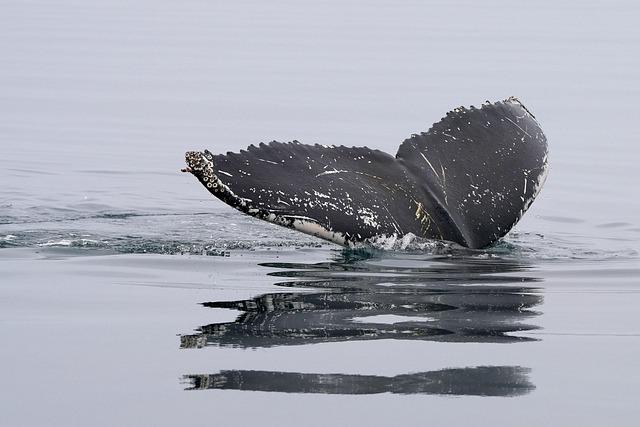
Canada’s Marineland has received conditional approval to transfer several of its whales and dolphins to facilities in the United States, marking a significant development in the ongoing debate over the treatment and relocation of captive marine mammals. The decision comes amid increasing scrutiny from animal rights groups and regulators, who have long raised concerns about the welfare of these creatures in captivity. This article explores the terms of the approval, the response from advocacy organizations, and the potential implications for both Marineland and the broader marine park industry.
Canada’s Marineland Receives Conditional Approval to Transfer Marine Mammals to the United States
In a significant development, Canadian regulatory authorities have granted Marineland conditional approval to transfer several of its marine mammals, including whales and dolphins, to facilities in the United States. The decision comes amid ongoing scrutiny of captivity standards and animal welfare concerns. Authorities have emphasized strict adherence to transport and care guidelines to ensure the safety and well-being of the animals during and after the transfer process.
Key conditions set forth include:
- Health assessments: Comprehensive veterinary evaluations before transport.
- Transport protocols: Use of specialized vehicles with climate control.
- Receiving facility standards: Confirmation that the U.S. facilities meet or exceed Canadian care regulations.
- Post-transfer monitoring: Regular updates to Canadian officials on animal adaptation and health.
These measures are designed not only to provide transparency but also to foster international cooperation concerning the conservation and ethical treatment of marine mammals in captivity.
Regulatory Measures and Animal Welfare Conditions Accompany Green Light for Marine Transfers
Following a comprehensive review, Canadian authorities have granted conditional approval for the transfer of certain marine mammals from Marineland to facilities in the United States. This decision comes with a strict regulatory framework designed to uphold the highest standards of animal welfare throughout the transportation process. Among the key stipulations are mandatory health evaluations prior to transfer, specialized transport equipment, and continuous monitoring by veterinary professionals to ensure the safety and well-being of whales and dolphins in transit.
To enforce these measures, regulators will oversee compliance through regular inspections and detailed reporting requirements. The conditions also include:
- Limits on transport duration to minimize stress.
- Temperature and water quality controls within transport containers.
- Post-arrival acclimatization protocols at the receiving facilities.
| Key Measure | Description |
|---|---|
| Veterinary Oversight | Continuous health checks before, during, and after transfer |
| Transport Duration | Limited to under 12 hours to reduce stress |
| Water Quality | Strict maintenance of oxygen levels and temperature |
| Regulatory Reporting | Detailed logs submitted at each stage of transfer |
Implications for Cross-Border Marine Life Transport and Conservation Policies
The conditional approval granted to Marineland Canada to transfer whales and dolphins across the border highlights the intricate challenges faced by conservation authorities operating within multiple jurisdictions. This decision spotlights the necessity for enhanced coordination between Canadian and U.S. regulatory bodies to ensure that marine mammals experience minimal stress and risk during transportation. Moreover, it underscores the critical importance of harmonizing standards concerning animal welfare, quarantine protocols, and tracking systems that govern cross-border marine life movement.
Policy makers must now address several pressing considerations, including:
- Unified animal welfare benchmarks to prevent regulatory loopholes and maintain consistent care standards
- Transparent reporting mechanisms that monitor the post-transport health and acclimatization of marine mammals
- Emergency response frameworks tailored for unforeseen complications in transit or acclimation periods
- Public engagement and transparency to build trust and facilitate informed dialogue about the ethical implications
| Policy Area | Key Challenge | Potential Solution |
|---|---|---|
| Animal Welfare | Differing care standards | Develop binational guidelines |
| Transportation | Stress and injury risks | Specialized transport protocols |
| Regulatory Enforcement | Jurisdictional overlap | Joint monitoring teams |
| Public Transparency | Misinformation concerns | Open-access reporting portals |
Recommendations for Enhancing Transparency and Monitoring in International Marine Transfers
To ensure accountability and protect marine life during international transfers, governments and regulatory bodies must prioritize transparent documentation and real-time tracking systems. Implementing blockchain technology could provide immutable logs of animal relocations, enhancing trust between nations and conservation groups. Additionally, mandates for pre-transfer health assessments and post-transfer welfare audits, conducted by independent third parties, would provide crucial oversight that minimizes risk and prevents illegal or inhumane transport conditions.
Stakeholders should also develop a unified framework that leverages digital reporting portals, allowing easier access to data on marine species movements worldwide. This framework could include:
- Standardized reporting formats to minimize discrepancies in data submission
- Regular public disclosure of transfer approvals and compliance outcomes
- Cross-border cooperation agreements enhancing enforcement capabilities
| Key Element | Benefit | Responsible Party |
|---|---|---|
| Blockchain Transfer Logs | Immutable record-keeping | Regulatory Agencies |
| Independent Health Audits | Animal welfare assurance | Third-Party Veterinarians |
| Unified Reporting Portal | Enhanced data accessibility | International Marine Authorities |
Closing Remarks
As Canada’s Marineland receives conditional approval to transfer its whales and dolphins to facilities in the United States, the decision marks a significant development in the ongoing debate over marine mammal captivity. While proponents emphasize improved care and expanded opportunities for the animals, critics continue to call for greater protections and a re-evaluation of captivity practices. The coming months will reveal how these transfers unfold and whether they signal broader shifts in the treatment of marine mammals across North America.