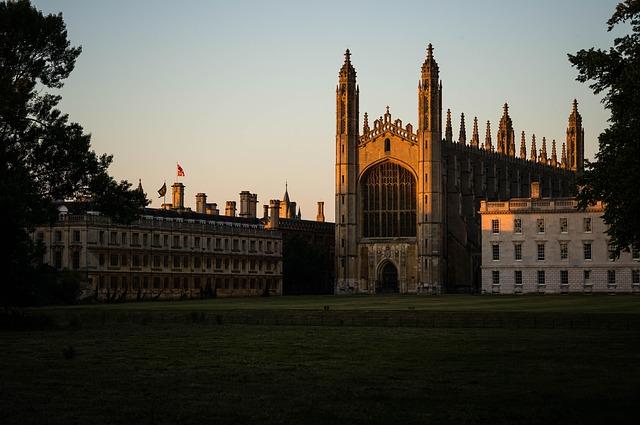
For decades, the idea of attending college without the burden of tuition fees was a reality for many students across the United States. Today, as the cost of higher education continues to soar, it may come as a surprise that numerous American colleges were once entirely tuition-free. This transformative chapter in the history of U.S. education reveals how societal values, government policies, and economic factors combined to make college accessible to a broader population. Exploring the origins and evolution of tuition-free colleges sheds light on the shifting landscape of higher education and the ongoing debate over affordability in America.
Origins of Tuition-Free Education in American Colleges
In the early days of American higher education, universities embraced a model that prioritized broad access over profit. Many colleges were established with the belief that education was a fundamental public good, essential to the growth and character of the young nation. This ethos was reflected in policies that often exempted students from paying tuition fees, aiming to cultivate civic leaders and a knowledgeable electorate without financial barriers. Both private institutions and public land-grant colleges, founded through acts like the Morrill Land-Grant Act of 1862, played significant roles in advancing this vision. These schools relied heavily on government grants, donations, and endowments to sustain their operations, rather than student payments.
Key factors that contributed to the tuition-free system included:
- Public funding through designated land sales and state appropriations
- Philanthropic support from wealthy benefactors
- The mission to promote practical education in agriculture, mechanics, and liberal arts
- Limited operational costs reflecting simpler campus infrastructure
| Era | Main Funding Source | Tuition Model |
|---|---|---|
| Mid-1800s | Land grants & endowments | Mostly tuition-free |
| Early 1900s | State appropriations | Occasional fees, minimal tuition |
| Post-WWII | Federal programs & GI Bill | Reduced tuition, wider access |
Economic and Social Factors Behind Early Tuition Policies
In the early years of American higher education, many institutions adopted tuition-free models due to a combination of economic priorities and societal values. The fledgling nation placed a strong emphasis on creating an informed citizenry capable of sustaining democratic governance, which meant making education accessible regardless of wealth. Public funding, often sourced from land grants and state appropriations, allowed colleges to operate without charging students, thus promoting social mobility and regional development. This approach reflected a broader belief that investing in education would yield long-term economic benefits, strengthening both individual livelihoods and the national economy.
Social dynamics also played a critical role in shaping these policies. Communities viewed tuition-free education as a means to bridge divides and foster greater equality among emerging social classes. The outreach of early colleges often targeted rural populations and working-class families, who had historically been excluded from formal education. Moreover, religious and civic organizations frequently supported tuition waivers, seeing education as a moral imperative intertwined with social reform. Some of the most notable factors behind these policies include:
- Land-Grant Act of 1862: Provided states with federal land to fund colleges, reducing reliance on tuition fees.
- Community investment: Local governments and philanthropists prioritized funding to enhance regional prosperity.
- Democratic ideals: Commitment to equal opportunity education rooted in emerging national identity.
| Economic Factor | Social Impact |
|---|---|
| State Land Revenues | Enabled free access for rural students |
| Philanthropic Endowments | Supported mission-driven scholarships |
| Industrial Growth | Increased demand for skilled workers |
Impact of Tuition-Free Access on Higher Education Expansion
Tuition-free access to higher education served as a catalyst for remarkable expansion during the early and mid-20th century. By removing financial barriers, colleges experienced a surge in enrollment from diverse socioeconomic backgrounds. This inclusivity not only democratized education but also fueled a workforce equipped with critical skills necessary for a rapidly industrializing America. Public funding ensured that institutions could expand their campuses, diversify academic programs, and attract qualified faculty, which collectively forged stronger regional economies and minimized educational disparities.
Key outcomes of tuition-free policies included:
- Increased college attendance rates among lower- and middle-income families
- Greater geographic distribution of higher learning institutions
- Enhanced investment in research and vocational training
- Stronger alignment between educational offerings and labor market needs
| Period | Enrollment Growth | Public Funding Increase |
|---|---|---|
| 1920s-1940s | +32% | +45% |
| 1950s-1960s | +50% | +60% |
This strategic alignment of tuition-free access with sustained government support laid the foundation for the modern public university system. It promoted social mobility and innovation, demonstrating that when education is accessible to all, societies benefit in multifaceted ways—economically, culturally, and socially.
Lessons for Modern Policy Makers from Historical Tuition Models
Historical tuition models reveal a distinctive approach centered on accessibility and public responsibility. Many early US colleges operated tuition-free by relying heavily on public funding, endowments, and community support. This approach fostered a democratization of higher education long before the contemporary surge in tuition fees. The lessons for modern policy makers are clear: prioritizing state investment in education can reduce financial barriers and promote social mobility. Integrating a broader funding base, including partnerships with local governments and private entities, can recreate a model where education is seen as a public good rather than a consumer product.
Key takeaways for today’s leaders include:
- Emphasizing sustained public investment to stabilize college financing
- Encouraging community engagement to support institutional missions
- Adopting diversified revenue streams to alleviate reliance on tuition
| Historical Tuition Model | Funding Sources | Policy Implications |
|---|---|---|
| Public-Funded Land-Grant Colleges | State Appropriations, Federal Grants | Promotes accessible STEM education |
| Endowment-Supported Private Colleges | Donations, Bequests | Reliance on philanthropy for sustainability |
| Community-Supported Institutions | Local Taxes, Volunteer Initiatives | Encourages local involvement and pride |
Final Thoughts
The history of tuition-free education in many U.S. colleges reveals a complex interplay of social, economic, and political factors that shaped higher education access over the decades. While the commitment to free or low-cost public education has waxed and waned, understanding this legacy sheds light on ongoing debates about college affordability today. As policymakers and educators grapple with the rising costs of attendance, revisiting the roots of tuition-free systems offers valuable perspective on the challenges and opportunities facing American higher education.