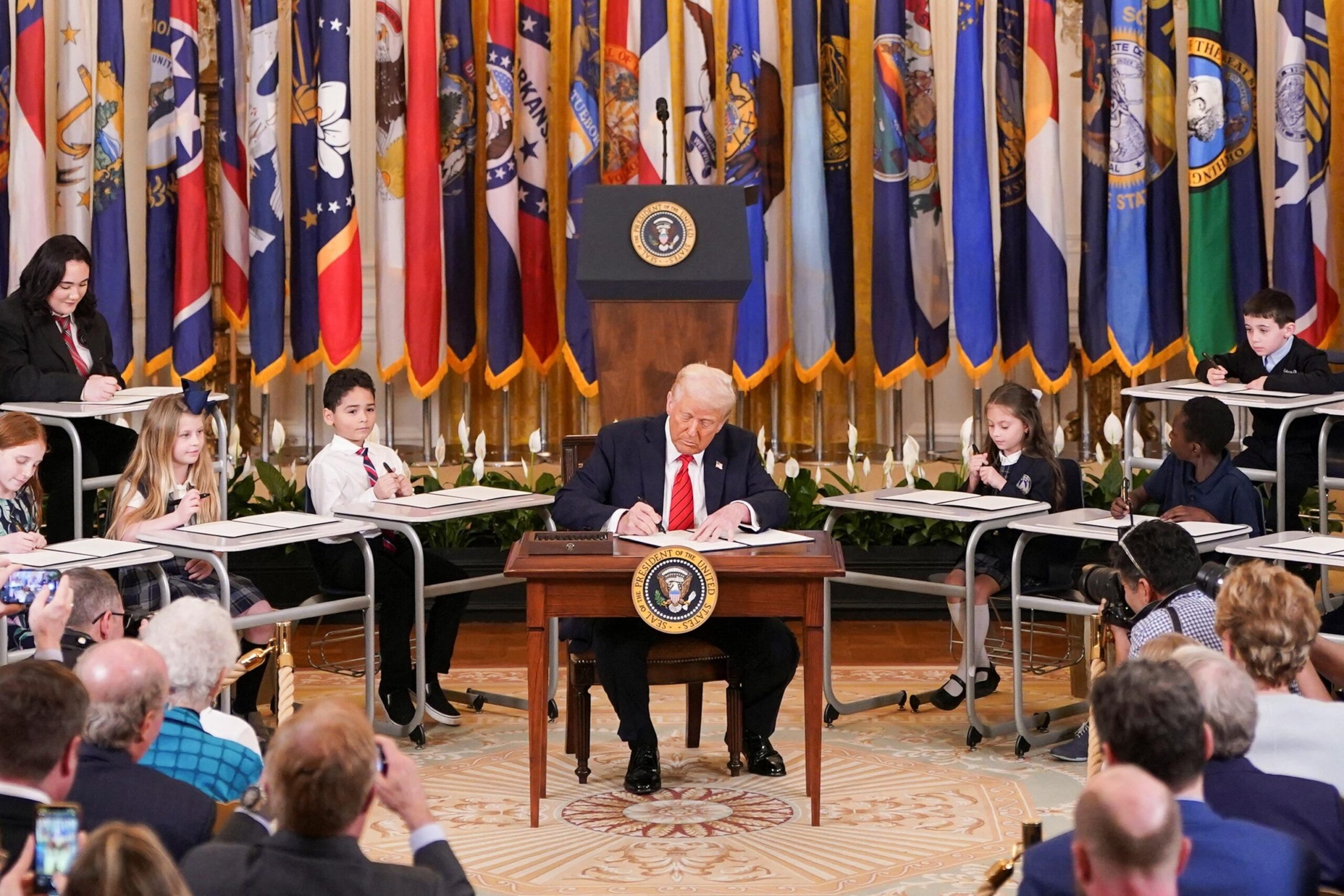
In an unprecedented move, former President Donald Trump has proposed closing the U.S. Department of Education, raising urgent questions about the future of federal student loan programs. As student loan debt continues to burden millions of Americans, experts and borrowers alike are seeking clarity on how such a drastic federal shift would impact loan servicing, repayment options, and borrower protections. This article explores the potential consequences of dismantling the agency responsible for managing the nation’s education policies and financial aid, examining what it could mean for both current and future student loan holders.
Impact of Education Department Closure on Federal Student Loan Servicing and Repayment
If the Education Department were to shut down, managing federal student loans would become an unprecedented challenge, potentially disrupting the current servicing framework that millions rely on for their repayment plans. Typically, a network of loan servicers works under the department’s oversight to handle payment processing, issue deferments, and update borrowers on repayment options. Without the department’s operational presence, this system could face delays or interruptions, leaving borrowers uncertain about where to send payments and how to access relief programs.
Key consequences could include:
- Confusion over payment submission and receipt confirmation
- Temporary suspension or alteration of borrower protections such as forbearance or income-driven repayment plans
- Challenges in servicing communication, making it harder to resolve disputes or request assistance
- Potential backlog in processing loan forgiveness applications and rehabilitation requests
| Aspect | Potential Impact |
|---|---|
| Payment Processing | Delayed posting and receipts |
| Communication | Limited borrower support |
| Repayment Programs | Uncertainty on eligibility and application status |
| Loan Forgiveness | Application review slowdowns |
Legal Challenges Surrounding Federal Student Loan Management Without the Education Department
The prospect of dissolving the Education Department raises immediate legal questions about the stewardship of federal student loans. Without this centralized authority, the administration of over $1.7 trillion in debt would become fragmented, triggering concerns about contractual obligations, borrower rights, and the continuity of loan servicing. Experts warn that the sudden absence of a governing body could lead to legal disputes over the enforceability of loan agreements and the legitimacy of repayment terms, potentially clogging courts with litigation from borrowers seeking clarification or leniency.
Moreover, the transition plan—or lack thereof—heightens uncertainty surrounding the stewardship of crucial borrower protections, including income-driven repayment plans and forgiveness programs. Key legal challenges include:
- Jurisdictional ambiguity: Who would hold the authority to enforce federal loan contracts?
- Servicing contract continuity: Would servicers operate under existing contracts without federal oversight?
- Borrower data security: How would sensitive information be safeguarded during administrative handoffs?
- Compliance with federal lending statutes: Without the Education Department, enforcing compliance remains unclear.
| Legal Issue | Potential Impact |
|---|---|
| Contract Validity | Risk of default due to disputed terms |
| Borrower Protections | Loss of access to relief programs |
| Data Management | Increased vulnerability to breaches |
| Federal Oversight | Regulatory gaps and enforcement delays |
Potential Consequences for Borrowers and Higher Education Institutions
Borrowers could face immediate uncertainty regarding the servicing and management of their student loans. Without the Department of Education’s central oversight, there is a risk of payment processing delays, potential loss of access to income-driven repayment plans, and confusion about loan forgiveness programs. This disruption would disproportionately affect millions of borrowers relying on streamlined communication and support from federal loan servicers.
Higher education institutions may encounter financial instability as the federal funding pipeline wavers. Many colleges depend heavily on federal student aid programs to maintain enrollment and cover operational costs. Potential consequences include:
- Decreased enrollment as prospective students hesitate amid financial ambiguity.
- Delayed disbursement of tuition payments affecting institutional cash flow.
- Strained administrative resources as schools grapple with new or unclear regulatory frameworks.
| Stakeholder | Potential Impact |
|---|---|
| Borrowers | Payment delays, loss of protections, confusion |
| Universities | Funding shortfalls, potential enrollment drops |
Recommendations for Policymakers to Safeguard Student Loan Programs Amid Departmental Changes
Policymakers must prioritize creating resilient frameworks that ensure the uninterrupted management of student loan programs in the event of significant structural shifts within the Department of Education. This entails establishing independent oversight bodies tasked explicitly with the administration and protection of federal student aid. By decentralizing control, the risk associated with political upheaval can be mitigated, guaranteeing that loan servicers and borrowers experience seamless continuity in payments, forgiveness programs, and repayment options.
Additionally, expanding legislative safeguards to enshrine borrower protections into law is essential. These should include:
- Guaranteed access to income-driven repayment plans regardless of departmental changes
- Mandatory data transparency to monitor loan servicing and borrower support metrics
- Contingency protocols for rapid transfer of loan servicing duties to alternative agencies
These steps, combined with robust inter-agency coordination, would create a stable ecosystem for student loans that withstands political uncertainties while keeping borrowers’ interests at the forefront.
To Wrap It Up
As the debate over the future of the Education Department intensifies, the fate of millions of student loan borrowers hangs in the balance. Closing the department would not only disrupt the administration and servicing of federal student loans but also create significant uncertainty for borrowers seeking relief or repayment options. Lawmakers, borrowers, and education experts alike continue to watch closely, recognizing that any drastic changes could have far-reaching consequences for the nation’s higher education system and the economy at large. Ultimately, clear policies and coordinated efforts will be crucial to ensure that student loan management remains uninterrupted, regardless of the department’s status.