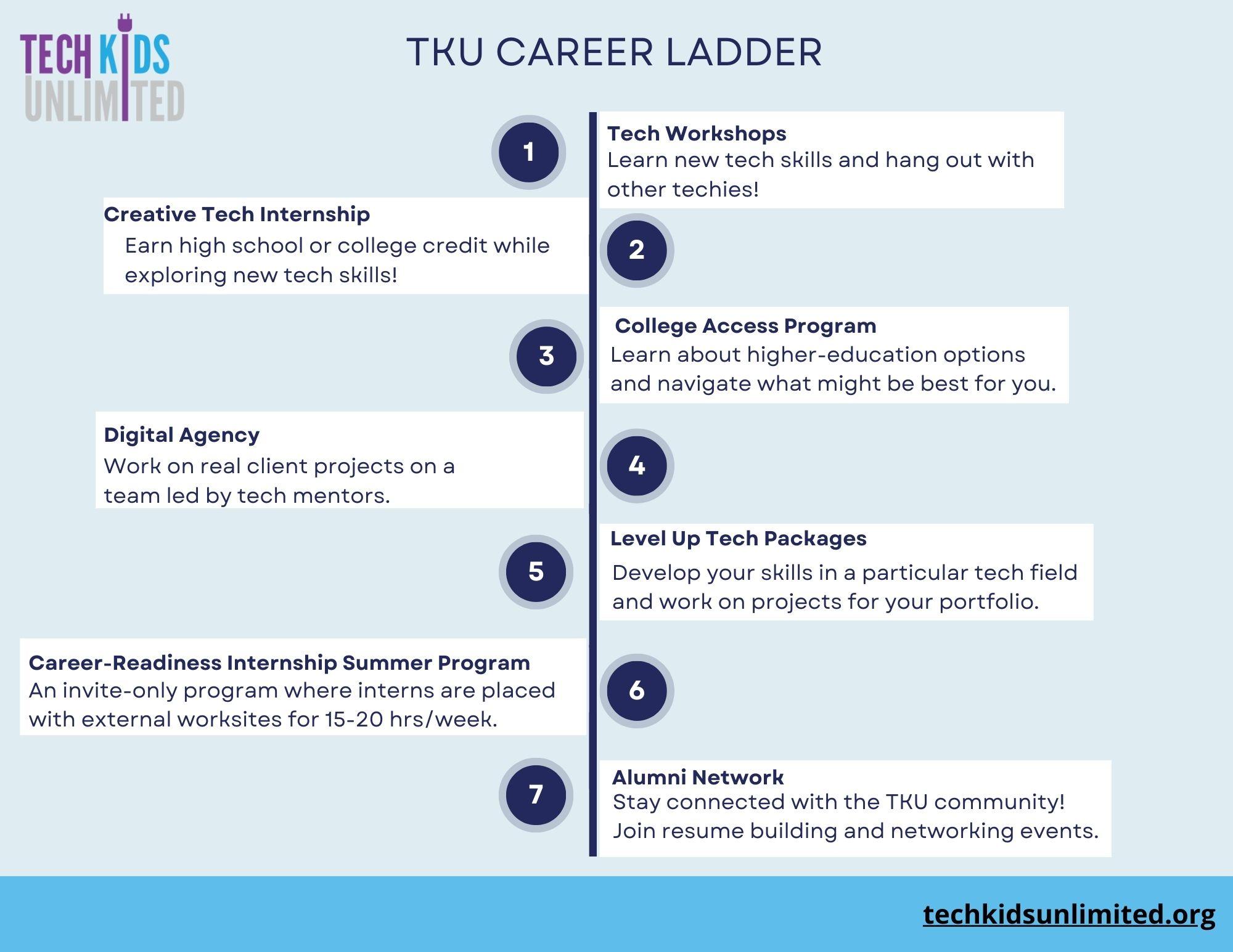
As rising tuition costs and evolving job market demands reshape educational priorities, a growing number of American students are opting for career technical programs over traditional four-year colleges. This shift, highlighted in a recent USA Today report, has sparked concern among parents who worry about the long-term implications for their children’s futures. The debate underscores a broader national conversation about the value of higher education and the changing pathways to stable employment in the 21st century.
Rising Trend of Career Tech Programs Among High School Graduates
In recent years, a noticeable shift has emerged as more high school graduates opt for career technical education (CTE) programs over the traditional four-year college route. These programs offer targeted training in fields like information technology, healthcare, and advanced manufacturing, promising quicker entry into the workforce. Proponents highlight that career tech pathways often lead to well-paying jobs without the burden of hefty student loans or prolonged academic commitments.
However, parents voice multiple concerns about this evolving trend:
- Long-term career stability and growth potential
- Perception of limited academic prestige
- Potential gaps in broad-based education
- Uncertainty about the transferability of skills across industries
| CTE Program | Average Completion Time | Median Salary (First 5 Years) |
|---|---|---|
| Cybersecurity | 1-2 years | $65,000 |
| Medical Coding | 1 year | $50,000 |
| Automotive Technology | 2 years | $55,000 |
| Digital Media Design | 1-2 years | $48,000 |
Parents Voice Concerns Over Long-Term Career Stability
Many parents worry that bypassing traditional college degrees in favor of career technical education (CTE) programs may limit their children’s long-term job prospects. While these programs offer hands-on skills and quicker entry into the workforce, questions remain about the sustainability of such careers in a rapidly evolving job market. Parents express concerns over whether CTE graduates will be able to adapt to future industry changes without the broader educational foundation that traditional degrees typically provide.
Some of the main points raised by parents include:
- Job growth potential: Will CTE careers offer steady advancement or plateau prematurely?
- Economic resilience: Can these roles weather economic downturns as well as traditional professions?
- Credential recognition: How widely are certifications and diplomas from technical programs acknowledged across industries and regions?
| Concern | Parental Feedback |
|---|---|
| Career longevity | “Will my child be left without options if their trade becomes obsolete?” |
| Salary growth | “How high can pay rise compared to college-educated peers?” |
| Transferability | “Can skills learned be applied in different states or related fields?” |
Experts Weigh Benefits and Drawbacks of Nontraditional Education Paths
As nontraditional education paths gain momentum, experts emphasize the importance of weighing both the advantages and potential drawbacks. Career technical programs often provide students with practical skills and direct pathways into the workforce, enabling a faster transition to employment compared to traditional four-year colleges. These programs are praised for their focus on industry demand, hands-on training, and lower tuition costs, which appeal especially to students eager to avoid long-term debt. However, some educators caution that these paths may limit broader educational exposure, potentially affecting adaptability and advancement opportunities over time.
Industry analysts underscore the value of the specialized skill sets gained through career tech education but remind families that these paths might not suit all types of learners or career goals. The debate often centers on balancing immediate job readiness against long-term academic development. Below is a concise comparison highlighting expert viewpoints:
| Aspect | Career Tech Programs | Traditional College |
|---|---|---|
| Time to Workforce | Shorter (often 1-2 years) | Typically 4+ years |
| Cost | Lower tuition, less debt | Higher tuition, potential for student loans |
| Curriculum Focus | Hands-on skills, industry-specific | Broader academic education |
| Career Flexibility | May be limited to specialized fields | Greater mobility and adaptability |
| Networking Opportunities | Industry-focused connections | Diverse networks through campus life |
Guidance for Families Navigating College Versus Career Tech Choices
With a rising number of students opting for career and technical education (CTE) over traditional four-year universities, families find themselves at a crossroads. Parents often express concern about the perceived value and long-term stability of career tech paths, fearing their children might miss out on the conventional college experience. However, experts emphasize the importance of recognizing the evolving job market, where skilled trade jobs and tech-based vocations offer competitive salaries and robust career growth without the burden of hefty student loans. Understanding the benefits and challenges of each option enables families to make informed decisions that align with the student’s interests and ambitions.
To aid families in this decision-making process, consider these key factors:
- Career Alignment: Match the program to the student’s skills and passion, whether it’s coding, healthcare, or skilled trades.
- Cost and Debt: Evaluate tuition costs and potential debt associated with each pathway.
- Job Market Demand: Research future employment trends and salary expectations in the chosen field.
- Flexibility: Consider whether programs offer opportunities to transfer or pursue further education later.
| Factor | Traditional College | Career Tech Programs |
|---|---|---|
| Time to Completion | 4 years on average | 6 months to 2 years |
| Average Cost | $30,000 – $60,000 per year | $1,000 – $15,000 per program |
| Job Market Entry | Post-graduation | Often immediate |
| Debt Impact | High potential | Minimal to none |
Future Outlook
As the trend of students opting for career and technical education programs continues to grow, it signals a significant shift in the traditional path to professional success. While parents express understandable concern about the long-term implications, educators and industry leaders emphasize the practical benefits and employment opportunities these programs offer. As the debate unfolds, it remains clear that the future of education is evolving—and families, schools, and policymakers alike will need to navigate these changes carefully to best support the next generation’s ambitions and talents.