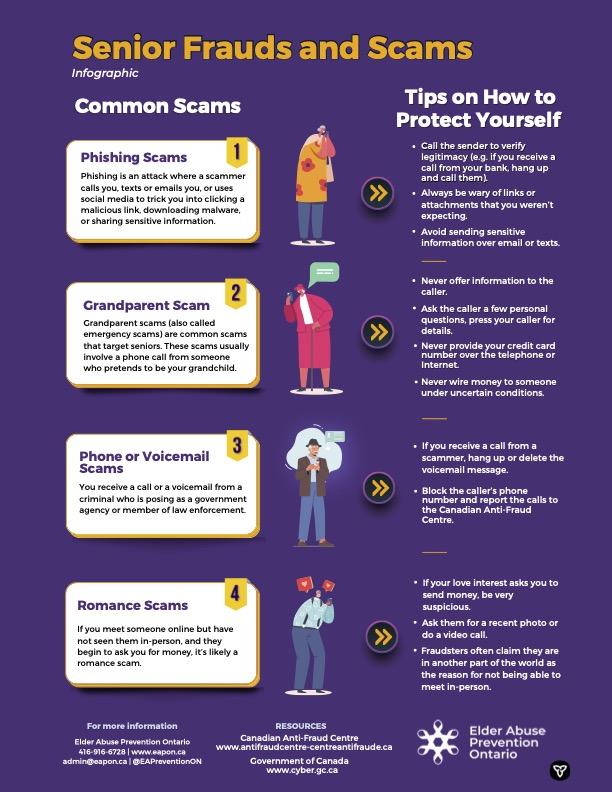
The Federal Bureau of Investigation (FBI) has long been at the forefront of combating fraud and scams that pose significant threats to individuals and businesses alike. As fraudulent schemes continue to evolve in complexity and reach, staying informed about common scams has never been more crucial. This article explores the latest insights and warnings from the FBI’s official resources, shedding light on prevalent fraud tactics and offering guidance on how the public can protect themselves from becoming victims. From online impersonations to financial fraud, the FBI’s expertise provides a vital line of defense in the ongoing battle against deception and cybercrime.
Common Fraud Schemes Targeting Everyday Americans
Every year, millions of Americans fall victim to scams that exploit trust and manipulate emotions. Some of the most pervasive tactics involve impersonation, misleading offers, and outright deception designed to steal personal information or money. Among these, phishing schemes remain a central threat, where fraudsters masquerade as reputable entities to extract sensitive data. Additionally, investment frauds promise unrealistic returns, targeting individuals eager for financial security but often resulting in significant losses.
Consumers should also be vigilant against impostor scams and fraudulent sweepstakes or lottery notifications which frequently prey on the elderly and vulnerable. These scams often follow a recognizable pattern:
- Unexpected contact requesting personal or financial information
- Urgency or threats to elicit quick compliance
- Requests for payment via untraceable methods such as gift cards or wire transfers
| Scheme | Common Target | Typical Red Flag |
|---|---|---|
| Phishing | All age groups | Links to fake websites |
| Investment Fraud | Retirees, Investors | Unrealistic profit promises |
| Impostor Scams | Elderly | Urgent identity verification requests |
Inside the Mechanics of Identity Theft and Financial Scams
Identity theft typically thrives on deception and exploitation of personal information. Fraudsters deploy sophisticated techniques, such as phishing emails, social engineering calls, or malware attacks, to obtain sensitive details like Social Security numbers, bank account credentials, and credit card information. Once acquired, this data can be used to open fraudulent accounts, make unauthorized purchases, or even commit tax fraud, leaving victims to face considerable financial and reputational damage.
Financial scams often rely on psychological manipulation to coerce victims into handing over money or personal information. Common tactics include:
- Impersonation: Scammers pose as trusted figures, such as bank officials, government representatives, or tech support agents.
- Urgency and Fear: Creating artificial pressure by threatening legal action or account suspension.
- Fake Offers: Promising unrealistic returns on investments or lottery winnings that require upfront fees.
| Scam Type | Common Targets | Typical Outcome |
|---|---|---|
| Phishing | Email & Online Accounts | Credential Theft |
| Impersonation | Senior Citizens & Businesses | Monetary Loss |
| Fake Investments | General Public | Financial Fraud |
How the FBI Investigates and Disrupts Fraud Networks
The FBI employs a multifaceted approach to identify and dismantle fraud networks, relying on advanced data analytics, undercover operations, and strong interagency collaboration. Agents meticulously analyze financial transactions and communication patterns to trace the origins and methods of fraud schemes. Utilizing state-of-the-art technology, the bureau can swiftly pinpoint vulnerabilities exploited by scammers and intercept illicit funds before payouts occur. Their efforts extend beyond mere detection; ongoing cyber surveillance and informant engagement help maintain real-time intelligence on emerging threats.
When the FBI targets a fraud network, the operation often unfolds in stages including:
- Intelligence Gathering: Collecting and verifying evidence from victims, financial institutions, and cyber platforms.
- Undercover Infiltration: Deploying agents to interact directly with suspects and gather firsthand information.
- Coordinated Raids: Executing synchronized arrests and seizures to disrupt entire ring structures simultaneously.
- Prosecution Support: Providing comprehensive legal and forensic assistance to ensure robust charges and convictions.
| Stage | Key Activity | Outcome |
|---|---|---|
| Intelligence Gathering | Data analysis & witness debriefs | Identifies suspects & fraud patterns |
| Undercover Infiltration | Agent engagement with networks | Gathers critical evidence |
| Coordinated Raids | Simultaneous arrests | Disrupts operations immediately |
| Prosecution Support | Forensic & legal assistance | Secures convictions & deterrence |
Protecting Yourself From Scams Through Vigilance and Reporting
Constant vigilance is your first line of defense against scams. Always verify sources before sharing personal or financial information, especially in unsolicited calls, messages, or emails. Look for red flags such as urgent threats, demands for secrecy, or requests for payment via unconventional methods like gift cards or wire transfers. Scammers often exploit fear or excitement to pressure victims into rash decisions. Staying informed about common tactics helps you recognize scams quickly and avoid falling prey to fraud.
Equally important is promptly reporting suspicious activity to the proper authorities. Reporting scams not only helps protect you but also enables law enforcement to track patterns, warn others, and bring criminals to justice. Utilize resources such as the FBI’s Internet Crime Complaint Center (IC3) or local consumer protection agencies. Below is a quick guide on where to report various scams:
| Type of Scam | Where to Report |
|---|---|
| Online Fraud | IC3.gov |
| Identity Theft | Federal Trade Commission (FTC) |
| Phone Scams | National Do Not Call Registry |
| Investment Frauds | Securities and Exchange Commission (SEC) |
To Conclude
As fraudsters continue to evolve their tactics, awareness and vigilance remain the most effective defenses against scams. The FBI urges the public to stay informed about common fraud schemes and to report suspicious activity promptly. By working together and leveraging the resources available at fbi.gov, individuals and communities can help safeguard themselves from financial exploitation and uphold the integrity of our institutions. Staying alert is not just a personal responsibility—it is a crucial step in the collective fight against fraud.