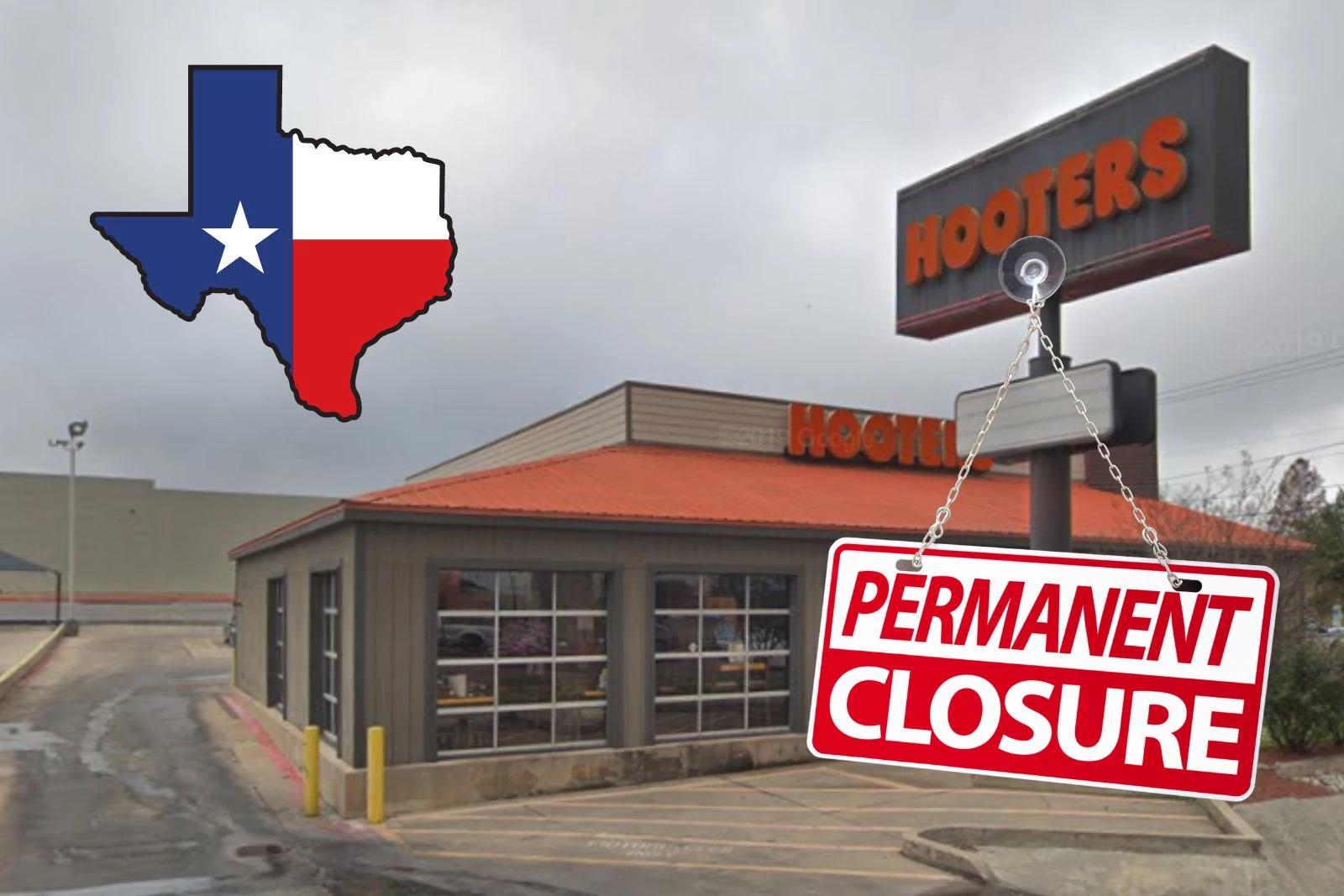
Hooters, the iconic American restaurant chain known for its casual dining and waitstaff, has abruptly closed over 30 of its locations across the country. The company described the move as a “difficult decision,” leaving employees and customers caught off guard. The closures mark a significant shift for the brand, raising questions about the challenges facing the hospitality industry amid changing consumer trends and economic pressures. This article explores the circumstances leading to the sudden shutdowns and what it means for Hooters’ future.
Hooters Shuts Down More Than 30 Locations Amid Financial Struggles
Hooters, the iconic casual dining chain known for its chicken wings and distinctive brand, has abruptly closed over 30 locations nationwide. The company attributes these closures to ongoing financial challenges exacerbated by rising operational costs and shifting consumer preferences. According to a statement released by Hooters’ management, the decision was “difficult but necessary” to stabilize the business and refocus resources on more profitable markets.
Industry analysts suggest that the closures reflect larger trends facing mid-tier restaurant chains struggling amidst increased competition and lingering pandemic effects. The affected locations span both urban and suburban areas, impacting hundreds of employees. The company has promised support to those affected, including severance packages and job placement assistance. Below is a breakdown of some key details regarding the recent closures:
| Region | Number of Locations Closed | Primary Reason |
|---|---|---|
| Midwest | 12 | High rent costs |
| South | 9 | Labor shortages |
| West Coast | 7 | Reduced foot traffic |
| East Coast | 5 | Competitive market |
Analyzing the Economic Factors Behind the Sudden Restaurant Closures
The abrupt shuttering of over 30 Hooters locations across the country underlines the mounting economic pressures facing the casual dining sector. Rising operational costs fueled by inflation in labor and food prices have squeezed profit margins, forcing companies to make stringent cuts. Additionally, a shift in consumer behavior towards delivery and takeout, compounded by lingering pandemic-related restrictions, continues to disrupt traditional dine-in revenue streams. The convergence of these factors has created a challenging environment, compelling Hooters to consolidate its footprint.
Key economic factors contributing to the closures include:
- Inflation surge: Increased prices for ingredients and supplies have led to higher menu costs.
- Labor shortages: Higher wages and recruitment difficulties have inflated staffing expenses.
- Lease agreements: Rising commercial rents in high-traffic areas have strained budgets.
- Shifts in dining preferences: Growing demand for healthier and fast-casual options has reduced foot traffic.
- Supply chain disruptions: Unpredictability in sourcing key products has caused operational hurdles.
| Factor | Impact on Operations |
|---|---|
| Inflation | Menu price adjustments and margin compression |
| Labor Market | Increased staffing costs and turnover |
| Commercial Rent | Higher fixed expenses impacting profitability |
| Consumer Trends | Decreased dine-in visits, pivot to delivery |
Impact on Employees and Local Communities Following the Shutdowns
The abrupt closure of over 30 Hooters locations has sent shockwaves through the affected employees and surrounding communities. Workers, many of whom relied on these positions for steady income, now face sudden unemployment with little notice. The company has pledged to assist with severance packages and job placement where possible, but the impact remains palpable. Among the groups hit hardest are part-time staff, single parents, and local youths who viewed the restaurant as a crucial stepping stone in their careers.
Communities that lost these restaurants also confront a ripple effect beyond just job losses. Local economies face reduced foot traffic, affecting neighboring businesses and vendors. Key concerns voiced include:
- Economic downturn in areas where Hooters was a popular dining destination
- Loss of community gathering spots contributing to a decline in social engagement
- Decreased charity and sponsorship efforts previously supported by these locations
| Impact Area | Details |
|---|---|
| Employees | Severance provided, job uncertainty remains |
| Local Economy | Drop in consumer spending near closed sites |
| Community | Reduction in social events and sponsorship activities |
Strategies for Hooters to Rebuild Brand Trust and Market Position
To regain consumer confidence and strengthen its foothold, Hooters must prioritize a transparent communication strategy that openly addresses the reasons behind the closures. This approach will help mitigate negative press and reassure loyal customers. Reinforcing a commitment to community engagement and enhancing the dining experience through revamped menus and improved service standards could revive interest and loyalty. Furthermore, emphasizing health and safety compliance, especially in the current landscape, can reposition Hooters as a responsible and customer-focused brand.
Strategic marketing and operational adjustments should focus on aligning the brand with contemporary values while maintaining its unique identity. Key tactics include:
- Launching targeted local promotions to support remaining locations and rebuild local customer bases.
- Investing in digital transformation, such as mobile ordering and delivery partnerships, to expand accessibility.
- Offering training programs to enhance staff professionalism and guest engagement.
- Adjusting menu offerings with healthier and more diverse options to broaden appeal.
| Strategy | Purpose | Expected Outcome |
|---|---|---|
| Transparent Communication | Build trust through openness | Reduced negative sentiment |
| Local Promotions | Boost community support | Increased foot traffic |
| Digital Expansion | Enhance customer convenience | Higher sales via delivery |
| Staff Training | Improve service quality | Greater customer satisfaction |
To Conclude
The sudden closure of over 30 Hooters locations marks a significant shift for the once-thriving restaurant chain. As the company labels the move a “difficult decision,” industry observers and loyal customers alike will be watching closely to see how Hooters navigates the evolving market landscape moving forward. The closures underscore broader challenges facing casual dining chains amid changing consumer preferences and economic pressures. Further developments and company statements are expected in the coming weeks.