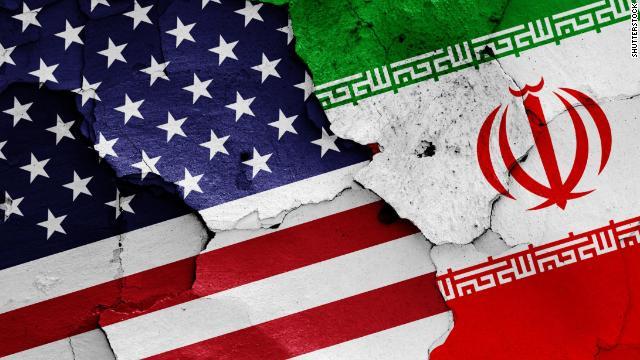
As tensions between the United States and Iran continue to simmer, new analyses suggest that the roots of this enduring conflict may extend beyond conventional geopolitical disputes. According to a recent CNN report, prophecy and religious beliefs could play a significant role in shaping the dynamics of America’s clash with Iran. This perspective invites a deeper examination of how ideological narratives and long-held convictions influence the policy decisions and strategic calculations on both sides, potentially complicating efforts for diplomatic resolution.
The Influence of Religious Prophecy on US-Iran Relations
Religion and prophecy have long intertwined with geopolitics in shaping the trajectory of US-Iran relations. Key figures on both sides often invoke prophetic narratives that influence policy decisions and public sentiment, creating a complex overlay where theological expectations meet strategic interests. For instance, some Iranian leaders frame their resistance against the West as a part of a divine mandate, anticipating a destined clash that transcends mere politics. Meanwhile, certain American groups interpret Iran through apocalyptic lenses, framing the nation as pivotal in biblical end-times prophecy. These spiritual outlooks embed an additional layer of tension that can harden positions and complicate diplomatic efforts.
Factors fueling this prophetic influence include:
- Religious symbolism in official discourse – Both Iranian and American leaders often use scriptural references to justify policies or rally support.
- Popular culture and media amplification – Movies, books, and talk shows discussing end-times scenarios shape public perception and policy backing.
- Grassroots movements and lobbying groups – Faith-based organizations on both sides push agendas aligned with their prophetic interpretations.
| Aspect | US Perspective | Iranian Perspective |
|---|---|---|
| Key Prophetic Symbol | The Arrival of the Messiah | Return of the 12th Imam |
| Influence on Policy | Support for Israel as prophetic ally | Resistance as divine duty |
| Impact on Public Opinion | Heightened threat perception | Increased nationalistic fervor |
How Apocalyptic Beliefs Impact Diplomatic and Military Strategies
Apocalyptic beliefs deeply influence the decision-making frameworks of some policymakers, particularly in contexts where end-times narratives shape their worldview. When leaders or influential figures perceive current events as fulfillment of prophetic visions, their diplomatic and military actions may prioritize symbolic gestures or irreversible moves that align with those expectations, rather than balancing pragmatic political outcomes. This can lead to an escalation of conflicts, where restraint is seen less as a virtue and more as an obstacle to a predetermined historical destiny.
These belief-driven strategies typically manifest in ways such as:
- Prioritizing military engagements that hasten prophesied outcomes, irrespective of long-term costs.
- Diverting diplomatic talks when they contradict a desired prophetic trajectory.
- Framing international alliances and rivalries within a cosmic or spiritual battle narrative that restricts compromise.
| Aspect | Apocalyptic Impact | Diplomatic & Military Consequence |
|---|---|---|
| Decision Urgency | Time perceived as finite or accelerating | Impulsive or irreversible military actions |
| Global View | Us vs. Them in spiritual terms | Reduced diplomatic flexibility |
| Risk Tolerance | Apocalyptic destiny justifies high risk | Heightened likelihood of conflict escalation |
Balancing Political Realities with Theological Motivations in Policy Making
In the complex arena of U.S.-Iran relations, policymakers often navigate a terrain where religious prophecy and political strategy intersect in unpredictable ways. While traditional international relations theories emphasize realpolitik, emerging evidence suggests that some American decision-makers are influenced by theological narratives that shape perceptions of the Middle East conflict. This intersection raises questions about how religious beliefs might inform, complicate, or even override classic diplomatic approaches.
- Strategic implications: The blending of eschatology with policy can lead to decisions that prioritize ideological timelines over pragmatic outcomes.
- Impact on diplomacy: Religious motivations may affect willingness to negotiate or escalate conflicts based on perceived divine mandates.
- Public communication: Leaders can frame foreign policy in prophetic terms to rally domestic support or justify hardline stances.
| Factor | Political Reality | Theological Motivation |
|---|---|---|
| Decision Drivers | National security, alliances, economics | Prophetic interpretation, end-times scenarios |
| Policy Focus | Containment, negotiation, sanctions | Fulfillment of scripture, divine destiny |
| Risk Assessment | Geopolitical stability | Perceived cosmic significance |
Recommendations for Navigating Ideological Complexities in Middle East Diplomacy
Diplomatic efforts in the Middle East demand a nuanced understanding that transcends conventional political analysis. Navigators of this complex terrain must account for the profound ideological and religious narratives that shape regional actors’ decisions. Recognizing that prophecy-driven beliefs can influence policy frameworks in countries like Iran is crucial for crafting effective engagement strategies. Ignoring these factors risks oversimplifying intentions and leads to missed opportunities for meaningful dialogue.
Successful diplomatic initiatives often hinge on three core practices:
- Contextual Intelligence: Integrate cultural and religious insights into intelligence assessments to better anticipate actions and rhetoric.
- Inclusive Communication: Engage diverse local stakeholders, including religious leaders, to bridge ideological divides.
- Adaptive Policy-Making: Design flexible frameworks that accommodate ideological dimensions without compromising core interests.
| Challenge | Recommended Approach | Expected Outcome |
|---|---|---|
| Misreading religious motives | Incorporate theological expertise into negotiation teams | Improved trust and negotiation clarity |
| Polarized ideological camps | Foster multilateral dialogues including moderate voices | Reduced regional tensions and alliances |
To Wrap It Up
As the complexities of U.S.-Iran relations continue to unfold, it is clear that the interplay of prophetic beliefs and political strategy cannot be overlooked. Understanding how deep-seated religious convictions influence decision-making may prove crucial in anticipating future developments in this enduring geopolitical conflict. As policymakers navigate these turbulent waters, recognizing the role of prophecy alongside conventional diplomacy could offer new insights into the path forward for both nations.