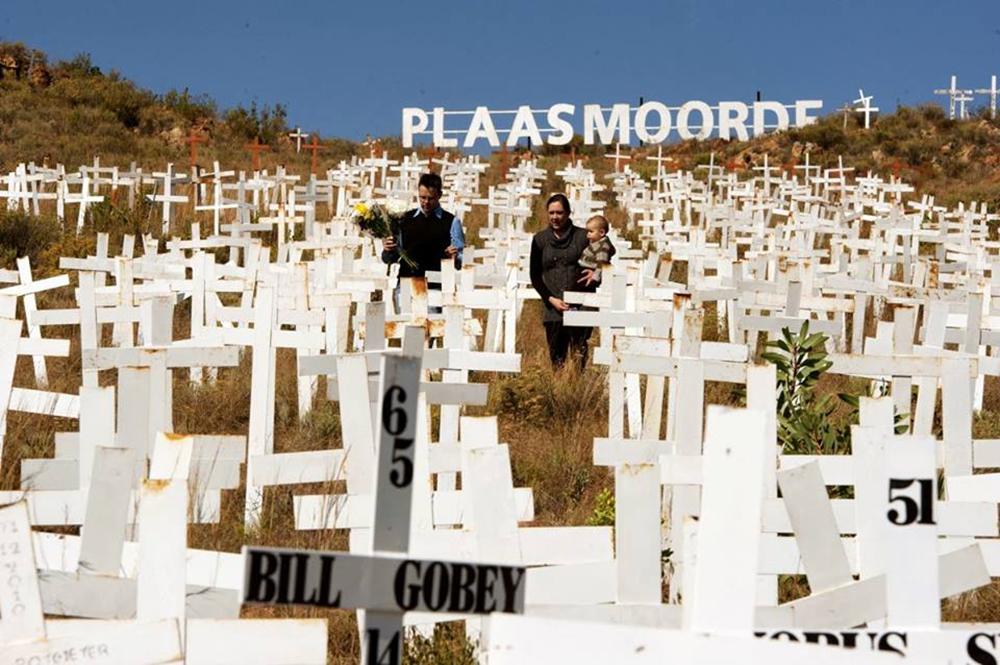
Unraveling the Truth Behind the “White Farmer Genocide” Allegations in South Africa
Origins and Spread of the “White Farmer Genocide” Narrative
The claim that white farmers in South Africa are enduring a targeted “genocide” has proliferated mainly through political rhetoric and viral online content, rather than through solid empirical evidence. While farm attacks are undeniably a serious problem, official crime statistics and independent research do not support the idea of a racially motivated extermination campaign. Violence on farms affects individuals across racial lines, with no credible data indicating a systematic effort aimed solely at white farmers.
Key points to consider:
- South Africa’s high homicide rates affect a wide range of communities, spanning urban centers and rural areas alike.
- Farm attacks constitute a small fraction of the country’s overall violent crime figures.
- Neither government reports nor independent studies have found evidence of organized racial targeting.
- The “white genocide” narrative is often exploited for political leverage or to attract international sympathy.
| Year | Total Farm Attacks | Incidents Involving White Farmers | Percentage of National Homicides |
|---|---|---|---|
| 2021 | 540 | 320 | Approximately 2% |
| 2022 | 510 | 300 | Approximately 1.9% |
Analyzing Crime Statistics and Research on Farm-Related Violence
Data from the South African Police Service (SAPS) alongside independent criminological studies consistently demonstrate that although farm attacks are a genuine concern, framing them as a “genocide” against white farmers is misleading. Farm murders represent a minuscule portion of the country’s total homicides, with victims coming from multiple racial groups. Black farmers, reflecting the demographic composition of rural South Africa, also experience significant levels of violence. The root causes of farm violence are more accurately linked to rural poverty, land ownership disputes, and broader socioeconomic disparities rather than racial extermination.
Findings from recent research include:
- Farm murders make up less than 1% of all homicides nationwide.
- No substantiated evidence points to a coordinated campaign targeting white farmers exclusively.
- Violence in rural communities aligns with national crime patterns affecting all demographics.
- Media and political narratives sometimes amplify isolated incidents without adequate context.
| Category | Annual Incidents | Proportion of National Crime |
|---|---|---|
| Farm Murders (All Races) | 60–70 | 0.5% |
| Total Murders in South Africa | 20,000+ | 100% |
| Violent Crimes in Rural Areas | Varies by region | 15–20% |
Political Motivations Behind the “White Farmer Genocide” Discourse
The narrative of a “white genocide” in South Africa is frequently driven by political agendas both domestically and internationally. Experts note that these claims are often used to evoke strong emotional responses among certain political factions and to justify particular policy positions, especially regarding immigration, land reform, and racial issues. This rhetoric tends to overshadow the broader socioeconomic challenges South Africa faces, including crime that impacts all racial groups.
Political incentives fueling this narrative include:
- Mobilizing conservative and right-wing audiences globally by framing a crisis that may not reflect reality.
- Undermining the legitimacy of South Africa’s post-apartheid government by portraying it as hostile to minority groups.
- Distracting from the complex and multifaceted debates surrounding land redistribution, which involve historical injustices and economic factors.
| Political Actor | Goal | Impact |
|---|---|---|
| International Right-Wing Media | Amplify the narrative to galvanize support | Distorts the realities on the ground in South Africa |
| Opposition Parties within South Africa | Critique ruling party’s land policies | Exacerbates political polarization |
| Advocacy Organizations | Highlight rural crime issues | Promote broader, inclusive discussions beyond racial framing |
Principles for Responsible Reporting on Sensitive Issues
Journalists covering contentious and emotionally charged topics must prioritize accuracy and provide thorough context to prevent the spread of misinformation. Upholding journalistic integrity involves presenting verified data, referencing trustworthy sources, and acknowledging the complex socio-political landscape. Distinguishing between verified facts and unsubstantiated claims is essential to avoid stigmatizing vulnerable groups and escalating tensions.
Recommended ethical journalism practices:
- Confirm information through multiple credible sources before publication.
- Offer historical and demographic context to avoid oversimplification.
- Use neutral, evidence-based language to reduce the risk of inflaming divisions.
- Be transparent about any data limitations or uncertainties.
| Best Practice | Benefit |
|---|---|
| Verify claims with diverse sources | Enhances credibility and curbs misinformation |
| Provide socio-political background | Prevents oversimplification of complex issues |
| Adopt impartial, fact-based language | Minimizes potential for divisiveness |
Final Thoughts: Distinguishing Reality from Rhetoric in South Africa’s Farm Violence Debate
To conclude, while violence against farmers in South Africa is a serious issue warranting attention and intervention, the depiction of these attacks as a state-endorsed “white genocide” is not supported by credible evidence. A thorough review of crime statistics and socio-political factors reveals that such claims often arise from misinterpretations and overlook the broader context of crime and land reform challenges affecting all South Africans. As discussions on land redistribution and social justice continue, it is crucial to ground debates in verified facts rather than fear-based narratives, fostering informed and balanced conversations.