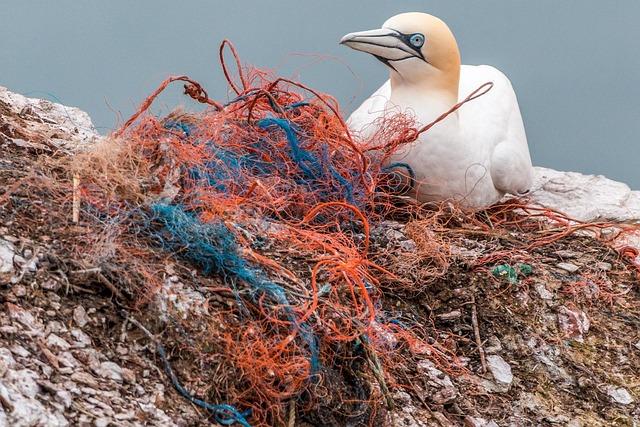
Ocean pollution and marine debris continue to pose significant threats to the health of the world’s oceans, ecosystems, and coastal communities. According to the National Oceanic and Atmospheric Administration (NOAA), vast amounts of plastic waste, chemical contaminants, and other debris end up in marine environments each year, disrupting wildlife and jeopardizing economic activities dependent on clean waters. As these pollutants accumulate, they not only degrade the natural beauty of marine habitats but also contribute to long-term ecological damage. This article explores the latest findings, challenges, and NOAA’s ongoing efforts to combat ocean pollution and protect marine life.
Ocean Pollution Impact on Marine Ecosystems and Coastal Communities
The relentless influx of pollutants into our oceans has caused severe disruptions to marine ecosystems, threatening biodiversity on an unprecedented scale. Toxic substances such as heavy metals, plastics, and chemical runoff degrade water quality and suffocate coral reefs, which serve as vital habitats for countless species. The ingestion and entanglement of marine debris by wildlife have led to alarming declines in fish, seabirds, and marine mammal populations, jeopardizing the delicate balance of food webs and ecosystem services. This degradation also undermines fisheries, damaging livelihoods dependent on healthy oceans.
Coastal communities face direct consequences as ocean pollution intensifies. Contaminated waters jeopardize public health through exposure to harmful bacteria and pollutants, while beach closures and diminished fish stocks affect local tourism and economies. Vulnerable populations often suffer disproportionately, with limited access to clean water and resources to combat environmental hazards. The table below highlights key impacts on marine life and coastal residents:
| Impact | Marine Life | Coastal Communities |
|---|---|---|
| Plastic Ingestion & Entanglement | Injury and death of seabirds, turtles, fish | Reduced fishery yields, economic loss |
| Chemical Contamination | Coral bleaching, reproductive failure | Health risks, unsafe seafood consumption |
| Habitat Destruction | Loss of breeding and nursery grounds | Decline in tourism, cultural impact |
Sources and Types of Marine Debris Threatening Ocean Health
Marine debris primarily originates from both land-based and ocean-based sources, posing a dual threat to marine ecosystems. Urban runoff, sewage systems, and littering contribute significantly to debris washed into coastal waters. From shipping vessels to fishing operations, ocean-based activities also introduce a variety of pollutants directly into the sea. Notably, plastics dominate these pollutants, breaking down slowly and accumulating in vast quantities.
Among the most common types of marine debris are:
- Plastic fragments: microplastics and larger items such as bags and bottles
- Fishing gear: nets, lines, and traps lost or discarded at sea
- Household waste: food wrappers, cigarette butts, and containers
- Industrial materials: packaging, tar balls, and chemicals
| Source | Common Debris | Impact |
|---|---|---|
| Land-Based | Plastic bags, wrappers, cigarette butts | Entanglement and ingestion by wildlife |
| Ocean-Based | Fishing nets, ropes, containers | Ghost fishing and habitat damage |
NOAA Initiatives Tackling Ocean Pollution Through Science and Innovation
Through cutting-edge research and targeted technology, NOAA is spearheading efforts to monitor, reduce, and prevent ocean pollution. These initiatives harness advanced satellite tracking, autonomous underwater vehicles, and real-time data analytics to identify pollution hotspots and quantify marine debris accumulation. By integrating scientific findings with community-driven programs, NOAA fosters collaboration among coastal stakeholders, policymakers, and conservationists, amplifying impact and guiding effective cleanup operations.
NOAA’s innovative strategies emphasize both prevention and remediation, prioritizing sustainable solutions to safeguard marine ecosystems. Key focus areas include:
- Marine debris identification: Utilizing AI-powered image analysis to classify and predict debris trends.
- Microplastic research: Investigating sources, transport mechanisms, and ecological risks.
- Public engagement: Enhancing citizen science platforms for reporting pollution in real time.
- Policy support: Providing scientific evidence to inform legislative actions on waste management.
| NOAA Initiative | Primary Goal | Technology Used |
|---|---|---|
| Marine Debris Program | Reduce shoreline litter | Drone Surveillance |
| Ocean Microplastics Project | Map microplastic distribution | Water Sampling Sensors |
| Citizen Science Platform | Community reporting tools | Mobile Apps & GIS |
Community Actions and Policy Recommendations for Reducing Marine Debris
Addressing marine debris requires strong community engagement backed by effective policy frameworks. Grassroots initiatives, such as local beach clean-ups and educational campaigns, empower citizens to actively participate in preserving ocean health. Collaboration between schools, businesses, and civic organizations fosters a culture of stewardship, reducing single-use plastics and encouraging sustainable consumer habits. Key actions include:
- Organizing regular coastal and river clean-up events
- Promoting reusable alternatives to plastic products
- Implementing public awareness programs on marine litter impacts
- Encouraging community-based monitoring and reporting of debris hotspots
On the policy front, governments must enact and rigorously enforce regulations aimed at reducing marine waste sources. These include bans or taxes on single-use plastics, incentives for eco-friendly packaging, and stringent waste management protocols. A national framework supporting cross-agency coordination ensures systematic debris reduction efforts across land and sea. Below is a summary of effective policy tools:
| Policy Tool | Purpose | Impact |
|---|---|---|
| Plastic Bag Bans | Eliminate single-use bag waste | Decrease in shoreline litter |
| Extended Producer Responsibility | Hold manufacturers accountable for packaging waste | Increased recycling rates |
| Deposit Return Schemes | Incentivize container recycling | Reduction in marine debris |
In Conclusion
In confronting the escalating crisis of ocean pollution and marine debris, NOAA’s comprehensive efforts underscore the urgent need for collective action. As the evidence mounts on the environmental and economic impacts, it becomes clear that safeguarding our oceans requires coordinated policies, innovative solutions, and public commitment. The health of marine ecosystems—and the communities that depend on them—hinges on addressing this challenge head-on. Moving forward, sustained vigilance and global cooperation will be essential in turning the tide against ocean pollution.