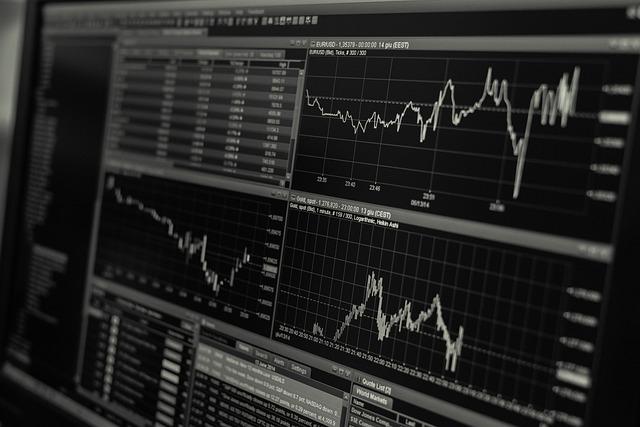
The United States has once again placed South Korea on its currency monitoring list, according to a recent report by Korea JoongAng Daily. This move comes amid ongoing concerns over trade imbalances and currency practices, reflecting the complexities in U.S.-Korea economic relations. The designation signals Washington’s intent to keep close watch on Seoul’s foreign exchange policies, underscoring the broader challenges in maintaining fair trade amid shifting global economic dynamics.
U.S. Retains South Korea on Currency Monitoring Watchlist Amid Trade Concerns
The U.S. Department of the Treasury has elected to maintain South Korea on its currency monitoring watchlist, reflecting ongoing apprehensions related to trade imbalances and currency valuation practices. This decision underscores Washington’s sustained scrutiny of Seoul’s exchange rate policies amid a complex backdrop of global economic uncertainty and bilateral trade dynamics. The monitoring aims to encourage transparency and avoid competitive currency devaluation that might disadvantage American exporters. South Korea’s significant surplus with the U.S. continues to be a focal point of discussions surrounding fair trade practices.
Key factors influencing the watchlist status include:
- Trade imbalance: Persistent U.S. trade deficits with South Korea highlight pressure points in the bilateral relationship.
- Currency intervention concerns: The U.S. evaluates whether South Korea’s policies affect the won’s valuation to maintain export competitiveness.
- Global economic trends: Pandemic recovery phases and inflationary pressures globally impact currency dynamics and monitoring decisions.
| Criterion | Threshold | South Korea Status |
|---|---|---|
| Current Account Surplus | > 2% of GDP | 3.1% |
| Bilateral Trade Surplus with U.S. | > $20 billion | $24.5 billion |
| Significant FX Intervention | Identified | No recent evidence |
Impact of Currency Valuation on Bilateral Economic Relations and Export Competitiveness
Currency valuation plays a pivotal role in shaping the economic dynamics between nations, directly influencing trade balances and competitive positioning. The U.S. decision to maintain South Korea on its currency monitoring list signals ongoing concerns about exchange rate fluctuations potentially impacting bilateral trade relations. A weaker won relative to the dollar could boost Korean exports by making them cheaper in the U.S. market, but it also risks trade tensions as American industries face stiffer competition. Conversely, rapid appreciation of the won might dampen Korea’s export growth, affecting manufacturing sectors reliant on foreign demand.
Maintaining transparency and dialogue around currency policies remains essential to mitigate risks of economic imbalances. Key factors shaping these outcomes include:
- Exchange rate volatility: Creates uncertainty for exporters and importers alike, complicating long-term planning.
- Monetary policy coordination: Ensures alignment that can prevent competitive devaluations.
- Trade surplus pressures: Persistent surpluses may invite scrutiny and adjustments in currency management.
The following table illustrates the recent fluctuations in the USD/KRW exchange rate and export volume changes, highlighting the sensitivity of export competitiveness to currency movements.
| Quarter | USD/KRW Rate | Export Volume Change (%) |
|---|---|---|
| Q1 2023 | 1,200 | +3.1 |
| Q2 2023 | 1,180 | +2.4 |
| Q3 2023 | 1,220 | +1.8 |
| Q4 2023 | 1,210 | +2.0 |
Analysis of South Korea’s Monetary Policies and Potential Adjustments for Compliance
South Korea’s current monetary policy framework has long aimed at balancing export competitiveness with domestic economic stability. However, the U.S. decision to maintain South Korea on its currency monitoring list signals ongoing concerns regarding the won’s valuation and its impact on trade dynamics. The Bank of Korea’s approach to currency intervention has been cautious, often emphasizing macroeconomic fundamentals over aggressive market interference. This measured stance, while contributing to economic steadiness, leaves room for questions about the transparency and timing of interventions amid volatile global conditions.
To address U.S. concerns and ensure compliance with international expectations, South Korea might consider several potential adjustments:
- Enhancing communication strategies to clearly articulate the rationale behind currency operations.
- Implementing more systematic frameworks for intervention to minimize market speculation.
- Increasing collaboration with international monetary authorities for policy consistency.
These steps could help mitigate scrutiny and foster confidence in South Korea’s commitment to fair currency practices. The table below summarizes potential policy shifts and their implications:
| Policy Adjustment | Expected Outcome |
|---|---|
| Transparent Intervention Guidelines | Reduced market uncertainty |
| Regular Reporting to U.S. Treasury | Improved bilateral trust |
| Multilateral Cooperation | Enhanced global economic stability |
Strategic Recommendations for Enhancing Transparency and Strengthening Financial Dialogue
To foster a more transparent economic environment, it is imperative that South Korea continues to expand the scope and frequency of its financial disclosures. This can be achieved by establishing regular public briefings that provide clear insights into currency intervention activities and foreign reserve management. Such proactive communication will build trust with both domestic stakeholders and international counterparts, potentially mitigating concerns that led to Korea’s placement on the currency monitoring list.
Moreover, nurturing a robust financial dialogue with U.S. policymakers requires a multifaceted approach. South Korea should consider:
- Strengthening bilateral committees focused on currency and trade issues to enable timely exchange of information.
- Enhancing real-time data sharing on key economic indicators to facilitate quicker joint assessments.
- Inviting independent third-party audits to further validate currency management practices and assure compliance with global standards.
| Recommendation | Expected Benefit |
|---|---|
| Regular Public Briefings | Enhanced Market Confidence |
| Bilateral Policy Committees | Improved Diplomatic Dialogue |
| Real-Time Data Sharing | Timely Issue Resolution |
| Third-Party Audits | Increased Transparency |
Future Outlook
As the U.S. Treasury continues to monitor South Korea’s currency practices amid broader economic uncertainties, the decision to keep the nation on the monitoring list underscores ongoing concerns about exchange rate policies and trade dynamics. Moving forward, both countries are expected to maintain close communication to address any potential imbalances, with the outlook for currency stability remaining a key focus for policymakers on both sides.