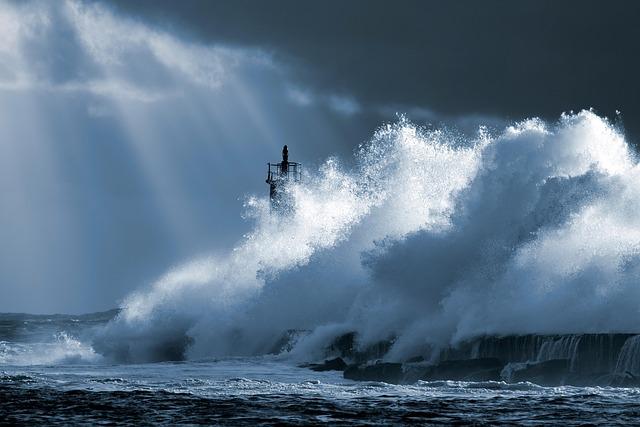
As a formidable winter storm looms on the horizon, the Trump administration is mobilizing resources and coordinating efforts to mitigate its potentially severe impact. With forecasts predicting heavy snowfall, high winds, and hazardous conditions across several states, federal agencies are working closely with state and local governments to ensure preparedness and public safety. This article examines the administration’s response plan as the nation braces for what meteorologists are calling a monster winter storm.
Trump Administration Mobilizes Federal Resources Ahead of Severe Winter Storm
Federal agencies are on high alert as the administration activates emergency protocols to address the incoming winter storm expected to impact multiple states across the Midwest and Northeast. The Department of Transportation has deployed extra crews to monitor highways and keep vital routes open, while the Federal Emergency Management Agency (FEMA) coordinates with state and local governments to pre-position supplies and personnel. Additionally, the National Guard is standing by to assist with potential rescues and clearances.
Preparations include a multi-tiered approach focusing on:
- Power restoration teams mobilized to respond to outages swiftly
- Emergency shelters established in vulnerable areas
- Continuous weather tracking utilizing advanced radar and satellite systems
- Public communication efforts to keep residents informed and safe
| Agency | Role | Resources Deployed |
|---|---|---|
| FEMA | Coordination & Supplies | 500+ personnel, 200 trucks |
| National Guard | Emergency Response | 300 troops, 50 vehicles |
| DOT | Road Maintenance | 150 crews, 100 snow plows |
Critical Infrastructure and Emergency Response Plans Under Scrutiny
The administration’s focus has intensified on ensuring that power grids, water supplies, and transportation networks can withstand the severe conditions anticipated during the upcoming storm. Officials are conducting thorough evaluations of vulnerable pipelines and electrical substations, implementing reinforcement measures, and prioritizing rapid restoration strategies. Coordination between federal agencies, state governments, and private utilities is being enhanced to minimize potential disruptions and safeguard communities reliant on uninterrupted services.
Emergency response units have been strategically positioned across regions forecasted to be hardest hit. Stockpiling essential supplies, increasing staffing levels, and pre-deploying rescue equipment are among the critical steps underway. The administration also emphasizes clear communication channels, deploying advanced technologies, and activating crisis management protocols to streamline response efforts and protect lives and property.
- Power Grid Resilience: Upgrading critical infrastructure components.
- Emergency Stockpiles: Increasing medical and relief supplies at regional hubs.
- Inter-agency Coordination: Enhancing joint operational capabilities.
| Infrastructure Sector | Preparedness Level | Key Action |
|---|---|---|
| Energy | High | Grid reinforcement and monitoring |
| Water | Moderate | Pipe insulation and supply reserves |
| Transport | High | Depot clearing and fuel stockpiling |
Advisories Issued for Vulnerable Communities and Essential Services
The federal government has activated emergency protocols aimed at safeguarding the most vulnerable populations as the monumental winter storm approaches. Authorities have issued urgent advisories for elderly residents, low-income families, and individuals with pre-existing health conditions, urging them to prepare by securing adequate heating sources and stocking essential medications. Local shelters are on high alert, with extended hours and additional capacity to accommodate those displaced or without adequate shelter.
Critical infrastructure providers, including water, power, and emergency response units, have received strict operational guidelines to maintain continuous service during the storm’s peak impact. Key recommendations include:
- Pre-deploying repair crews to high-risk zones
- Ensuring backup power systems are fully functional
- Coordinating closely with hospitals and fire departments for rapid response
| Service | Preparedness Action | Response Time Target |
|---|---|---|
| Power Grid | Pre-positioned repair teams | Within 30 minutes |
| Water Supply | Emergency water distribution points | Within 1 hour |
| Emergency Medical | Increased ambulance availability | Immediate |
Tips for Residents to Stay Safe and Minimize Disruptions During the Storm
Residents are urged to take proactive measures to safeguard their homes and families. Stocking up on essential supplies such as non-perishable food, bottled water, medications, and batteries can prevent unnecessary trips outside during hazardous conditions. It’s crucial to keep flashlights and portable chargers handy in case of power outages. Additionally, avoiding travel during peak storm hours can minimize risk on the roads, as authorities prepare for rapidly deteriorating conditions.
To further reduce disruptions, it’s recommended to:
- Ensure heating systems are serviced and functioning efficiently
- Insulate exposed pipes to prevent freezing
- Keep a car emergency kit ready if travel is unavoidable
- Stay updated with local weather advisories via reliable sources
- Check on neighbors, especially the elderly or vulnerable
| Action | Benefit |
|---|---|
| Stock food and water | Reduces need for outdoor trips |
| Service heating system | Avoid freezing and hypothermia |
| Monitor weather updates | Stay informed for timely action |
To Conclude
As the Trump administration braces for one of the most severe winter storms in recent memory, federal and state agencies are ramping up efforts to mitigate potential impacts on millions of Americans. With preparations underway including resource mobilization and emergency planning, officials urge residents to stay informed and heed weather warnings. The coming days will test the nation’s readiness and resilience as this formidable storm approaches. USA Today will continue to provide timely updates on the evolving situation.