
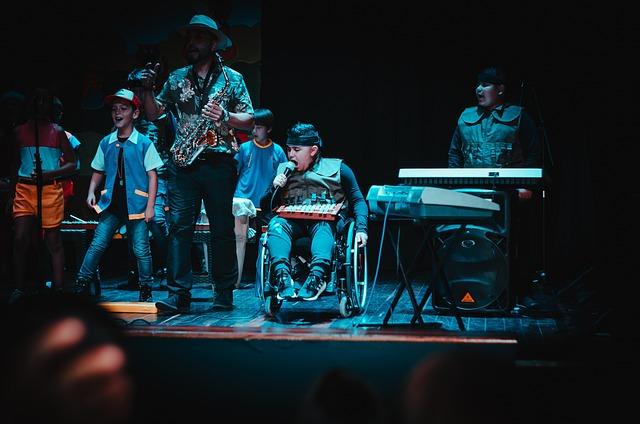
A comprehensive global survey encompassing the views of 40,000 individuals has identified live music as the world’s most favored form of entertainment, according to a recent report released by PR Newswire. This extensive study highlights the enduring appeal and cultural significance of live musical experiences across diverse demographics and regions. As audiences increasingly seek authentic and immersive engagements, the findings underscore live music’s dominant position in the entertainment landscape worldwide.
Global Live Music Surges as Top Entertainment Choice Among 40,000 Survey Respondents
Live music has surged ahead as the preferred entertainment choice for people around the world, according to an extensive survey involving 40,000 respondents spanning multiple continents. The findings reveal a remarkable global consensus that nothing rivals the immersive experience of attending live concerts, festivals, and intimate venue performances. This preference transcends age groups and musical genres, highlighting live music’s unique ability to foster social connection, cultural expression, and emotional resonance.
Key takeaways from the survey emphasize:
- Engagement: Over 70% of participants rated live music as their top entertainment for emotional impact.
- Diversity: Genres from classical symphonies to underground indie scenes enjoyed robust followings.
- Technology impact: While digital streaming remains popular, the desire for communal live experiences continues to grow.
| Region | Live Music Preference (%) | Streaming Entertainment Preference (%) |
|---|---|---|
| North America | 68% | 55% |
| Europe | 72% | 49% |
| Asia-Pacific | 75% | 53% |
| Latin America | 80% | 45% |
Demographic Trends Reveal Diverse Preferences and Rising Demand for Concert Experiences
Across the globe, shifting demographics are shaping the landscape of live music consumption, highlighting an increasingly varied palette of preferences among concertgoers. Younger generations, especially Gen Z and Millennials, are gravitating towards immersive and interactive experiences that blend technology and artistry. Meanwhile, older audiences continue to value nostalgia-driven performances and intimate venues. This dynamic mix is propelling demand in multiple sectors of the concert industry, from large-scale festivals to boutique live shows, reflecting a broad spectrum of cultural tastes and social experiences. Key factors driving this evolution include:
- Technological integration like augmented reality and enhanced sound systems
- Genre diversity that spans beyond mainstream pop to indie, electronic, and classical fusions
- Increased community and social elements embedded within live events
Regional data from the survey illustrate how preferences vary notably by age and cultural background, influencing concert attendance and spending patterns. For example, urban dwellers in their 20s and 30s show a strong inclination towards experimental and emerging artists, whereas suburban and rural audiences tend to support traditional acts with established followings. The following table summarizes these insights, capturing essential trends by demographic categories that promoters and event organizers can leverage to tailor offerings effectively:
| Demographic | Preferred Concert Experience | Notable Trend |
|---|---|---|
| Gen Z (18-24) | Interactive, genre-blending festivals | High engagement with digital tie-ins |
| Millennials (25-39) | Intimate and premium acoustic shows | Willingness to spend on VIP access |
| Gen X (40-54) | Legacy artist tours and classic venues | Preference for nostalgia and comfort |
| Baby Boomers (55+) | Symphonies and established performers | Higher frequency of attendance |
Economic Impact and Industry Growth Driven by Live Music Popularity Worldwide
Live music’s soaring popularity has triggered significant economic momentum across global markets, with industries spanning from tourism to technology witnessing unprecedented growth. Cities renowned for their vibrant concert scenes report a surge in hospitality revenues, creating thousands of jobs and bolstering local economies. Music festivals and live events act as powerful catalysts, generating billions annually through ticket sales, merchandise, and ancillary services. This economic ripple effect extends beyond venues, influencing transportation, food and beverage sectors, and event production companies worldwide.
The industry’s expansion is further underscored by quantitative data illustrating key growth drivers:
- Direct Spending: Billions generated yearly on live performances and associated experiences.
- Employment: Millions of jobs supported globally, ranging from artists to event planners.
- Tourism Impact: Increased visitor numbers linked to major music events, fostering local business growth.
| Region | Annual Live Music Revenue | Job Creation (in thousands) |
|---|---|---|
| North America | $15B | 520 |
| Europe | $12B | 470 |
| Asia-Pacific | $9B | 350 |
| Latin America | $4B | 150 |
Recommendations for Event Organizers to Enhance Audience Engagement and Safety Measures
Boosting audience engagement and ensuring safety at live music events demands a strategic blend of innovation and meticulous planning. Event organizers should prioritize interactive elements such as personalized app experiences, real-time social media integration, and dynamic stage setups that encourage crowd participation. Equally important is the deployment of clear signage, trained staff, and crowd monitoring technologies to maintain secure environments. By leveraging technology alongside traditional engagement methods, organizers can create memorable experiences that captivate diverse audiences without compromising safety.
- Interactive Mobile Apps: Provide setlists, artist bios, and instant feedback options.
- Advanced Security Protocols: Use biometric screening and AI-powered surveillance for crowd management.
- Enhanced Venue Layouts: Design spacious areas to prevent congestion and enable smooth evacuations.
- Emergency Preparedness: Conduct staff drills and communicate clear evacuation procedures to attendees.
| Engagement Strategy | Safety Feature | Expected Impact |
|---|---|---|
| Live Polling and Q&A | Entrance Metal Detectors | Increased Interaction and Reduced Risk |
| Augmented Reality Experiences | On-site Medical Teams | Immersive Engagement and Swift Response |
| Social Media Walls | Crowd Density Sensors | Real-time Feedback and Prevented Overcrowding |
Concluding Remarks
In conclusion, the global survey of 40,000 respondents underscores live music’s unparalleled appeal as the world’s favorite form of entertainment. As audiences continue to seek authentic and communal experiences, the enduring popularity of live performances highlights the integral role music plays in connecting people across cultures and generations. Industry stakeholders and artists alike can look to these findings as a clear indicator of the vibrant future of live entertainment in an ever-evolving leisure landscape.