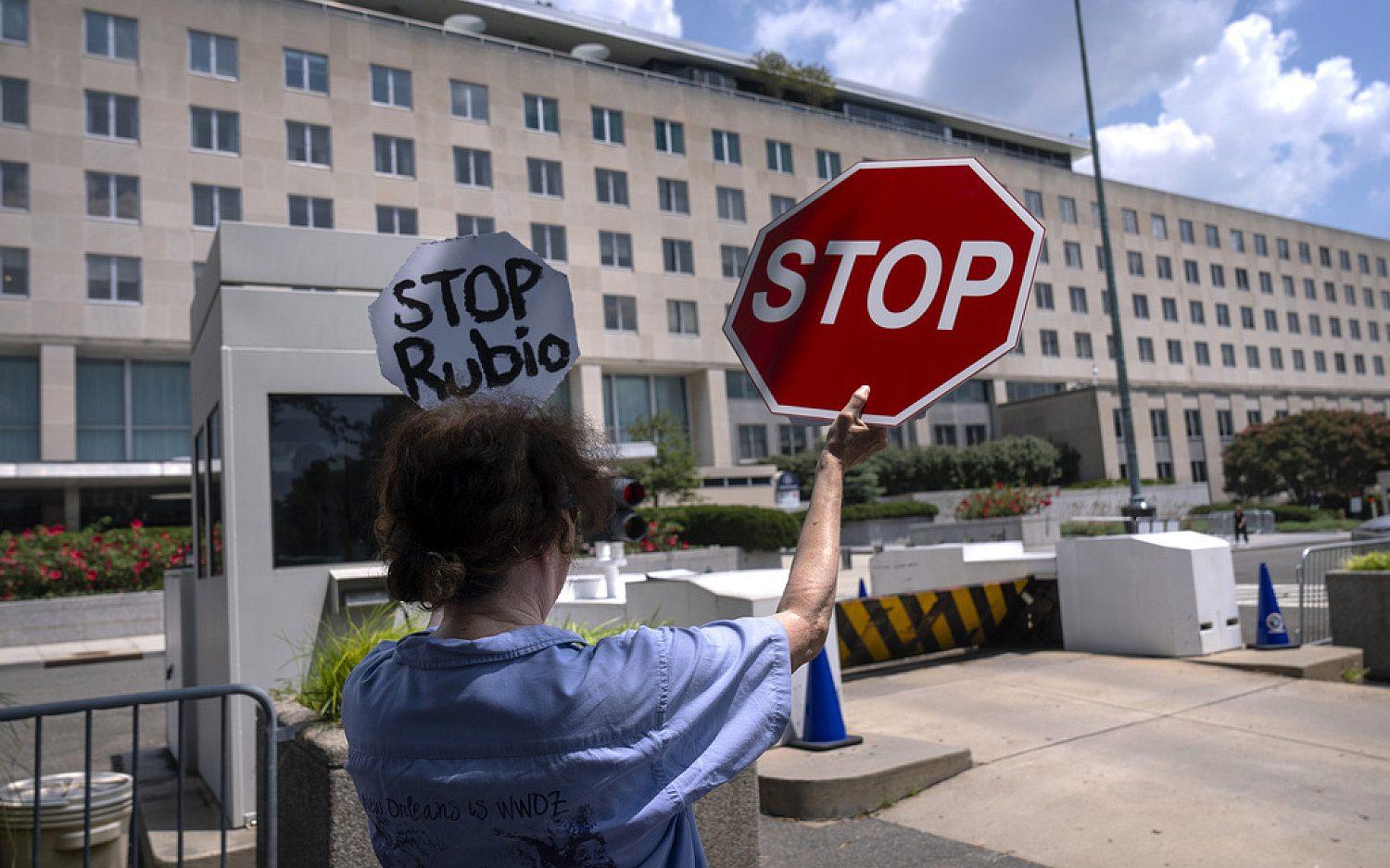
The recent announcement of layoffs within the U.S. State Department has sparked concern among economists and industry leaders alike, highlighting potential ripple effects beyond government operations. As the department scales back its workforce, experts warn that these cuts could undermine American companies’ capacity to compete on the global stage. In this article, an economist breaks down how reductions in diplomatic and trade support may hinder U.S. businesses’ access to international markets, weaken critical partnerships, and ultimately impact the nation’s economic standing worldwide.
State Department Layoffs Threaten Diplomatic Support for US Businesses Abroad
Recent reductions in diplomatic staff are raising serious concerns about the U.S. government’s ability to maintain crucial support networks for American businesses overseas. These cutbacks risk weakening the strategic infrastructure that helps U.S. companies navigate foreign regulations, resolve trade disputes, and foster local partnerships. Without a strong diplomatic presence, firms may find it increasingly difficult to compete with foreign companies backed by more robust government support, potentially ceding market share in vital regions such as Asia and Europe.
Economists highlight several key functions that could be jeopardized by these layoffs, including:
- Trade advocacy: Diplomatic personnel often act as frontline advocates, promoting fair trade practices and negotiating on behalf of U.S. businesses.
- Market intelligence gathering: Real-time information on regulatory changes and economic trends is essential for strategic decision-making abroad.
- Risk mitigation: Diplomats help companies anticipate and manage geopolitical risks that could disrupt supply chains or inflate costs.
| Function | Impact of Layoffs | Potential Consequence |
|---|---|---|
| Trade Advocacy | Reduced presence in key markets | Weakened negotiating leverage |
| Market Intelligence | Delayed or incomplete data | Poor strategic planning |
| Risk Mitigation | Less proactive conflict management | Increased operational disruptions |
Economic Risks of Reduced Global Engagement on American Competitiveness
The reduction in State Department personnel threatens to disrupt critical diplomatic channels that American firms rely on to enter and expand in foreign markets. Without adequate support, U.S. companies may struggle to navigate complex regulatory environments or negotiate trade deals effectively, putting them at a significant disadvantage compared to foreign competitors backed by robust government engagement. This setback could lead to decreased export opportunities, slower innovation exchanges, and diminished influence in shaping international economic policies.
Economists warn that the ripple effects could extend beyond immediate trade concerns. A strategic disengagement risks causing long-term economic damage, as American businesses lose footholds in emerging markets and fail to keep pace with global supply chain shifts. Below is a snapshot of potential consequences for different sectors:
| Sector | Impact | Risk Level |
|---|---|---|
| Technology | Reduced intellectual property protections abroad | High |
| Manufacturing | Increased tariffs and barriers | Medium |
| Agriculture | Loss of export subsidies and trade advocacy | High |
- Global supply chain disruption: Without diplomacy-led coordination, supply chains may fragment, raising costs for U.S. companies.
- Weakened innovation networks: Reduced cooperation with international partners can stifle joint research and development.
- Geopolitical influence decline: Economic disengagement often results in loss of leverage in international policy forums.
How Cuts to Foreign Service Personnel Undermine Trade Negotiations
Reductions in the ranks of Foreign Service personnel create significant gaps in expertise and local knowledge critical for navigating complex trade negotiations. These diplomats act as the frontline negotiators who understand the political and economic nuances of partner countries, providing real-time insights that automated data or distant officials cannot replicate. Without their presence, the U.S. risks losing influence in shaping agreements that protect American companies’ interests abroad, especially in emerging markets where relationship-building is key.
The domino effect of these cuts extends beyond immediate talks. Trade negotiation success depends on continuity, trust, and cultural fluency, qualities cultivated by experienced Foreign Service officers stationed overseas. The absence of seasoned diplomats can delay deal-making, weaken enforcement mechanisms, and reduce the ability to anticipate and mitigate foreign policy risks. This translates into less favorable terms for U.S. exporters and diminished competitiveness on the global stage, directly impacting the bottom lines of American businesses.
- Loss of on-site expertise: Less ability to accurately assess partner nations’ intentions.
- Weakened relationships: Reduced face-to-face diplomacy undermines trust.
- Slower negotiations: Fewer personnel mean prolonged deal timelines.
- Increased risk: Less proactive risk identification and conflict resolution.
| Impact Area | Effect of Personnel Cuts |
|---|---|
| Diplomatic Presence | Reduced local engagement |
| Trade Agreement Quality | Less favorable deal terms |
| Negotiation Speed | Longer timelines |
| Risk Management | Weakened early warning |
Strategies for Mitigating Impact and Strengthening International Business Relations
In light of the recent workforce reductions at the State Department, U.S. companies must pivot quickly to preserve their edge in the global marketplace. One key approach involves reinforcing public-private partnerships to fill the diplomatic engagement void left by layoffs. By collaborating closely with trade associations and chambers of commerce, businesses can access critical market insights and maintain advocacy channels abroad. Efforts should also focus on leveraging digital diplomacy tools—virtual trade missions, online forums, and AI-driven market analytics—to sustain international negotiations and relationship-building without the full complement of diplomatic staff.
Another vital strategy requires diversifying international networks beyond traditional state channels. Multinational corporations and exporters can turn to:
- Regional economic blocs and local business councils to champion their interests
- Third-party facilitation services specializing in cross-border dispute resolution and regulatory navigation
- Grassroots diplomacy initiatives that engage local communities and influence foreign stakeholder perceptions
These alternatives not only augment limited government outreach but also build a more resilient framework for sustaining international cooperation, critical for long-term competitive advantage.
To Conclude
As the State Department faces potential layoffs, experts warn that the ripple effects could extend far beyond the agency itself. Economists emphasize that a reduced diplomatic workforce may undermine the United States’ capacity to support its companies abroad, potentially ceding ground to global competitors. In an interconnected world where economic and diplomatic efforts are increasingly entwined, the stakes for maintaining robust international engagement have never been higher. Policymakers will need to weigh these broader implications carefully as they navigate budget decisions impacting the State Department’s future.