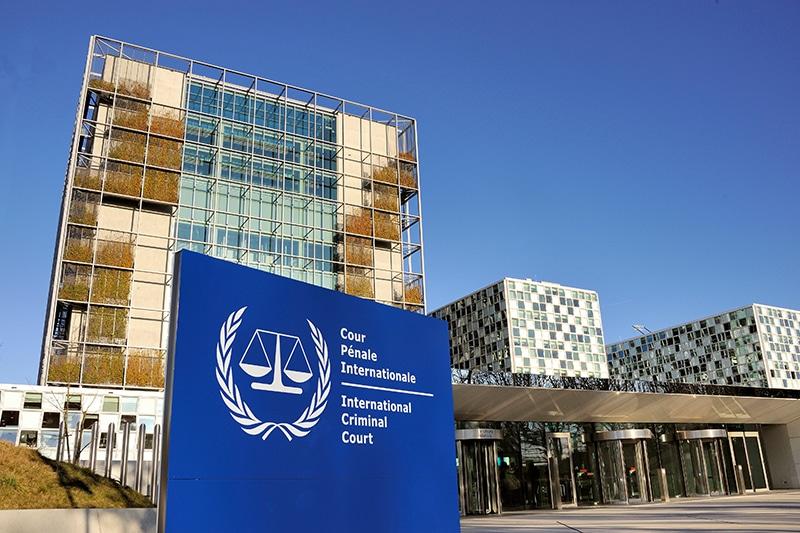
The White House has announced a series of sanctions targeting the International Criminal Court (ICC), marking a significant escalation in tensions between the United States and the global tribunal. This unprecedented move comes amid ongoing disputes over the ICC’s investigations into alleged war crimes involving American personnel abroad. The sanctions underscore Washington’s rejection of the court’s jurisdiction and raise critical questions about international justice and diplomatic relations. This article examines the motivations behind the White House’s decision, its potential impact on the ICC, and the broader implications for the international legal order.
Imposing Sanctions on the International Criminal Court The White House Response and Rationale
The White House has formally announced a series of sanctions targeting officials of the International Criminal Court (ICC), citing concerns related to U.S. personnel and allies. This unprecedented move marks a sharp deterioration in relations, emphasizing a defense of sovereign immunity and a rejection of what the administration describes as overreach by an international tribunal. The sanctions include visa restrictions and financial asset freezes, specifically aimed at ICC prosecutors and judges involved in investigations perceived as politically motivated. Officials argue that such probes undermine U.S. national security and diplomatic interests, particularly regarding military personnel stationed abroad.
Among the key points outlined in the White House rationale are:
- Protecting American sovereignty and shielding U.S. citizens from extraterritorial prosecution
- Signaling strong opposition to perceived bias in ICC investigations targeting allied nations
- Preserving diplomatic leverage by deterring actions that could inhibit military operations
| Sanction Type | Target Group | Impact |
|---|---|---|
| Visa Restrictions | ICC Judges and Prosecutors | Bans U.S. entry |
| Asset Freezes | Individuals linked to ICC investigations | Freezes U.S.-based assets |
Impact of Sanctions on US International Relations and Global Justice Efforts
Sanctions targeting the International Criminal Court (ICC) have introduced complex dynamics into the fabric of US international diplomacy. These measures have elicited both praise and criticism from global stakeholders, affecting bilateral ties and multilateral cooperation. Countries aligned with US policies have expressed support, viewing the sanctions as a defense of national sovereignty against overreach. Conversely, many allies perceive these actions as undermining the pursuit of international justice, raising concerns about the US commitment to upholding global norms and legal accountability.
Key repercussions include:
- Strained relationships with traditional allies advocating for ICC-led justice initiatives.
- Heightened tensions in diplomatic engagements involving human rights discussions.
- Reduced leverage in coalition-building for international peacekeeping efforts.
| Impact Area | Positive Outcome | Negative Outcome |
|---|---|---|
| Diplomatic Relations | Support from sovereignty-focused states | Fractured ties with ICC proponents |
| Global Justice | Protection of US personnel from prosecution | Perception of obstructing accountability |
| International Cooperation | Strengthened control in select negotiations | Weakened multilateral partnerships |
Legal and Diplomatic Challenges Surrounding Sanctions on the ICC
The imposition of sanctions on the International Criminal Court (ICC) has ignited a complex web of legal controversies and diplomatic strains. Central to the dispute is the question of jurisdiction: critics argue that sanctioning a judicial entity established by multilateral treaties challenges the principle of sovereignty and undermines international law’s foundational norms. Such moves raise concerns about respect for treaty obligations and generate debates on whether unilateral sanctions violate the ICC’s independent mandate, which is protected under the Rome Statute.
Diplomatically, these sanctions have strained relations not only between the involved countries but also within the broader international community. Key issues include:
- Alliance fractures: Diverging stances on the ICC have led to tensions among allies, complicating cooperation on global justice initiatives.
- Retaliatory risks: Sanctions open the door to reciprocal measures, potentially destabilizing broader geopolitical ties.
- Institutional integrity: Pressure on the ICC threatens its ability to function free from political interference, raising questions about the future of international criminal accountability.
| Legal Challenge | Diplomatic Impact |
|---|---|
| Conflict with Rome Statute obligations | Strained bilateral relations |
| Questions over extraterritorial jurisdiction | Reduced trust among international partners |
| Potential breach of UN principles | Weakened multilateral cooperation |
Strategic Recommendations for Balancing Accountability and National Interests
Ensuring accountability within the scope of international justice must be carefully aligned with the protection of national sovereignty and security priorities. Policymakers are urged to pursue frameworks that maintain robust oversight of international bodies like the ICC, without compromising the strategic interests of the United States. Key measures should include:
- Selective engagement: Collaborate with the ICC on cases that align with U.S. justice and security goals, while resisting initiatives that pose politically motivated risks.
- Strengthened diplomatic channels: Utilize bilateral and multilateral diplomacy to influence ICC procedures, emphasizing transparency and fairness.
- Enhanced legal safeguards: Implement domestic legislation to protect U.S. personnel and allies from unwarranted ICC interventions.
To contextualize these recommendations, consider the following comparative overview of national interest versus accountability imperatives:
| Strategic Focus | Accountability Risk | Potential Benefit |
|---|---|---|
| Unrestricted ICC Cooperation | Compromise of sensitive operations | Enhanced global justice credibility |
| Targeted Sanctions on ICC Officials | Escalation of diplomatic tensions | Deterrence of overreach and bias |
| Legislative Protections for Nationals | Legal conflicts with international mandates | Preservation of sovereignty and individual rights |
Wrapping Up
In summary, the White House’s decision to impose sanctions on the International Criminal Court marks a significant escalation in tensions between the United States and the global judicial body. This move underscores Washington’s continued resistance to the ICC’s investigations involving American personnel and allies, raising complex questions about international justice, sovereignty, and diplomatic relations. As the situation develops, the global community will be watching closely to see how these sanctions impact the court’s operations and the broader pursuit of accountability on the world stage.