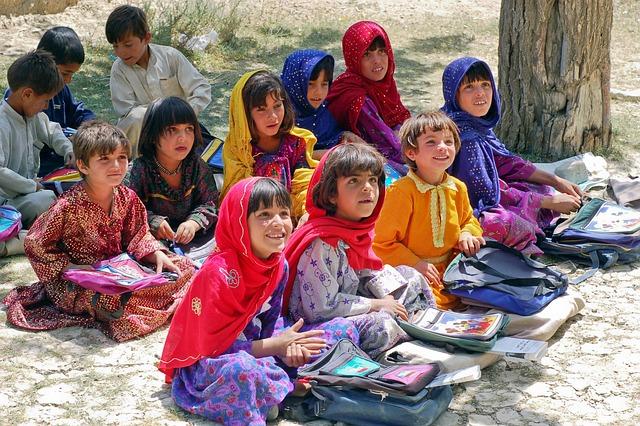
In a devastating setback for human rights and gender equality, Afghanistan’s recent education ban on girls has sparked international outrage, with UNICEF USA raising urgent alarms about the profound consequences. This sweeping prohibition not only disrupts the academic pursuits of millions of Afghan girls but also threatens to erase decades of progress in female education, jeopardizing their futures and the country’s path toward development. As the global community watches closely, experts warn that denying girls access to education risks entrenching cycles of poverty and inequality, undermining Afghanistan’s long-term prospects for stability and growth.
Afghanistan’s Education Ban Deepens Gender Inequality and Social Divide
Amid the ongoing prohibition on female education in Afghanistan, the country faces an alarming setback in its pursuit of equality and social progress. Denying girls access to schooling not only restricts individual futures but widens the societal chasm, entrenching norms that favor exclusion and discrimination. The consequences reach far beyond classroom walls, fueling a cycle where economic hardship and limited opportunities become the standard for half the population. As education remains a key driver for empowerment, the ban threatens to undo years of advancement for Afghan women and girls.
The impact of this ban permeates multiple dimensions:
- Economic stagnation: A less educated workforce undermines national development and reduces household incomes, especially for women-led families.
- Health challenges: Education correlates strongly with improved maternal and child health outcomes, which are now at heightened risk.
- Social fragmentation: Gender disparity in education fuels greater inequality and limits dialogue across communities, aggravating divisions.
| Indicator | Before Ban | After Ban |
|---|---|---|
| Girls Enrolled in School | 3.7 Million | 0 (Estimated) |
| Female Literacy Rate | 30% | Projected Decline |
| Women in Workforce | 19% | Expected Drop |
The Devastating Impact on Girls’ Mental Health and Long-Term Economic Prospects
The prohibition on girls attending school in Afghanistan has deeply eroded their mental well-being. Young girls are left isolated, deprived of the social connections and intellectual stimulation that education provides. This abrupt halt to their academic journey fuels anxiety, depression, and a pervasive sense of hopelessness. According to reports from mental health professionals, the persistent uncertainty and lost opportunities trigger long-term psychological trauma that may take generations to heal.
Moreover, the ban on education severely limits girls’ future economic prospects, perpetuating cycles of poverty and inequality. Without foundational literacy and skills, these young women face insurmountable barriers entering the workforce, leading to:
- Decreased earning potential
- Higher unemployment rates
- Limited participation in entrepreneurship and leadership roles
| Scenario | Projected Impact |
|---|---|
| With Education | Increased GDP contribution by 20% |
| Without Education | Up to 50% higher poverty risk |
The compounded effects not only stunt personal growth but also weaken Afghanistan’s socio-economic fabric, undermining hopes for a stable and prosperous future.
UNICEF Urges Global Action to Reinstate Educational Access for Afghan Girls
UNICEF’s urgent appeal highlights a distressing crisis: over 3.7 million Afghan girls are currently barred from attending school due to policies implemented by the de facto authorities. This exclusion not only undermines their right to education but also jeopardizes their future prospects, perpetuating cycles of poverty and social inequality. UNICEF stresses that education is a fundamental human right and a critical driver for peace and development, urging international stakeholders to pressure for immediate reversal of these restrictive measures.
The impact of the ban extends beyond individual students, affecting entire communities and the country’s socio-economic fabric. According to recent UNICEF data:
| Metric | Before Ban | After Ban |
|---|---|---|
| Girls enrolled in secondary education | 3.7 million | Almost zero |
| Female literacy rate | 30% | Expected decline |
| Women in workforce | 17% | Projected decrease |
- Call for Global Solidarity: Governments and civil society must unite to advocate for girls’ schooling rights.
- Investment in Alternative Learning: Support for remote and informal education programs is critical to reach excluded girls.
- Monitoring and Reporting: Continuous tracking of educational access is necessary to hold authorities accountable.
Recommendations for International Stakeholders to Support Inclusive Learning Initiatives
To effectively counter the devastating impact of Afghanistan’s education ban on girls, international stakeholders must prioritize sustained financial support targeted at reopening schools and innovating remote learning solutions. Collaborative funding from governments, NGOs, and private sectors can enable the establishment of safe learning environments that circumvent prevailing restrictions. Additionally, empowering local organizations with capacity-building initiatives will enhance their ability to advocate and implement inclusive educational programs tailored to cultural contexts. Crucially, diplomatic pressure paired with humanitarian aid ensures the continuity and expansion of education rights for all children, particularly girls deprived of basic access.
A strategic framework for intervention can be visually summarized as follows:
| Stakeholder | Action | Expected Impact |
|---|---|---|
| Governments | Implement sanctions; fund education programs | Sustained pressure for policy change |
| International NGOs | Deploy mobile education units; train local educators | Expanded access to learning sites |
| Private Sector | Invest in EdTech; sponsor scholarships | Innovative, flexible learning methods |
| Local Communities | Promote girls’ schooling; monitor compliance | Ground-level momentum for educational equity |
Ultimately, a unified approach that addresses economic, political, and cultural barriers will forge a resilient path toward restoring learning opportunities. Maintaining an unwavering focus on girls’ education as a fundamental human right is essential. International actors must continuously innovate and adapt their strategies to ensure that inclusive learning is not a distant hope but an accessible reality for every Afghan girl.
Closing Remarks
As Afghanistan’s education ban on girls continues to strip away opportunities, the future of an entire generation hangs in the balance. Organizations like UNICEF USA persist in calling for urgent action to restore access to education, underscoring that denying girls their right to learn is not only a violation of human rights but a setback to the country’s social and economic progress. The international community must maintain pressure and support to ensure that every Afghan girl can envision—and realize—a future filled with promise and possibility.