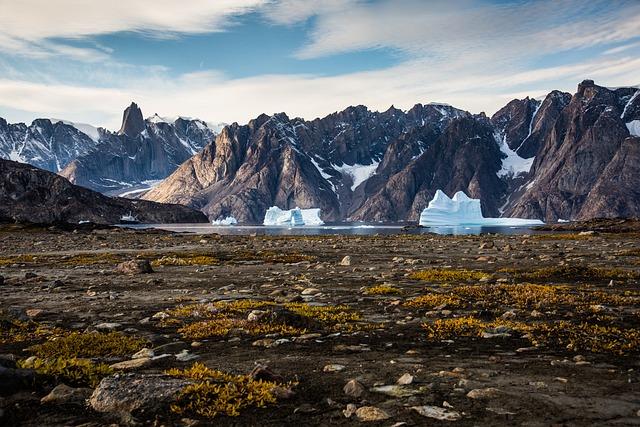
A senior U.S. official has indicated that forthcoming actions regarding Greenland could be announced within “weeks or months,” signaling a potential shift in American policy toward the strategically important Arctic territory. This development highlights the growing geopolitical interest in Greenland, as the United States weighs its options amid increasing global competition in the region. Details on the nature of the planned measures remain closely guarded, but officials suggest that Washington’s moves may impact its relationship with both Greenland and Denmark, which has sovereignty over the island.
US Plans for Greenland Highlight Strategic Geopolitical Interests
The US government is preparing to accelerate initiatives focusing on Greenland, a move that underscores the island’s rising importance in global strategy. According to a senior official, actions could be set in motion within weeks or months, reflecting growing concerns over Arctic sovereignty and resource access amid intensifying competition from Russia and China. Washington’s interest aligns with Greenland’s untapped natural resources, its pivotal location for military installations, and emerging Arctic shipping routes that promise to redefine international trade dynamics.
Key elements driving US plans include:
- Enhanced military presence: Potential expansion of existing bases to secure US defense interests.
- Energy exploration: Partnerships targeting rare earth minerals and fossil fuels critical for technological industries.
- Climate and scientific research collaborations: Capitalizing on Greenland’s unique environment to advance Arctic studies.
The following table illustrates Greenland’s strategic advantages compared to other Arctic locations:
| Aspect | Greenland | Other Arctic Territories |
|---|---|---|
| Military Infrastructure | Established radar bases, room for expansion | Limited or remote |
| Natural Resources | Rich in minerals & fossil fuels | Varies, generally less accessible |
| Geopolitical Position | Proximity to North America & Europe | Often farther from key trade routes |
Environmental and Economic Implications of Potential US Actions in Greenland
Potential U.S. moves to engage more deeply with Greenland could trigger significant environmental ripples. Greenland’s fragile ecosystem, known for its vast ice sheets and unique biodiversity, is already vulnerable to climate change. Increased political or economic activities risk accelerating ice melt and disrupting native wildlife habitats. Environmental advocates emphasize the need for any forthcoming actions to incorporate stringent sustainability measures, ensuring that the island’s ecological balance remains intact amid strategic developments.
From an economic standpoint, Greenland presents both opportunities and challenges. The island is rich in untapped natural resources such as rare earth minerals and offshore oil reserves that could bolster U.S. supply chains and energy independence. However, such exploitation must be weighed against costs including infrastructure development, local community impact, and geopolitical tensions with nearby powers. Below is a snapshot of the potential economic benefits weighed against key environmental concerns:
| Potential Economic Benefits | Environmental Concerns |
|---|---|
| Access to rare earth minerals | Accelerated ice sheet melting |
| Expansion of renewable energy projects | Disruption to native wildlife and fisheries |
| Boost to local Greenlandic economy | Increased carbon footprint from development |
- Strategic resource extraction could reduce U.S. reliance on global supply chains.
- Infrastructure upgrades necessary for economic growth may pose risks to pristine landscapes.
- Collaboration with local communities is essential to balance progress with tradition and conservation.
Analysis of Diplomatic Reactions from Denmark and Greenland Officials
The announcement by the US official about Greenland’s potential strategic developments has elicited a swift and calculated response from both Danish and Greenlandic authorities. Danish officials emphasized the need for continued dialogue, underscoring the importance of respecting Greenland’s autonomy while maintaining the Kingdom of Denmark’s overarching sovereignty. Denmark’s foreign ministry issued a statement highlighting the significance of multilateral agreements and close communication to ensure that any US action considers the geopolitical sensitivities involved.
Simultaneously, Greenlandic leaders expressed cautious optimism balanced with concerns over sovereignty and environmental impacts. The Naalakkersuisut government outlined key priorities:
- Ensuring local governance: Protecting Greenland’s decision-making powers in any foreign engagement.
- Economic opportunities: Evaluating potential benefits for Greenlandic communities linked to US interests.
- Environmental stewardship: Addressing the delicate Arctic ecosystem in light of increased activity.
| Stakeholder | Primary Concern | Official Stance |
|---|---|---|
| Denmark | Preservation of sovereignty | Calls for dialogue and respect for the kingdom’s unity |
| Greenland | Autonomy and local benefits | Supports engagement if conditions protect self-rule and environment |
| United States | Strategic Arctic presence | Proceeding with discussions; timeframe “weeks or months� |
Recommendations for Stakeholders Navigating the Evolving US-Greenland Relationship
As developments between the US and Greenland accelerate, it is vital for stakeholders to maintain agility and clarity in their strategies. Industry leaders and policymakers should prioritize building robust communication channels with both American and Greenlandic officials to ensure alignment on geopolitical and economic goals. Additionally, understanding the nuanced interests of Greenland’s local government can foster collaboration and preempt potential conflicts. Experts recommend continuous monitoring of legislative changes and strategic initiatives announced from both nations to anticipate shifts and respond decisively.
Moreover, stakeholders are advised to prepare for dynamic shifts in resource management, infrastructure investment, and security arrangements by embracing a flexible operational approach. Key focus areas include:
- Environmental sustainability: Integrate climate impact considerations to align with Greenland’s ecological priorities.
- Economic diversification: Explore opportunities beyond natural resources, including tourism and renewable energy projects.
- Security coordination: Anticipate increased American military presence and adapt local frameworks accordingly.
| Stakeholder Group | Primary Focus | Recommended Action |
|---|---|---|
| Government Officials | Policy Alignment | Engage in high-level dialogues and draft adaptive policies |
| Business Sector | Investment Security | Conduct risk assessments and diversify investments |
| Local Communities | Social Impact | Participate in consultations and safeguard cultural heritage |
Key Takeaways
As discussions continue to unfold, the possibility of significant US actions regarding Greenland appears increasingly imminent. With officials indicating that steps could be taken within weeks or months, stakeholders and observers alike will be closely monitoring developments that may reshape strategic and geopolitical dynamics in the Arctic region. Further updates are expected as the situation evolves.