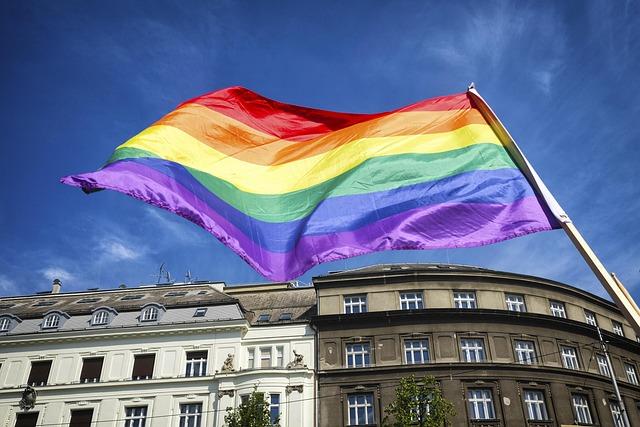
Federal officials appointed during the Trump administration have intensified pressure on Minnesota regarding policies that allow transgender athletes to participate in sports consistent with their gender identity. The move highlights ongoing national debates over transgender rights in school athletics, as the federal government scrutinizes state guidelines for potential conflicts with federal civil rights laws. This latest development underscores the growing political and legal battles surrounding transgender participation in sports across the United States.
Trump Officials Escalate Pressure on Minnesota Lawmakers Over Transgender Sports Participation
Senior figures from the Trump administration have intensified their campaign to influence Minnesota’s stance on transgender athletes competing in school sports. The officials have ramped up communications with state lawmakers, urging immediate legislative action to restrict transgender girls from participating in girls’ sports teams. Citing concerns about fairness and competitive balance, the pressure includes public statements, official letters, and a coordinated media effort emphasizing the need to protect women’s sports. These moves coincide with broader national debates on gender identity policies within educational athletics.
Lawmakers in Minnesota now face mounting demands to respond amid a growing divide between advocacy groups and conservative voices. Supporters of transgender inclusion argue the policies promote equality and mental health benefits for LGBTQ+ youth, while critics focus on integrity in competitive sports. To illustrate the key stakeholders and their positions, the table below summarizes the main arguments each side presents:
| Stakeholders | Primary Concerns | Position |
|---|---|---|
| Trump Officials | Fairness in competition | Restrict transgender sports participation |
| State Lawmakers | Legal and social implications | Divided; exploring legislation |
| LGBTQ+ Advocates | Inclusion and mental health | Support transgender athletes |
| Sports Organizations | Rules enforcement and safety | Varied; seeking clear guidelines |
Legal and Political Implications of Minnesota’s Transgender Athlete Policies
The recent push by Trump administration officials to challenge Minnesota’s policies regarding transgender athletes has ignited a fierce legal and political storm. At the heart of the controversy lies a conflict between state autonomy and federal oversight, with the Justice Department asserting that Minnesota’s rules may violate Title IX protections against sex discrimination. Advocates argue these policies ensure fairness in women’s sports by restricting transgender female athletes’ participation, while critics contend they discriminate against transgender youth, potentially infringing constitutional protections under the Equal Protection Clause. The legal battleground is expected to set precedents influencing similar policies nationwide.
Politically, the debate has deepened partisan divides, with Republican lawmakers endorsing stricter criteria for transgender athlete eligibility, framing the issue as a matter of competitive integrity. Meanwhile, Democratic leaders warn of the harmful societal consequences such restrictions could inflict on transgender individuals’ rights and mental health. Key points of contention include:
- Federal intervention vs. state rights: The extent of the federal government’s authority to override state educational policies.
- Title IX interpretations: Whether transgender protections fall within existing anti-discrimination laws.
- Impact on transgender youth: Access to sports as essential to physical health and social inclusion.
- Political mobilization: How the issue influences upcoming elections on both local and national levels.
| Stakeholder | Position | Legal Focus |
|---|---|---|
| Trump Officials | Oppose Minnesota’s policy | Title IX enforcement |
| Minnesota State | Defends policy | State autonomy |
| Advocacy Groups | Support transgender rights | Equal Protection Clause |
| Republican Lawmakers | Push for stricter eligibility | Fairness in sports |
Impact on High School Sports and Community Responses in Minnesota
Mandates from the federal government have intensified debates within Minnesota’s high school sports communities. Athletic directors and coaches are caught between complying with new guidelines and addressing concerns from student-athletes and parents. Many schools face logistical challenges in determining eligibility criteria for transgender students, often leading to delays in tournament preparations and the alienation of certain teams. At the same time, advocacy groups on both sides have mobilized, contributing to heightened tensions but also increased awareness about inclusivity and fairness in competitive sports.
Community responses have varied widely across the state:
- Supportive Districts: Some schools have implemented comprehensive programs to foster dialogue and understanding, establishing support groups for transgender athletes and inclusive policies that emphasize respect and sportsmanship.
- Oppositional Voices: Numerous parent organizations and local officials have called for stricter regulations or outright bans on transgender participation, framing their arguments around competitive equity and traditional values.
- Neutral Stances: Several districts have opted to delay decisions, awaiting clearer federal guidance or legislative action to avoid alienating any community segment.
| Group | Primary Concern | Common Response |
|---|---|---|
| Coaches & Athletic Directors | Policy clarity & compliance | Adjusting eligibility rules |
| Transgender Advocacy Groups | Inclusion & rights protection | Community education & support |
| Parents & Community Leaders | Fairness & tradition | Lobbying & public forums |
Calls for Clearer Guidelines and Federal Involvement in Transgender Sports Legislation
Federal officials appointed during the Trump administration have intensified their demands for Minnesota to establish explicit rules regarding transgender athletes’ participation in school sports. They argue that the current patchwork of state-level policies leads to confusion, potential unfairness in competitive sports, and infringements on the rights of athletes. Advocates for clearer federal involvement underscore that a unified framework is essential to ensure consistency and fairness across all states.
Among the proposed elements for federal guidelines are:
- Standardized eligibility criteria based on hormone levels and medical assessments.
- Protection of athletes’ rights regardless of gender identity.
- Clear enforcement mechanisms at state and school district levels.
| Issue | Current Status | Federal Proposal |
|---|---|---|
| Eligibility Rules | Varied by state | Unified national standards |
| Rights Protection | Inconsistent protections | Guaranteed protections |
| Enforcement | State-level discretion | Federal oversight guidance |
Concluding Remarks
As the debate over transgender athletes in Minnesota continues to unfold, the involvement of former Trump administration officials underscores the national stakes tied to state-level policies. With increasing political pressure and a divided public, the issue remains a flashpoint in broader discussions about gender identity, competitive fairness, and civil rights. How Minnesota responds may well influence similar battles across the country.