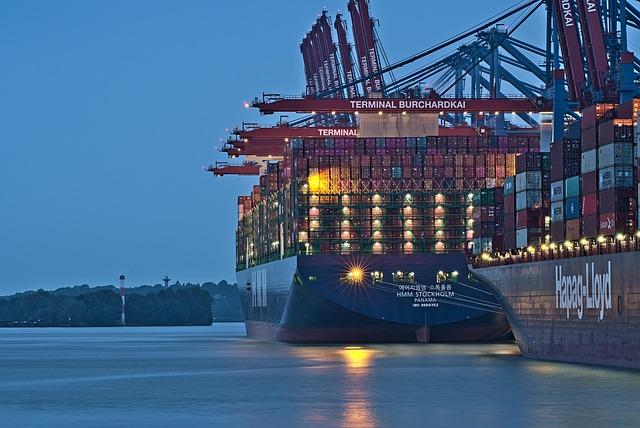
The United States trade deficit has narrowed significantly as tariffs and trade policies continue to reshape international commerce, according to the latest government data. Analysts point to reduced imports and a shift in supply chains driven by ongoing tariff measures as key factors behind the decline. In this article, we take a closer look at the most recent numbers, exploring the economic implications and what they may signal for the future of U.S. trade.
US Trade Deficit Narrows Amid Rising Tariff Impact
The latest trade figures reveal a significant tightening of the US trade deficit, driven largely by the escalating impact of tariffs on imported goods. Key sectors have experienced a notable slowdown in imports, particularly from China and other major trade partners, as businesses and consumers adjust to higher costs. This contraction reflects both a strategic shift in sourcing and a broader attempt to balance trade flows amid ongoing economic tensions.
Analyzing the data further, several trends stand out:
- Imports of consumer electronics have decreased by 8%, a direct consequence of the increased tariffs.
- Industrial goods show a more moderate decline, suggesting some resistance due to supply chain dependencies.
- Exports remain resilient, showing a slight uptick which also contributes to narrowing the deficit.
| Trade Component | Change (YoY) | Impact |
|---|---|---|
| Imports | -6.2% | Reduced inflows due to tariffs |
| Exports | +1.3% | Steady demand abroad |
| Trade Deficit | -12.8% | Significant narrowing |
Key Sectors Feeling the Strain as Import Costs Climb
Several critical industry segments are grappling with the ripple effects of rising import tariffs, which have led to increased costs and operational challenges. Manufacturing sectors, especially those dependent on raw materials and intermediate goods from abroad, report tightening margins as supply chain expenses surge. Retailers too face price pressures that trickle down to consumers, prompting strategic shifts in sourcing and inventory management. The transportation and logistics fields are struggling with higher shipping costs, exacerbated by fluctuating trade policies and port congestion.
Key sectors impacted include:
- Automotive: Costlier imported parts hinder production timelines
- Electronics: Rising component prices strain profit margins
- Consumer Goods: Retailers pass increased costs to customers
- Agriculture: Import tariffs affect equipment and fertilizer prices
| Sector | Estimated Import Cost Increase | Impact on Operations |
|---|---|---|
| Automotive | +12% | Delayed production cycles |
| Electronics | +15% | Reduced profit margins |
| Consumer Goods | +9% | Higher retail prices |
| Agriculture | +10% | Increased equipment costs |
Economic Experts Weigh In on Long-Term Implications
Leading economists emphasize that the current shrinkage in the US trade deficit, attributed largely to recent tariff implementations, may signal a complex recalibration of international commerce. While tariffs have effectively curtailed imports, experts caution against viewing these metrics as a straightforward triumph. Potential long-term consequences include:
- Reduced supply chain efficiency due to increased production costs
- Shifting global trade alliances as partners seek alternative markets
- Possible inflationary pressure as consumer goods prices rise
According to data analyzed by the Economic Policy Institute, short-term gains might be offset by volatility in export markets. The table below summarizes projected impacts based on current tariff scenarios:
| Sector | Short-Term Effect | Long-Term Outlook |
|---|---|---|
| Manufacturing | Export slowdown | Potential reshoring opportunities |
| Agriculture | Market access restrictions | Diversification into new trade partners |
| Technology | Supply chain delays | Increased innovation investments |
Strategies for Businesses Navigating Tariff Challenges
Businesses facing increased tariffs are adopting a variety of adaptive measures to maintain supply chain resilience and protect profit margins. Key strategies include:
- Supplier Diversification: Expanding vendor networks beyond tariff-impacted countries to reduce reliance on any single market.
- Product Reengineering: Modifying products to qualify for tariff exemptions or lower-duty classifications under trade agreements.
- Cost Absorption and Pricing Adjustments: Balancing tariff-induced costs by optimizing operational efficiencies or strategically passing expenses to customers.
- Enhanced Trade Compliance: Leveraging detailed documentation and classification expertise to avoid penalties and maximize benefits.
Some companies are also exploring nearshoring as a long-term solution to tariff volatility. The following table outlines typical benefits and challenges associated with this approach:
| Aspect | Benefits | Challenges |
|---|---|---|
| Proximity | Reduced shipping times and costs | Limited supplier options |
| Tariff Exposure | Lower risk of sudden tariff hikes | Potentially higher labor costs |
| Regulatory Environment | Streamlined customs processes | Navigating local regulations |
In Retrospect
As the latest data reveals a notable decline in the U.S. trade deficit, economists and policymakers continue to assess the impact of tariffs and evolving global trade dynamics. While the reduced deficit signals shifts in import and export patterns, questions remain about the long-term effects on the economy and international relations. Stay tuned for ongoing coverage as new figures emerge and the trade landscape evolves.