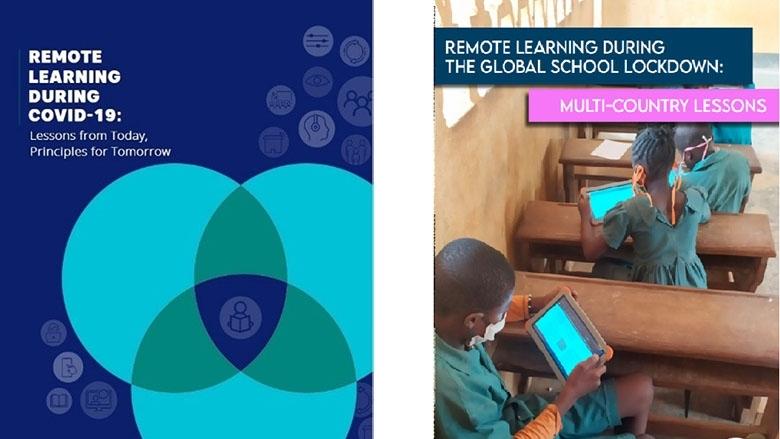
In the spring of 2020, schools across the United States abruptly closed their doors and shifted to remote learning in an unprecedented effort to curb the spread of COVID-19. What was initially seen as a temporary measure has left enduring effects on students, educators, and communities. Five years later, the repercussions of this massive educational upheaval continue to shape academic achievement, mental health, and equity in ways that policymakers and educators are still grappling with. This report examines the lasting impact of the pandemic-era school closures and the ongoing challenges faced by the American education system.
Schools Shift to Remote Learning and the Immediate Educational Challenges
As classrooms shuttered almost overnight, educators scrambled to pivot, adopting remote learning platforms that were often untested at scale. This rapid transformation exposed significant disparities in access to technology and internet connectivity, with students from low-income families bearing the brunt of the digital divide. Teachers confronted the steep learning curve of engaging students through screens, wrestling with issues ranging from limited interaction to difficulties in monitoring progress.
- Technological barriers: Unequal access to devices and reliable internet impacted participation.
- Engagement challenges: Maintaining student attention and motivation proved difficult in virtual settings.
- Assessment hurdles: Conducting fair and effective evaluations remotely presented ongoing obstacles.
Educators also reported increased workloads as they adapted curricula and managed communication with families under new conditions. The transition illuminated gaps in readiness at every level, prompting districts to re-evaluate emergency preparedness and invest more heavily in digital infrastructure and teacher training. Yet, beneath these rapid adaptations, concerns about long-term learning loss and social-emotional impacts began to surface, signaling that the repercussions of this shift would resonate well beyond the initial closures.
| Challenge | Immediate Impact | Lasting Effect |
|---|---|---|
| Technology access | Devices provided to 65% of students | Ongoing equity initiatives |
| Student engagement | Average attendance dropped 20% | New hybrid teaching methods |
| Assessment quality | Standardized testing paused temporarily | Development of remote assessment tools |
Long Term Effects on Student Achievement and Mental Health
Five years after schools transitioned to remote learning, educators and mental health professionals continue to observe significant consequences. Academic disparities widened, with some students falling behind due to inconsistent access to technology and supportive environments. According to recent studies, reading and math scores have shown persistent declines, particularly among marginalized groups, highlighting the uneven impact of the shift away from in-person instruction.
- Lower standardized test scores in urban and low-income districts
- Increase in dropout rates correlated with remote learning challenges
- Reduced engagement and motivation among middle and high school students
Mental health concerns have surged, with many students reporting heightened anxiety, depression, and feelings of isolation. School counselors have noted increased demand for services, yet resources remain stretched thin. The lack of in-person social interaction has left a lasting impact on emotional development, particularly for younger children. Experts stress the importance of sustained support and intervention to address these ongoing challenges.
| Mental Health Indicator | Pre-Pandemic | Current (2024) |
|---|---|---|
| Students Reporting Anxiety | 18% | 34% |
| Students Reporting Depression | 14% | 29% |
| Counseling Visits per 1000 Students | 40 | 75 |
The Digital Divide and Efforts to Improve Technology Access
When schools abruptly shifted to remote learning during the COVID-19 pandemic, glaring disparities in technology access came to the forefront. Millions of students found themselves without reliable internet or devices capable of supporting online education, exacerbating educational inequities. In response, districts and policymakers launched various initiatives aimed at bridging these gaps, including:
- Distribution of laptops and tablets to underserved students
- Expansion of broadband infrastructure in rural and low-income urban areas
- Partnerships with internet providers to offer subsidized or free service
- Implementation of digital literacy programs for students and families
Despite these efforts, access remains uneven, with significant challenges persisting five years on. Data from recent studies highlights ongoing issues:
| Metric | Urban Areas | Rural Areas | Low-Income Households |
|---|---|---|---|
| Households with High-Speed Internet | 88% | 62% | 55% |
| Students with Personal Devices | 85% | 70% | 60% |
| Digital Literacy Program Participation | 45% | 30% | 42% |
Addressing these inequalities is crucial not only to recover from pandemic disruptions but also to prepare the education system for a future that increasingly depends on digital proficiency and access.
Policy Recommendations to Address Learning Gaps and Support Student Wellbeing
Addressing the extended impacts of the pandemic on education requires targeted, inclusive policies that prioritize both academic recovery and emotional resilience. Schools must be equipped with additional resources for summer programs, tutoring, and individualized learning plans to close persistent learning gaps. Investing in comprehensive mental health services—such as counseling, peer support groups, and staff training—can foster a nurturing environment that promotes psychological wellbeing and mitigates the trauma caused by prolonged isolation and uncertainty.
Experts urge decision-makers to consider a holistic approach that balances curriculum catch-up with social-emotional learning initiatives. Key recommendations include:
- Expanding access to broadband and digital devices to ensure equitable remote and hybrid learning options
- Increasing funding for school counselors and mental health professionals
- Implementing trauma-informed teaching practices across all grade levels
- Partnering with community organizations to support families and provide wraparound services
| Policy Area | Short-Term Goal | Long-Term Impact |
|---|---|---|
| Academic Recovery | Targeted tutoring programs | Reduced achievement gaps |
| Mental Health | Expanded counseling services | Improved student wellbeing |
| Digital Equity | Device & broadband access | Equal learning opportunities |
| Community Support | Family engagement initiatives | Stronger support networks |
In Retrospect
As the nation reflects on the unprecedented educational shift sparked by the COVID-19 pandemic, the lasting effects of remote learning continue to shape students, educators, and families across the country. While schools have largely returned to in-person instruction, the challenges revealed—and in many cases, exacerbated—by the abrupt move to virtual classrooms underscore the need for ongoing support and innovation in education. Five years later, the legacy of these closures serves as both a cautionary tale and a catalyst for rethinking how schools can better serve all learners in an increasingly uncertain world.