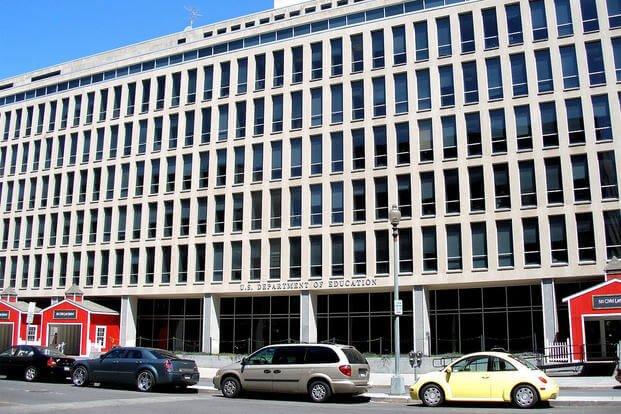
The United States Department of Education, a federal agency responsible for shaping national education policy and overseeing funding for schools, has long been a focal point of political debate. As former President Donald Trump’s administration questioned the agency’s role and proposed significant restructuring, questions arose about the feasibility and implications of dismantling the department altogether. This article examines the origins, functions, and controversies surrounding the Department of Education, and explores whether dismantling it is a realistic or legally viable option under Trump’s influence.
Understanding the Role and Impact of the Department of Education
The Department of Education plays a pivotal role in shaping the educational landscape of the United States by establishing policies, administering federal funding, and enforcing laws related to education. Its responsibilities extend across a wide range of areas, including student financial aid programs, fostering equal access to education, supporting special education services, and collecting essential data for policy development. The impact of this department reaches millions of students, educators, and institutions nationwide, influencing the quality and accessibility of education from early childhood through postsecondary levels.
Critics of the department argue that its centralized authority can lead to inefficiencies and a one-size-fits-all approach to education. However, its defenders emphasize the importance of federal oversight in ensuring civil rights protections and equal opportunities for disadvantaged groups. Below is a summary of the core functions and impact areas of the department:
- Federal Funding Allocation: Distributes billions to schools and colleges to improve education standards.
- Policy Development: Sets nationwide educational objectives and benchmarks.
- Data Collection: Gathers data to inform evidence-based reforms and track progress.
- Civil Rights Enforcement: Safeguards students from discrimination in educational programs.
- Grant Programs: Supports innovation and research to enhance teaching and learning.
| Impact Area | Key Function | Beneficiaries |
|---|---|---|
| Access to Education | Distributes Pell Grants and Loans | Low-income college students |
| Special Education | Enforces IDEA provisions | Students with disabilities |
| Educational Research | Funds innovation grants | Schools and educators |
| Equal Opportunity | Monitors civil rights compliance | Minority and marginalized groups |
Political Debates Surrounding the Department’s Future and Function
Since its establishment in 1979, the Department of Education has been a lightning rod for debate, reflecting broader ideological clashes over federal involvement in schooling. Critics argue that the department perpetuates excessive bureaucracy, limiting local control and imposing one-size-fits-all mandates on diverse communities. Supporters, however, emphasize its role in advancing civil rights, funding underserved populations, and setting national standards to ensure educational equity across states.
During the Trump administration, conversations intensified around the prospect of dismantling or significantly downsizing the department. Proposals included:
- Reallocating responsibilities back to states and local governments
- Eliminating key programs aimed at reducing achievement gaps
- Reducing federal education funding as a means to curtail federal influence
| Proposal | Potential Impact |
|---|---|
| Devolution of Powers | Increased state autonomy with risk of uneven educational quality |
| Program Cuts | Reduction in services for low-income and special needs students |
| Budget Reductions | Potential funding shortfalls at district levels, increased disparities |
Despite these proposals, many educators and lawmakers contend that dismantling the department would undercut national progress on educational reform and civil rights protections, igniting a fierce political battle over the future scope and purpose of federal education policy.
Legal and Practical Challenges in Dismantling a Federal Agency
Efforts to dismantle a federal agency like the Department of Education encounter both stringent legal safeguards and complex logistical hurdles. At the legal level, Congress holds the power to establish and abolish federal departments, meaning that the President cannot unilaterally dissolve the agency through an executive order. Any attempt to do so would likely prompt immediate litigation, leading to prolonged judicial review and significant political pushback. Additionally, existing federal laws that confer responsibilities on the Department — ranging from student loan administration to civil rights enforcement in schools — require formal legislative changes to be effectively repealed or transferred.
From a practical standpoint, the complexity of the Department’s operations presents substantial challenges:
- Budgetary Commitment: The Department oversees billions in annual federal education funding allocated to states and institutions. Redirecting or cutting this funding involves reauthorizing legislation and can disrupt education programs nationwide.
- Institutional Infrastructure: Thousands of employees and a network of regional offices administer grants, federal student loans, and compliance monitoring.
- Policy Continuity: Abrupt dismantling could cause gaps in enforcement of civil rights protections in education and destabilize student financial aid.
| Challenge | Description | Impact |
|---|---|---|
| Legal Authority | Requires Congressional approval to dissolve the department | Limits unilateral Presidential action |
| Funding Allocation | Manages billions in federal education funds | Risk of disrupting state education budgets |
| Employee Transition | Thousands of federal workers engaged in program administration | Potential loss of institutional knowledge |
Assessing Potential Outcomes and Recommendations for Education Policy Reform
Educational policy reform carries with it a spectrum of potential outcomes that could redefine the landscape of American schooling. Advocates suggest that restructuring could promote greater local control, reduce bureaucratic overhead, and allow for more tailored educational approaches to meet community needs. On the other hand, critics warn that dismantling or severely weakening centralized oversight may increase disparities in funding and quality, exacerbating existing inequalities. The challenge lies in balancing efficiency and equity—ensuring that all students receive support without sacrificing the integrity of nationwide educational standards.
Key considerations for reform include:
- Funding mechanisms and their impact on underprivileged communities
- The role of federal mandates in protecting civil rights and ensuring accountability
- Potential shifts in curriculum standards and teacher certification processes
- Implications for national data collection and policy research
| Aspect | Potential Benefit | Possible Risk |
|---|---|---|
| Funding | More localized allocation of resources | Increased inequity between districts |
| Standards | Greater flexibility for state-level innovation | Fragmented educational quality across states |
| Accountability | Reduced federal oversight bureaucracy | Weakened protection of marginalized groups |
Insights and Conclusions
In summary, the Department of Education plays a pivotal role in shaping the nation’s educational policies and ensuring equitable access to learning opportunities across the United States. While proposals to dismantle or significantly reduce the department have surfaced in political debates, such a move would face substantial legal, logistical, and institutional hurdles. As discussions continue, the future of the Department of Education remains a key issue in the broader conversation about the direction of American education policy.