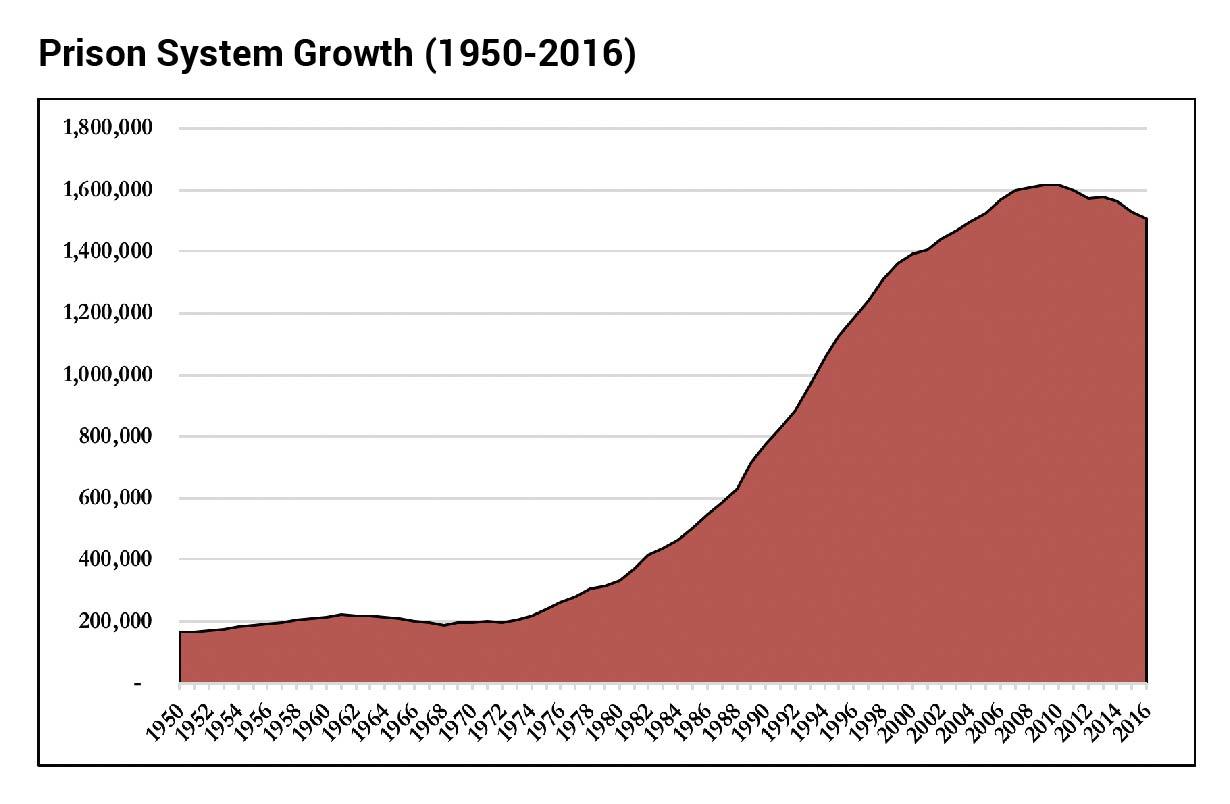
The ongoing crisis of mass incarceration in the United States remains a pressing issue as new data from the Prison Policy Initiative’s 2025 report, “Mass Incarceration: The Whole Pie,” reveals the latest landscape of the nation’s sprawling correctional system. This comprehensive analysis breaks down the complexities behind the sheer number of people under some form of correctional control, highlighting trends, disparities, and the often-overlooked populations hidden within the system. As policymakers, activists, and communities grapple with reform efforts, the 2025 report offers an essential, data-driven snapshot of how incarceration continues to shape American society today.
Mass Incarceration Landscape Revealed in the Whole Pie 2025 Report
The latest data from the Whole Pie 2025 report paints a stark picture of the current state of incarceration in the United States. It reveals not only the sheer volume of individuals behind bars but also the complex ecosystem of detention facilities, probation, and parole systems. Unlike previous years, this edition highlights a subtle shift in trends—an increase in community supervision juxtaposed with a slow decline in prison populations. However, the overarching narrative remains unchanged: the country still grapples with an unprecedented scale of correctional supervision that disproportionately affects marginalized communities.
Key findings underscore several critical areas:
- State prisons house the majority of incarcerated individuals, yet federal prisons and local jails continue to contribute significantly to overall figures.
- Probation and parole systems encompass a large population, illustrating incarceration’s extended reach beyond physical confinement.
- People detained for immigration-related reasons represent a growing segment, calling attention to the intersection of immigration policy and criminal justice.
| Correctional Setting | Percentage of Total Population |
|---|---|
| State Prisons | 46% |
| Local Jails | 22% |
| Federal Prisons | 11% |
| Probation & Parole | 19% |
| Immigration Detention | 2% |
Disparities and Demographics Shaping Prison Populations
Mass incarceration continues to disproportionately impact communities of color, with Black and Hispanic individuals significantly overrepresented compared to their share of the U.S. population. This imbalance stems from systemic factors including racial profiling, sentencing disparities, and unequal access to quality legal representation. While Black Americans represent approximately 13% of the national population, they account for nearly 33% of the prison population. Similarly, Hispanic individuals, about 18% of the population, comprise close to 23% behind bars. These disparities reveal a persistent cycle where demographic shifts within correctional facilities mirror deeply rooted social and economic inequities.
Age and gender also shape the inmate demographic landscape, with young men disproportionately represented compared to women and older adults. Notably, incarcerated women, though fewer in number, have experienced a more rapid rate of increase over recent years, often facing unique challenges related to health care and family separation. The table below highlights the current distribution of prison populations by race and gender, offering a clear snapshot of the demographic layers influencing incarceration trends today.
| Demographic Group | U.S. Population (%) | Incarcerated Population (%) |
|---|---|---|
| Black Men | 6.5 | 22 |
| Hispanic Men | 9 | 15 |
| White Men | 30 | 35 |
| Women (All Races) | 50 | 7 |
Evaluating the Impact of Policies on Incarceration Rates
Policies enacted over the past few decades have dramatically shaped incarceration trends across the United States. From mandatory minimum sentencing to the war on drugs, many laws intended to enhance public safety have instead contributed to unprecedented prison population growth. Analyzing these policies reveals that their impacts are not uniformly distributed—certain groups and regions bear disproportionate burdens due to the combined effect of legislative decisions and enforcement priorities.
Key findings highlight:
- Mandatory sentencing laws increased the length of stay for non-violent offenders, swelling prison populations even as crime rates decreased.
- Three-strikes laws have led to life sentences for repeat offenders with minor third offenses, greatly impacting prison demographics.
- Drug policy reforms
| Policy | Effect on Prison Population | Current Status (2025) |
|---|---|---|
| Mandatory Minimums | +35% increase in average sentence length | Ongoing debates; some revisions in state laws |
| Three-Strikes Laws | +20% rise in life sentences | Scaled back in several states |
| Drug Policy Reforms | -15% decrease in drug-related incarcerations | Expanded legalization and decriminalization |
Targeted Solutions to Reduce Prison Populations and Promote Reform
Effective strategies to shrink the prison population and drive reform must focus on alternatives to incarceration that address the root causes of criminal behavior. Expanding community-based programs such as drug treatment, mental health services, and restorative justice initiatives can divert individuals from lengthy prison sentences. Additionally, reforming sentencing laws—especially for non-violent and low-level offenses—has proven to reduce prison admissions significantly while maintaining public safety.
Key areas of intervention include:
- Sentencing Reform: Revisiting mandatory minimums and promoting judicial discretion to avoid disproportionate penalties.
- Parole and Early Release: Enhancing grant opportunities for supervision programs and reducing barriers for reintegration.
- Rehabilitation Programs: Investing in education, vocational training, and mental health support inside and outside prison walls.
| Solution | Impact on Population | Status |
|---|---|---|
| Sentencing Reform | 20% Reduction | Under Discussion |
| Community-Based Programs | 15% Reduction | In Implementation |
| Parole Expansion | 10% Reduction | Pilot Phase |
The Way Forward
As the data from the “Mass Incarceration: The Whole Pie 2025” report vividly illustrates, the United States continues to grapple with an expansive and complex carceral system. Despite longstanding calls for reform, millions remain behind bars, highlighting persistent challenges related to racial disparities, sentencing policies, and the social costs of mass incarceration. Moving forward, policymakers, advocates, and communities must reckon with these realities to foster a more equitable justice system. The Prison Policy Initiative’s comprehensive analysis serves as a crucial resource for understanding the full scope of incarceration in America and underscores the urgent need for informed, systemic change.