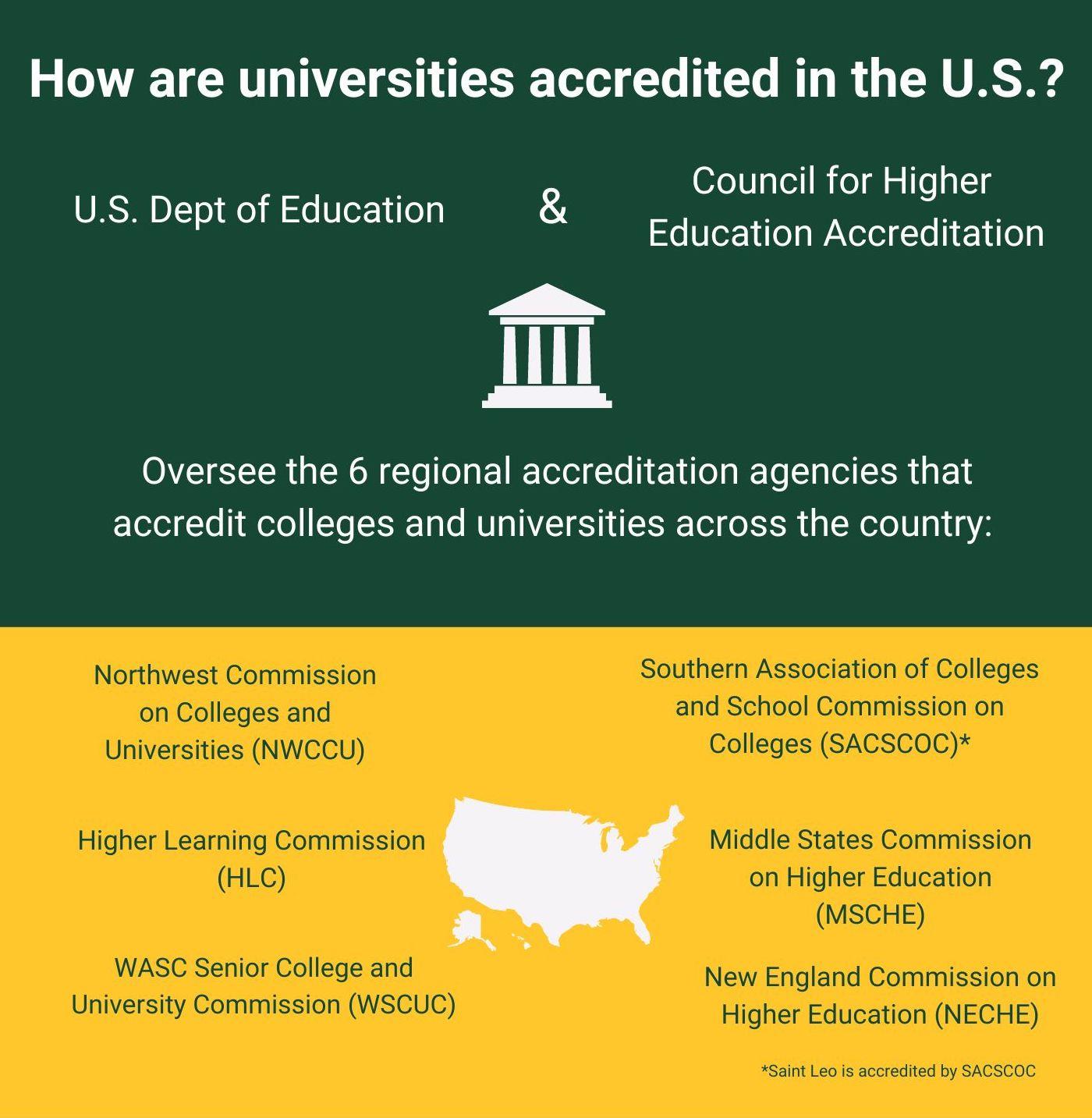
The U.S. Department of Education plays a pivotal role in maintaining the quality and credibility of higher education through its oversight of college accreditation. As students and families increasingly scrutinize the value of a college degree, accreditation has emerged as a critical benchmark indicating whether institutions meet established standards of academic excellence and institutional integrity. This article delves into the Department’s accreditation process, its impact on colleges and universities nationwide, and what prospective students need to know to make informed decisions about their educational futures.
Understanding the Role of the U.S. Department of Education in College Accreditation
The U.S. Department of Education plays a pivotal role in maintaining the standards of higher education institutions through its recognition of accrediting agencies. While it does not directly accredit colleges, its approval of these agencies ensures that accrediting bodies meet stringent criteria for quality and integrity. This process safeguards students by ensuring that their institutions provide acceptable education, are financially sound, and adhere to fair operational practices.
Recognition by the Department comes with several critical benefits, including eligibility for federal financial aid programs and increased transferability of credits among institutions. Key responsibilities of the Department in this area include:
- Evaluating accrediting agencies based on their ability to assure educational quality
- Monitoring agency performance to uphold consistency and transparency
- Protecting students and taxpayers by preventing fraudulent or substandard education providers
| Department Role | Impact on Colleges | Student Benefit |
|---|---|---|
| Approves Accrediting Agencies | Ensures compliance with national standards | Guarantees recognized degrees |
| Monitors Quality Assurance | Enforces continual institutional improvement | Improves educational value |
Evaluating Accreditation Standards and Their Impact on Student Outcomes
Accreditation standards serve as the benchmark for educational quality, shaping the framework within which colleges operate to ensure that students receive a valuable education. These standards rigorously evaluate factors such as faculty qualifications, curriculum relevance, student support services, and institutional governance. By demanding continuous improvement, accreditation bodies help institutions align their academic programs with current industry trends, fostering environments where student learning outcomes can flourish. Importantly, the transparency and accountability embedded in these standards empower students and employers alike to make informed decisions based on the institution’s verified quality and effectiveness.
Key aspects monitored during the accreditation process include:
- Student retention and graduation rates
- Graduate employment statistics
- Curriculum rigor and alignment with labor market demands
- Access to student support and career services
| Standard | Impact on Students | Example Outcome |
|---|---|---|
| Faculty Credentials | Higher quality instruction and mentorship | Improved test scores and knowledge retention |
| Curriculum Relevance | Alignment with workforce needs | Increased job placement rates |
| Student Services | Enhanced support for academic and personal challenges | Better student satisfaction and persistence |
Navigating the Accreditation Process: Key Steps and Challenges for Institutions
Institutions seeking accreditation must first conduct a comprehensive self-assessment to meet the rigorous standards set by recognized accrediting bodies. This phase involves compiling extensive documentation, showcasing academic programs, faculty qualifications, student support services, and financial stability. Key steps include creating a detailed self-study report and preparing for rigorous peer review visits. Throughout this process, institutions often face challenges such as aligning internal policies with federal and accreditor-specific criteria, managing resource allocation, and engaging faculty and staff in the continuous improvement cycle.
Critical challenges to anticipate include:
- Ensuring transparency and accuracy in data reporting
- Demonstrating measurable outcomes related to student achievement
- Adapting swiftly to evolving federal guidelines and accreditation requirements
- Overcoming logistical hurdles in hosting site evaluators
| Phase | Action Items | Common Roadblocks |
|---|---|---|
| Self-Study Preparation | Documentation & Assessment | Data Collection Accuracy |
| Peer Review | Site Visit Coordination | Scheduling Conflicts |
| Decision & Follow-Up | Addressing Recommendations | Resource Constraints |
Recommendations for Prospective Students to Verify Accreditation Status and Ensure Quality Education
Before committing to a college or university, prospective students should take proactive steps to confirm that the institution is properly accredited. Begin by visiting the U.S. Department of Education’s Database of Accredited Postsecondary Institutions and Programs. This official resource provides up-to-date information on recognized accrediting agencies and accredited institutions nationwide. Additionally, check for accreditation status on the college’s official website, but always cross-reference with the Department of Education’s database to avoid misinformation. Keep in mind that regional accreditation is generally considered more prestigious and widely accepted than national accreditation, especially for credit transfers and graduate studies.
Students should also consider quality indicators beyond accreditation, including graduation rates, student support services, and employment outcomes. Engage with current students and alumni through forums or social media to gain firsthand insights. The table below highlights key factors to verify alongside accreditation status for a well-rounded evaluation:
| Verification Step | Why It Matters | Action Tip |
|---|---|---|
| Check Official Accreditation Status | Ensures the institution meets federal and educational standards | Use the U.S. Department of Education database |
| Review Graduation and Retention Rates | Indicates student success and institutional effectiveness | Find data on college websites or the National Center for Education Statistics |
| Confirm Transferability of Credits | Critical for students planning further education | Consult academic advisors and compare transfer policies |
| Assess Career Support Services | Supports job placement and internships post-graduation | Inquire directly with the college’s career center |
Closing Remarks
In summary, understanding the role of the U.S. Department of Education in college accreditation is crucial for students, educators, and policymakers alike. As the primary federal authority overseeing educational standards, the Department ensures that institutions meet rigorous criteria to provide quality education. This oversight not only safeguards public investment but also helps students make informed decisions about their academic futures. Staying informed about accreditation status and changes remains essential in navigating the evolving landscape of higher education in the United States.