Contrary to recent rumors and widespread misunderstanding, taxes on Social Security benefits remain firmly in place, according to a clarification from tax experts and government sources. Despite circulating claims suggesting otherwise, the federal policy regarding the taxation of these benefits has not been eliminated or significantly altered. This article examines the facts behind the ongoing taxation of Social Security income, its implications for beneficiaries, and the reasons why the belief in its repeal continues to persist.
Taxes on Social Security Benefits Still Apply Despite Common Misconceptions
Understanding How Social Security Income Is Taxed by the Federal Government
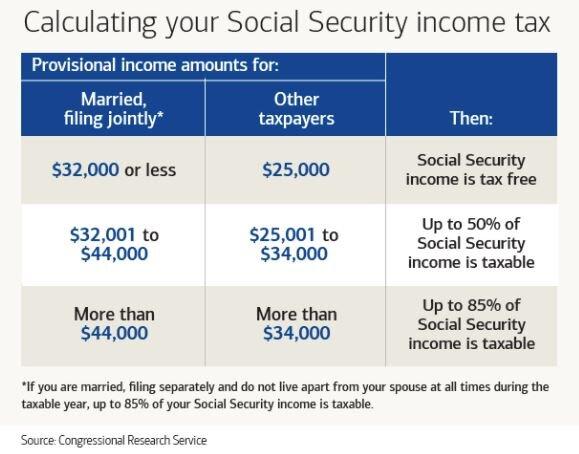
Contrary to widespread belief, Social Security benefits remain subject to federal taxation for many recipients. The amount of benefits taxed depends largely on one’s combined income, which includes wages, dividends, and other taxable income sources. When this combined income exceeds certain thresholds, up to 85% of the Social Security benefits can become taxable. This means retirees who receive moderate to high incomes may find themselves owing federal taxes on a significant portion of their benefits, challenging the misconception that Social Security income is fully tax-free.
The IRS uses a formula to determine the taxation level, considering “provisional income” — the sum of adjusted gross income, tax-exempt interest, and half of the Social Security benefits. The key thresholds are summarized in the table below:
| Filing Status | Provisional Income Limit | % of Benefits Taxed |
|---|---|---|
| Individual | $25,000 – $34,000 | 50% to 85% |
| Married Filing Jointly | $32,000 – $44,000 | 50% to 85% |
| Above These Limits | >$34,000 / >$44,000 | Up to 85% |
- Lower-income individuals: May pay no taxes on benefits if under the lowest threshold.
- Middle-income retirees: Can expect to pay taxes on roughly half their benefits.
- High-income households: Might face taxes on up to 85% of their benefits.
This taxation structure reflects political compromises from the 1980s designed to ensure Social Security remains financially sustainable, yet it continues to surprise many retirees unaware that their benefits aren’t automatically tax-free.
Strategies to Minimize Tax Liability on Social Security Benefits
To reduce the portion of Social Security benefits subject to taxation, retirees can strategically manage their income sources. One effective approach is delaying withdrawals from retirement accounts such as Traditional IRAs or 401(k)s until after age 70½, thereby lowering annual taxable income during the early years of retirement. Additionally, converting traditional retirement funds to Roth IRAs can help because Roth withdrawals are tax-free and do not count as income that triggers Social Security taxability.
Complementary tactics include diversifying income streams to emphasize tax-exempt earnings and carefully timing distributions from taxable investments. Utilizing deductions and credits, like charitable contributions and medical expense deductions, can further bring down adjusted gross income. The following table summarizes key strategies and their impact on the taxable portion of Social Security benefits:
| Strategy | Effect on Taxable Benefits | Best For |
|---|---|---|
| Delay Retirement Account Withdrawals | Reduces taxable income early in retirement | Those with large traditional retirement balances |
| Roth IRA Conversions | Converts taxable savings to tax-free assets | Younger retirees with a long timeline |
| Increase Tax-Exempt Income | Decreases total income subject to SS tax | Investors with municipal bonds or tax-exempt funds |
| Maximize Deductions | Lowers adjusted gross income (AGI) | Those with deductible expenses like medical costs |
What Policymakers Suggest for Future Changes in Social Security Taxation
Recognizing the growing concerns among retirees about the complexity and burden of Social Security taxation, several policymakers have put forward proposals aimed at simplifying the system. Among the most discussed ideas is raising the income threshold at which Social Security benefits become taxable, thereby allowing more modest-income retirees to avoid paying federal taxes on their benefits. Additionally, some suggest implementing a tiered approach that adjusts tax rates based on lifetime earnings rather than current income, intending to make the system fairer and more predictable.
Besides threshold adjustments, experts advocate for enhanced transparency and better communication to help seniors understand how their benefits are taxed. Legislators are also exploring:
- Tax credits for low-income beneficiaries to offset their tax liabilities.
- Annual adjustments reflecting inflation and living costs more accurately.
- Integrating state and federal tax policies for cohesive tax treatment nationwide.
| Proposal | Key Benefit | Potential Drawback |
|---|---|---|
| Raise Income Threshold | More seniors exempt from taxes | Reduced tax revenue |
| Tiered Tax Rate | Fairer taxation by earnings | Increased complexity |
| Tax Credits for Low-Income | Financial relief for vulnerable groups | Implementation costs |
Insights and Conclusions
In summary, despite widespread misconceptions and rumors, taxes on Social Security benefits remain in place and have not been eliminated. Understanding how these taxes work is crucial for beneficiaries to accurately assess their financial situation and plan accordingly. As discussions about Social Security continue, staying informed through reliable sources like USA Today ensures that readers receive clear and factual information about the programs that impact their retirement security.