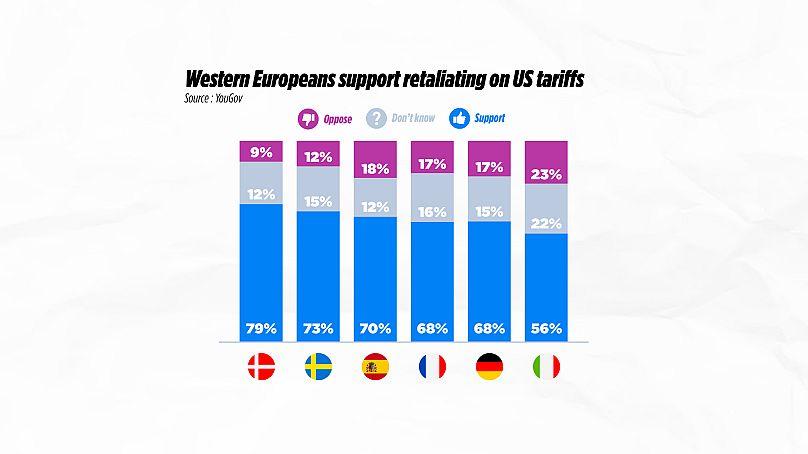
The European Union has announced a delay in implementing retaliatory trade tariffs against the United States, signaling a potential easing of escalating tensions between the two economic powers. The move comes amid ongoing negotiations aimed at resolving disputes related to subsidies and trade practices. This latest development marks a significant shift in the transatlantic trade relationship, as both sides seek to avoid a full-scale trade war that could have far-reaching consequences for global markets. The BBC reports on the details of the EU’s decision and its implications for international trade dynamics.
EU Postpones Trade Tariffs in Bid to Ease Transatlantic Tensions
In a strategic move to de-escalate growing economic disputes, the European Union has opted to temporarily hold off on implementing trade tariffs aimed at American goods. This decision marks a significant shift in Brussels’ approach, favoring dialogue over punitive measures amidst ongoing deliberations in transatlantic trade relations. The EU spokesperson emphasized that this pause is intended to create a more conducive environment for negotiations, while safeguarding the interests of European industries likely to be impacted.
Key factors influencing the EU’s decision include:
- Advancing constructive talks on steel and aluminum trade policies
- Reducing the risk of a full-scale trade war that could damage both economies
- Responding to concerns from affected sectors such as automotive and agriculture
| Sector | Potential Impact | Tariff Rate Initially Proposed |
|---|---|---|
| Steel | High risk of import limitation | 25% |
| Aluminum | Price fluctuations expected | 10% |
| Automotive | Supply chain disruptions | 15% |
Economic Implications for European and American Markets
The European Union’s decision to postpone retaliatory tariffs on American goods presents a temporary easing of trade tensions that could significantly affect market dynamics on both sides of the Atlantic. This delay provides breathing room for businesses heavily dependent on transatlantic supply chains, particularly those in the automotive, agricultural, and technology sectors. Analysts suggest that the pause may encourage renewed negotiations, potentially stabilizing markets that have experienced volatility due to escalating tariff threats. However, lingering uncertainty remains a cause for concern among investors and exporters wary of sudden policy reversals.
Key economic impacts include:
- European exporters: Gain short-term relief, avoiding immediate price increases that could hinder competitiveness in the US market.
- American manufacturers: Benefit from a smoother supply chain, avoiding cost hikes linked to tariff-related adjustments.
- Consumers: May experience slower price inflation as trade tensions ease temporarily.
| Sector | Potential Impact | Short-term Outlook |
|---|---|---|
| Automotive | Reduced cost pressures | Stable shipments |
| Agriculture | Market access maintained | Price stability |
| Technology | Supply chain continuity | Improved investor confidence |
Diplomatic Negotiations Signal Potential Shift in US EU Trade Relations
The European Union’s decision to postpone the activation of retaliatory tariffs against the United States marks a noteworthy development in transatlantic trade dynamics. This pause follows intense discussions that suggest both parties are seeking common ground to avoid further escalation in an already tense trade environment. Analysts point to this move as a strategic attempt by the EU to encourage a more collaborative framework rather than enforcing punitive measures that could disrupt global markets.
Key elements of the ongoing negotiations include:
- Review of existing tariffs with potential reductions on both sides.
- Addressing disputes related to subsidies and market access.
- Commitments on fair trade practices and regulatory alignment.
| Issue | EU Position | US Position |
|---|---|---|
| Steel Tariffs | Seek gradual removal | Maintain current levels |
| Agricultural Exports | Lower barriers & quotas | Foster bilateral agreements |
| Subsidies | Transparency and limits | Reform and oversight |
While a finalized agreement remains elusive, this diplomatic overture signals a willingness to explore structured compromises rather than defaulting to reciprocal trade penalties. Stakeholders across both continents are closely monitoring these developments, hopeful that the momentum will foster a more stable and mutually beneficial economic partnership in the near future.
Strategic Recommendations for Policymakers to Navigate Ongoing Trade Disputes
Policymakers must adopt a multifaceted approach to address the complexities of ongoing trade disputes. This includes prioritizing diplomatic engagement and fostering transparent communication channels with trade partners to prevent escalation. Emphasizing negotiation over immediate retaliation can preserve long-term trade relationships and reduce economic uncertainty. Additionally, investing in comprehensive impact assessments will help identify vulnerable sectors and enable targeted measures that minimize collateral damage to domestic industries and consumers.
Another critical strategy involves strengthening multilateral trade frameworks that promote rules-based commerce and dispute resolution. By collaborating with international organizations and leveraging collective pressure, the EU and its partners can reinforce adherence to global trade norms. Strategic actions to consider include:
- Enhancing supply chain resilience through diversification and innovation to reduce dependency on contentious markets.
- Implementing phased tariff adjustments to allow industries time to adapt and avoid sudden market shocks.
- Supporting affected sectors via targeted subsidies, retraining programs, and export promotion initiatives.
| Policy Action | Effectiveness | Timeframe |
|---|---|---|
| Diplomatic Engagement | High | Short to Medium |
| Supply Chain Diversification | Medium | Medium to Long |
| Phased Tariff Implementation | Medium | Short to Medium |
| Sector Support Programs | High | Medium |
To Wrap It Up
The EU’s decision to delay the implementation of retaliatory tariffs against the US marks a temporary easing of tensions in transatlantic trade relations. As negotiations continue, both sides appear to be seeking a path toward resolving their disputes without escalating economic conflict. Observers will be watching closely to see whether this pause leads to more constructive dialogue or simply postpones the inevitable showdown.