
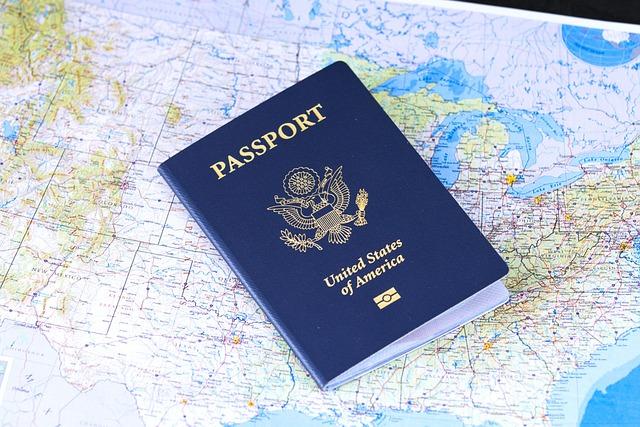
A recent report reveals a significant decline in new international student enrollments in the United States, with numbers dropping by 15% compared to the previous academic year. The Korea Times highlights this concerning trend, which poses potential challenges for American higher education institutions and reflects broader global shifts in student mobility. This article delves into the factors driving the plunge and its implications for universities and international education stakeholders.
Decline in International Student Enrollments Signals Challenges for US Higher Education
The latest statistics reveal a sharp 15% drop in new international student enrollments at U.S. higher education institutions, a trend that has raised concerns throughout academia. Experts attribute this decline to a combination of evolving immigration policies, increased tuition fees, and growing competition from educational hubs in Europe and Asia. Universities face mounting pressure to adapt their recruitment strategies and enhance support services to remain attractive to a global student body.
Key factors influencing this downturn include:
- Stricter visa regulations making it harder for students to obtain study permits.
- Rising educational costs that deter middle-income families.
- Alternative international opportunities gaining appeal among prospective students.
| Year | New International Enrollments | Percentage Change |
|---|---|---|
| 2022 | 300,000 | – |
| 2023 | 255,000 | –15% |
Impact on Universities and Local Economies Explored
The sharp 15% decline in new international student enrollments is sending ripples throughout universities across the United States. Many institutions, particularly those reliant on international tuition revenue, are facing budget shortfalls that could affect program offerings and faculty hiring. This downturn challenges universities to rethink their recruitment strategies and international outreach efforts to stabilize enrollment figures and maintain the diversity that enriches campus life.
Beyond campuses, the economic fallout is tangible in communities dependent on the spending power of international students. Local businesses—ranging from housing and retail to hospitality—report a drop in sales, while job markets linked to education services are feeling the strain. The table below highlights some of the sectors hit hardest by the enrollment decline:
| Sector | Impact Level | Common Challenges |
|---|---|---|
| Housing | High | Reduced demand, vacant units |
| Retail and Food Services | Medium | Lower customer flow, revenue drops |
| Transportation | Medium | Fewer riders, decreased sales |
| Language and Cultural Programs | High | Program cancellations, fewer enrollments |
Factors Contributing to the Sharp Decrease in New Student Numbers
The sharp decline in new international student enrollments in the US has been driven by a confluence of factors impacting both students and educational institutions. Primarily, stricter visa regulations and extended processing times have deterred many prospective students from pursuing studies in the US, pushing them toward alternative destinations with more streamlined policies. Additionally, heightened geopolitical tensions and travel uncertainties have contributed to a pervasive sense of unpredictability, discouraging families from committing to international education plans.
Other significant contributors include:
- Rising tuition and living costs amid inflation concerns, making US education less affordable.
- Increasing competition from countries offering lucrative scholarships and post-study work options.
- Concerns related to health and safety during ongoing pandemic fluctuations.
| Factor | Impact Level | Percentage Contribution |
|---|---|---|
| Visa & Immigration Policies | High | 40% |
| Financial Barriers | Medium | 30% |
| Global Health Concerns | Medium | 20% |
| International Competition | Low | 10% |
Strategies Recommended to Attract and Support International Students
To counteract the decline in international student enrollments, universities across the U.S. are adopting multifaceted approaches designed to enhance attraction and retention rates. Central to these strategies is expanding scholarship opportunities and streamlining visa application assistance. Offering competitive financial aid packages not only reduces barriers but also signals a commitment to global diversity. Additionally, dedicated international student offices are enhancing support by providing comprehensive orientation programs and tailored counseling services that address academic, cultural, and personal challenges.
Institutions are also innovating through partnerships and technology to build inclusive academic communities. Initiatives include:
- Virtual cultural exchange programs to foster early connections before arrival.
- Collaborative agreements with overseas educational institutions to create clear pathways for transfer students.
- Enhanced language support services including academic writing workshops and peer mentoring.
| Strategy | Purpose | Expected Outcome |
|---|---|---|
| Increased Scholarships | Reduce financial burden | Higher application volume |
| Pre-Arrival Orientation | Ease cultural transition | Improved retention rates |
| Language Support | Academic success aid | Enhanced performance |
The Way Forward
The sharp 15% decline in new international student enrollments in the United States, as detailed in The Korea Times report, signals significant challenges ahead for American higher education institutions. As global competition intensifies and pandemic-related disruptions persist, universities must adapt strategies to attract and support international students. Stakeholders will be closely monitoring these trends to understand their broader implications on academic diversity and economic contributions.