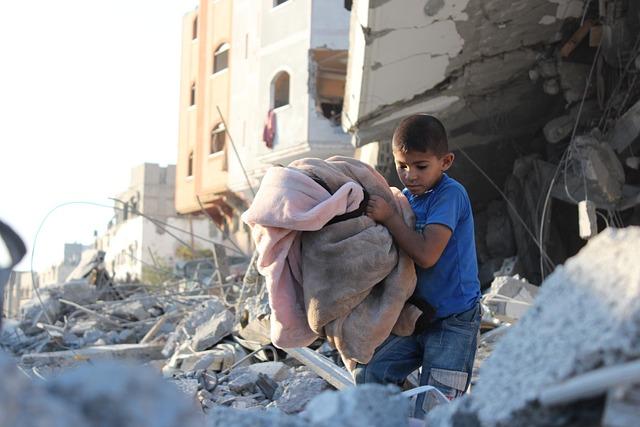
Human Rights Watch has issued a stark warning that United States forces could be held legally liable for aiding and abetting Israeli war crimes in Gaza. In the latest report, the organization highlights the potential complicity of US military support and calls for urgent accountability measures. The findings intensify the ongoing debate over America’s role in the Israeli-Palestinian conflict, raising serious questions about compliance with international humanitarian law.
US Military Support Under Scrutiny in Context of Israeli Actions in Gaza
Recent investigations by Human Rights Watch have intensified calls for a comprehensive review of U.S. military assistance to Israel, especially amid escalating violence in Gaza. The watchdog highlights that American support, including arms sales and logistical aid, could inadvertently implicate U.S. forces in violations classified under international humanitarian law. The crux of the debate centers on whether continued assistance enables actions amounting to potential war crimes, prompting urgent appeals for stricter oversight and accountability mechanisms.
Key points raised in the scrutiny include the nature of aid provided and the extent of U.S. involvement in Israeli military operations. Critics emphasize:
- Operational support: Intelligence sharing and reconnaissance capabilities that may facilitate targeting decisions.
- Material provision: Deliveries of munitions and equipment directly used in conflict zones.
- Legal obligations: Responsibility under international law to prevent complicity in unlawful acts.
The complexity of these factors continues to fuel debate over America’s role, urging a re-evaluation of foreign military policy in relation to human rights protections.
| Type of Support | Potential Implications | HRW Recommendations |
|---|---|---|
| Arms Sales | Facilitating offensive operations | Freeze transfers pending investigation |
| Intelligence Sharing | Target identification and tracking | Enhance transparency and oversight |
| Logistics Aid | Supporting sustainment of military campaigns | Review and restrict based on conflict impact |
Human Rights Watch Details Evidence of Potential US Complicity in War Crimes
Human Rights Watch has released a compelling report that meticulously documents actions suggesting potential US complicity in Israeli military operations involving war crimes. The investigation highlights instances where American assistance—including intelligence sharing, logistical support, and military aid—may have facilitated violations of international humanitarian law. Such involvement raises serious concerns about accountability and the responsibilities of the US under both domestic and international legal frameworks. The report calls for a thorough, transparent inquiry to determine the extent to which US forces might be linked to these grave offenses.
Key elements of the findings include:
- Intelligence cooperation: US-provided targeting data potentially used in strikes affecting civilian populations.
- Weaponry and equipment: Military hardware supplied by the US reportedly deployed in contested operations.
- Diplomatic shielding: Efforts to impede international investigations into alleged war crimes.
The report stresses the imperative for US policymakers to reassess their military and diplomatic posture to prevent further enabling of violations and to uphold human rights standards. As the situation unfolds, international observers and legal experts are expected to scrutinize the implications of US involvement more closely.
| Support Type | Reported Impact |
|---|---|
| Intelligence Sharing | Used in airstrikes causing civilian casualties |
| Weapons Supply | Deployment in residential areas |
| Diplomatic Cover | Blocking UN investigations |
Legal Frameworks Assessing US Accountability in International Conflict Zones
International law imposes clear obligations on states to prevent complicity in war crimes, making the United States accountable where it provides substantial assistance to Israeli military operations in Gaza. Under the Geneva Conventions and the Rome Statute of the International Criminal Court, aiding a party committing unlawful acts—such as attacks on civilians—may trigger state responsibility. Human Rights Watch highlights how the transfer of military aid, intelligence sharing, and logistical support from US forces could meet the threshold of “aiding and abetting” war crimes, necessitating robust domestic and international scrutiny.
This evolving legal landscape is further complicated by the doctrine of command responsibility, which holds superior officers and allied states liable for failing to prevent or punish violations of international humanitarian law. The following table outlines key frameworks reinforcing US obligations under international law:
| Framework | Relevant Provision | Implication for US Accountability |
|---|---|---|
| Geneva Conventions | Article 1 – Obligation to ensure respect | Preventing aid facilitating unlawful attacks |
| Rome Statute | Article 25 – Individual criminal responsibility | Liability for complicity in war crimes |
| UN Charter | Article 2(4) – Prohibition of unlawful use of force | Prohibits support enabling aggression |
- Substantial assistance: Providing intelligence or equipment knowingly used in civilian harm can constitute legal liability.
- Due diligence: The US is required to actively investigate and prevent violations linked to its support.
- International inquiry: Calls for independent investigations into US complicity are increasing across global forums.
Calls for Policy Reforms and Enhanced Oversight of American Military Aid to Israel
The recent Human Rights Watch report underscores growing concerns among international observers and lawmakers regarding the unchecked flow of US military aid to Israel amid escalating conflict in Gaza. Critics argue that current oversight mechanisms are inadequate, potentially implicating American forces in violations of international law through their support roles. This has prompted urgent calls for Congress to impose stricter conditionalities on aid packages, especially where evidence suggests possible complicity in human rights abuses.
Advocates for reform highlight several key demands aimed at enhancing transparency and accountability:
- Comprehensive audits of defense funds allocated to Israeli operations.
- Mandatory human rights compliance reviews prior to disbursing military assistance.
- Increased congressional oversight hearings focusing on the end-use of US-supplied weaponry.
- Implementation of legal frameworks to hold US entities liable for complicity in war crimes.
| Issue | Current Status | Proposed Action |
|---|---|---|
| Aid Accountability | Minimal audit enforcement | Regular independent audits |
| Human Rights Oversight | Rare compliance checks | Mandatory pre-aid reviews |
| Congressional Control | Limited hearings | Expanded oversight mandates |
Key Takeaways
As the conflict in Gaza continues to unfold, the scrutiny of international actors and their roles remains critical. Human Rights Watch’s warning that US forces could be implicated in aiding Israeli war crimes underscores the complex legal and ethical challenges surrounding foreign military support. This development calls for a renewed examination of accountability mechanisms and the responsibilities of global powers in preventing violations of international humanitarian law. The coming weeks will likely see intensified debates over the US’s involvement and how it shapes both the course of the conflict and the prospects for justice in the region.