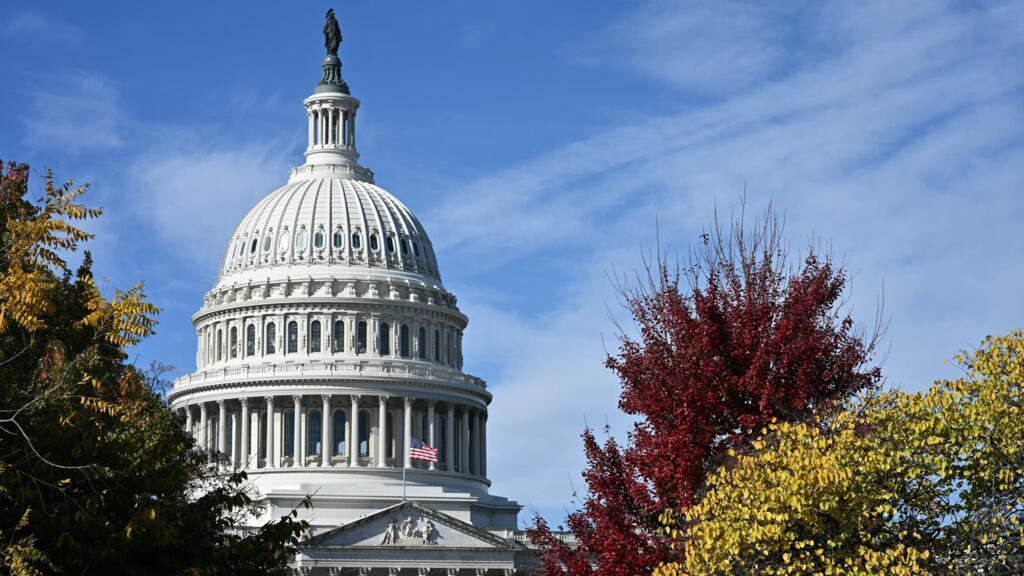
After weeks of political deadlock and mounting pressure, the prospect of an end to the US government shutdown is finally emerging. However, internal divisions within the Democratic Party threaten to complicate efforts to reach a bipartisan agreement. As negotiations intensify, the nation watches closely, hopeful for a resolution that will restore government operations and provide relief to millions affected by the ongoing impasse.
Endgame Negotiations as Democratic Factions Clash Over Funding Priorities
As the deadline approaches to end the government shutdown, Democratic leaders find themselves navigating internal disputes that threaten to derail final budget approvals. Key divisions have emerged over funding priorities, with progressive factions pushing for increased investment in climate change initiatives and social programs, while moderates emphasize fiscal restraint and enhanced national security spending. This stalemate has resulted in intense bargaining behind closed doors, where negotiators strive to balance competing demands without fracturing party unity.
Core Issues on the Table:
- Climate and Green Energy Funding: Progressives advocate for a 20% rise in allocation.
- Social Services Expansion: Calls to boost healthcare and education budgets.
- Defense Spending: Moderates seek stability to maintain military readiness.
- Fiscal Responsibility: Emphasis on addressing the national deficit.
| Faction | Key Demands | Stance on Shutdown |
|---|---|---|
| Progressives | Bold investment in climate & social programs | Willing to hold out longer for concessions |
| Moderates | Balanced budget with defense focus | Favor swift resolution to minimize impact |
Impact of Internal Divisions on Timely Resolution of the Government Shutdown
The protracted nature of the US government shutdown can largely be attributed to deep-seated internal divisions within the Democratic Party. These rifts have complicated efforts to present a unified front in negotiations, often leading to stalled talks and conflicting legislative priorities. Key factions within the party hold divergent views on budget allocations, with some pushing for increased social spending while others advocate for fiscal restraint. This lack of consensus has slowed the drafting of a comprehensive funding agreement, leaving crucial government functions in limbo.
Moreover, the impact of these internal disagreements extends beyond policy disputes to affect public perception and political leverage. Lawmakers’ public quarrels have undercut messaging, making it harder to rally bipartisan support and placate concerned constituents. Below is a summary of internal challenges contributing to the delay:
- Ideological splits over budget priorities
- Leadership disagreements on negotiation strategy
- Pressure from diverse constituencies complicating compromise
- Resistance to concessions perceived as weakening party principles
| Faction | Core Concern | Negotiation Impact |
|---|---|---|
| Progressive Wing | Expanded social programs | Delays over budget increases |
| Moderates | Fiscal responsibility | Push for spending caps |
| Leadership | Maintaining party unity | Struggles to balance demands |
Key Policy Concessions Under Debate Among Democratic Lawmakers
As negotiations intensify on Capitol Hill, Democratic lawmakers are mulling over several significant policy concessions that could pave the way for a resolution to the government shutdown. Central to the debate are proposals concerning climate action funding and infrastructure investments, which remain non-negotiable for many progressives aiming to safeguard the administration’s green agenda. However, moderates within the party have expressed concerns about the fiscal impact, prompting calls for compromises that balance ambitious programs with budgetary discipline.
Among the most contested issues are:
- Enhanced child care subsidies: Advocates push for an expansion to support working families, while opponents question sustainability.
- Strengthened voting rights legislation: Seen as essential by some Democrats but viewed as a potential stumbling block by others wanting to avoid contentious stand-offs.
- Immigration reform measures: A key priority that risks fracturing party unity amidst divergent views on border security and amnesty policies.
| Policy Area | Support Level | Primary Concerns |
|---|---|---|
| Climate Funding | High | Cost, implementation speed |
| Child Care Subsidies | Moderate | Budget constraints |
| Voting Rights | Divided | Political backlash |
| Immigration Reform | Contested | Security vs. Amnesty |
Strategies for Bridging Party Divides to Prevent Future Shutdowns
To forestall recurring government shutdowns, lawmakers must actively pursue channels that foster genuine bipartisan dialogue. This involves setting up permanent bipartisan working groups tasked with negotiating fiscal policies well before deadlines. By institutionalizing these discussion platforms, representatives from both parties can address contentious issues incrementally, avoiding last-minute standstills. Moreover, emphasizing transparency in negotiations and publicly sharing progress creates accountability, encouraging compromise over partisan gridlock.
Additional practical measures include adopting automatic continuing resolutions that temporarily fund government operations when budget talks stall, thereby preventing abrupt shutdowns. Political leadership can also incentivize cross-party cooperation through structured rewards such as priority bill hearings and committee assignments. The table below outlines key strategies and their potential impact on reducing shutdown risks:
| Strategy | Purpose | Expected Outcome |
|---|---|---|
| Bipartisan Working Groups | Facilitate ongoing dialogue | Reduced last-minute conflicts |
| Automatic Continuing Resolutions | Provide temporary funding fallback | Prevents immediate shutdowns |
| Transparency Measures | Increase public accountability | Encourages compromise |
| Incentivized Cooperation | Reward bipartisanship | Improves legislative productivity |
Insights and Conclusions
As the standoff over government funding continues, the sharp divisions among Democrats underscore the challenges ahead in reaching a consensus. While the possibility of an end to the shutdown appears near, uncertainty remains as lawmakers navigate internal disputes and external pressures. Observers will be watching closely in the coming days to see if compromise can prevail and restore full government operations.