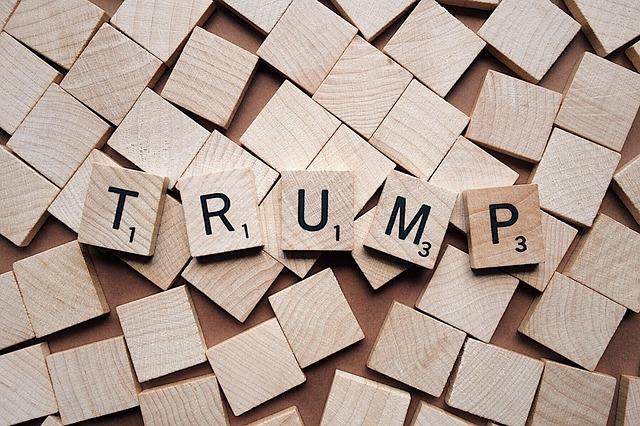
Federal officials have reportedly begun confidentially advising state election authorities amid growing concerns over potential interference linked to former President Donald Trump in upcoming elections. According to sources, this behind-the-scenes guidance aims to bolster election security and safeguard the integrity of the voting process as officials confront fears of renewed efforts to influence electoral outcomes. The developments highlight ongoing tensions surrounding election preparedness in the United States.
U.S. Officials Quietly Counsel States on Safeguarding Election Integrity
In recent weeks, several states have quietly received briefings led by federal officials aimed at reinforcing election security protocols in the wake of growing concerns over potential interference. These sessions focus primarily on practical steps to counteract misinformation, harden cyber defenses, and ensure transparency throughout the voting process. Key emphasis has been placed on collaboration between state election boards and federal cybersecurity agencies to prevent unauthorized access and safeguard voter data.
Recommended strategies include:
- Implementing multi-factor authentication for all election systems
- Conducting rigorous post-election audits and recount protocols
- Enhancing public communication to dispel false claims about voting integrity
- Engaging bipartisan oversight committees to monitor election activities
| State | Focus Area | Security Measure |
|---|---|---|
| Pennsylvania | Voter Database Protection | Encrypted backups |
| Arizona | Disinformation Response | Rapid fact-check teams |
| Georgia | Physical Voting Systems | Paper audit trails |
Focused Strategies to Detect and Prevent Foreign Interference in Voting Processes
In response to heightened concerns over electoral integrity, U.S. officials are deploying targeted measures to identify and neutralize attempts of foreign interference. These efforts include advanced cybersecurity protocols designed to safeguard election infrastructure and real-time monitoring systems to detect suspicious activities. States have been provided with detailed advisories emphasizing the importance of multi-layered authentication processes and the integration of robust chain-of-custody procedures for voting machines and ballots.
Collaboration across federal and state agencies underscores these strategies, ensuring swift information sharing and coordinated responses. Key elements highlighted by officials include:
- Enhanced threat intelligence: Continuous updates from intelligence communities provide actionable insights.
- Public awareness campaigns: Educating voters on potential disinformation tactics.
- Regular security audits: Independent inspections of election systems before and after elections.
| Strategy | Primary Focus | Expected Impact |
|---|---|---|
| Cybersecurity Enhancement | Secure Systems | Reduce hacking risks |
| Intelligence Sharing | Threat Awareness | Early Warnings |
| Voter Education | Disinformation Defense | Informed Electorate |
Collaboration Between Federal and State Authorities Strengthens Election Security
Federal and state election officials have intensified their collaborative efforts to safeguard the integrity of upcoming elections amid heightened concerns regarding potential interference. These efforts include confidential advisory sessions where federal agencies share intelligence and best practices with state counterparts to preempt any destabilizing tactics. Authorities emphasize the importance of a unified approach, combining resources and expertise to detect and counteract any attempts at election manipulation swiftly. This partnership ensures that states have the support needed to fortify their systems against a spectrum of threats, ranging from cyberattacks to disinformation campaigns.
Key strategies deployed through this cooperation highlight:
- Enhanced monitoring of voting infrastructure for suspicious activity.
- Rapid response protocols to address vulnerabilities identified during pre-election assessments.
- Community outreach programs to educate voters and mitigate misinformation.
| Collaboration Area | Key Actions |
|---|---|
| Intelligence Sharing | Real-time threat updates between agencies |
| Infrastructure Security | Joint vulnerability assessments and patches |
| Public Communications | Coordinated misinformation rebuttal campaigns |
Recommendations Emphasize Transparency and Voter Education to Build Public Trust
In response to growing concerns over election integrity, officials have urged states to implement clear and open communication strategies that directly address the public’s doubts. Among the key strategies recommended are:
- Detailed voter education campaigns explaining the voting process, security measures, and how ballots are counted.
- Regular updates and transparent reporting on the steps taken to safeguard elections against foreign or domestic interference.
- Community outreach initiatives to engage diverse voter groups and dispel misinformation.
Experts highlight that restoring confidence hinges not only on securing the voting infrastructure but also on proactively informing citizens about safeguards in place. The shared goal is fostering an environment where voters feel informed, empowered, and assured that their votes are accurately counted and protected.
| Recommendation | Primary Purpose | Expected Outcome |
|---|---|---|
| Voter Education | Clarify voting rules and procedures | Reduce confusion and skepticism |
| Transparency Reports | Publicly share security updates | Build trust through accountability |
| Community Outreach | Engage and inform diverse voters | Combat misinformation effectively |
The Way Forward
As concerns over election security continue to mount, the private advisories from U.S. officials underscore the ongoing challenges faced by state authorities in safeguarding the electoral process. While public reassurances have been offered, the confidential nature of these warnings highlights the complexities and sensitivities involved in addressing potential interference. Moving forward, the collaboration between federal and state agencies will be crucial in ensuring the integrity of upcoming elections amid a highly charged political environment.