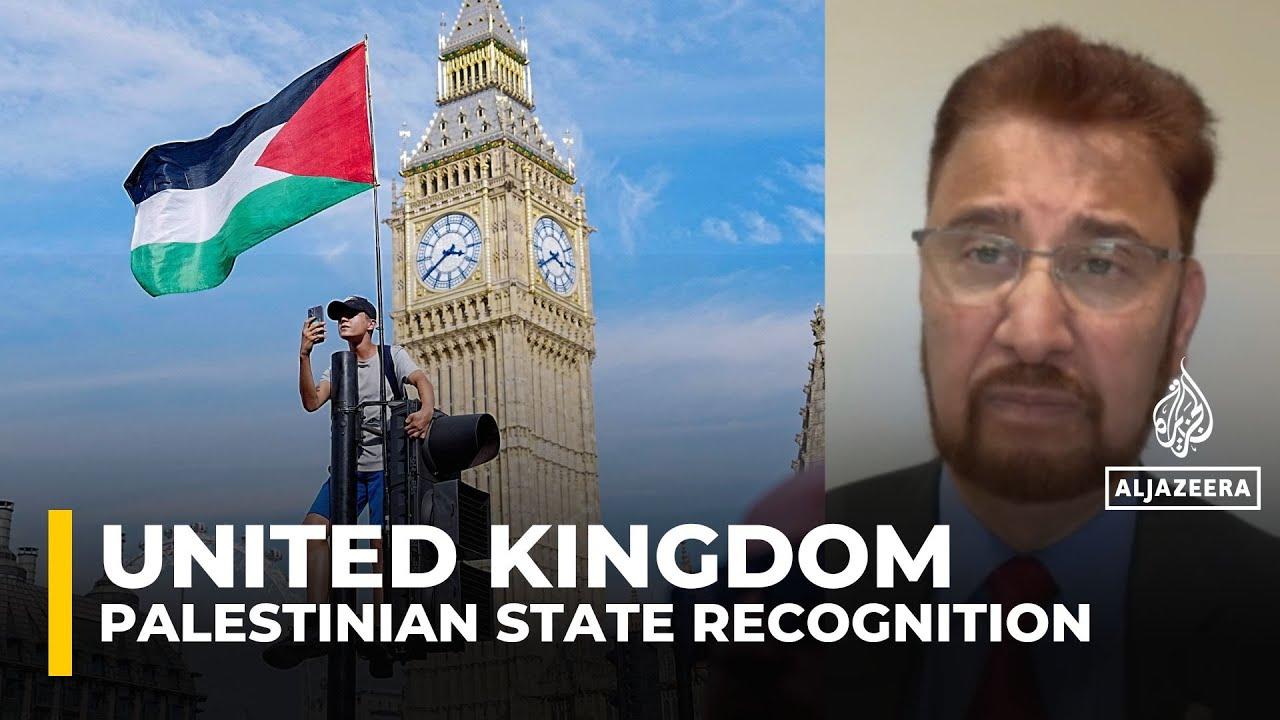
As international tensions surrounding the Israeli-Palestinian conflict continue to shape global diplomacy, the recognition of Palestinian statehood remains a pivotal and often contentious issue. Countries around the world grapple with the political, legal, and strategic implications of formally acknowledging Palestine as a sovereign state. This article explores what it truly means for nations to recognize Palestinian statehood, the motivations behind such decisions, and the impact on international relations, offering readers a comprehensive understanding of a complex and evolving geopolitical matter.
Understanding the Legal and Political Implications of Recognizing Palestinian Statehood
Recognizing Palestinian statehood carries profound legal and political ramifications that ripple across international diplomacy. On a legal front, such recognition challenges existing frameworks under international law regarding state sovereignty and territorial rights. It often leads to calls for Palestinian membership or observer status in global bodies like the United Nations, impacting treaties and agreements with other nations. Moreover, countries extending recognition may face pressure to reconsider their bilateral relationships with Israel and the broader Middle East region, positioning themselves within complex geopolitical tensions.
Politically, recognition acts as a powerful signal of support for Palestinian self-determination, influencing peace negotiations and regional alliances. It can embolden Palestinian leadership while provoking strong reactions from opposing parties, sometimes escalating diplomatic standoffs or prompting economic sanctions. Importantly, the decision is often a reflection of a country’s broader foreign policy objectives, aligning with strategic interests such as:
- Strengthening ties with Arab nations
- Navigating U.S. influence and its Middle East policy
- Balancing ideological commitments to human rights and international law
| Country | Recognition Status | Main Political Impact |
|---|---|---|
| Sweden | Recognized in 2014 | Enhanced diplomatic influence in Middle East peace talks |
| United States | Does not officially recognize | Maintains strong support for Israel, influences peace negotiation dynamics |
| Brazil | Recognized in 2010 | Shifted regional alliances and opened new diplomatic channels |
How Recognition Affects Diplomatic Relations in the Middle East
Recognition of a Palestinian state carries significant weight in reshaping alliances and power dynamics across the Middle East. For many nations, it serves as a bold affirmation of Palestinian self-determination, influencing their diplomatic posture towards both Israel and Palestinian authorities. Countries that extend official recognition often witness a recalibration of their foreign relations, sometimes warming ties with other Arab states and entities supportive of Palestinian sovereignty. Conversely, such recognition can create friction with allies who view it as premature or undermining ongoing peace negotiations. The delicate balance in the region means that recognition acts as both a political statement and a strategic tool in international diplomacy.
The ramifications also extend beyond bilateral relations, affecting the broader geopolitical landscape. Key consequences include:
- Increased diplomatic engagement among like-minded countries, fostering new economic and political partnerships.
- Heightened tensions with states opposing recognition, potentially leading to sanctions or reduction in aid.
- Shifts in international forums, with recognized Palestinian statehood enabling stronger participation in organizations like the UN.
- Impact on peace processes, either accelerating dialogue or causing diplomatic gridlock depending on the stakeholders involved.
| Country | Recognition Status | Impact on Relations |
|---|---|---|
| Jordan | Recognized | Strengthened Arab coalition |
| USA | Not formally recognized | Maintains close Israel ties |
| Egypt | Recognized | Balancing peace and support |
| Saudi Arabia | Ambiguous | Strategic neutrality |
The Role of International Law in Statehood Recognition
International law serves as the foundational framework guiding how states recognize new entities as sovereign. Recognition is not simply a political act but one steeped in legal principles enshrined in treaties and customary international law. The Montevideo Convention of 1933, for example, outlines the criteria a state must meet to be acknowledged on the world stage: a defined territory, a permanent population, an effective government, and the capacity to enter into relations with other states. When countries recognize Palestinian statehood, they implicitly affirm that Palestine meets these conditions under international law, influencing diplomatic relations and international policy.
- Sovereignty and legitimacy: Legal recognition can bolster Palestine’s claim to sovereignty and strengthen its hand in negotiations.
- Impact on international bodies: Recognition affects Palestine’s ability to join organizations like the United Nations.
- Precedent for diplomatic ties: It sets a legal precedent for other states to establish formal relations or treaties.
| Legal Criteria | Palestine’s Status | Impact of Recognition |
|---|---|---|
| Defined Territory | Disputed borders | Complicates full recognition |
| Permanent Population | Yes, millions reside | Fulfills basic criterion |
| Effective Government | Limited control | Challenges sovereignty claims |
| International Relations | Partial diplomatic ties | Recognition expands this |
Ultimately, the role of international law in state recognition extends beyond formality—it shapes the geopolitical landscape and defines the legal status of emerging states. For Palestine, recognition by multiple countries strengthens its political leverage and opens doors within global institutions, yet varying interpretations of legal standards keep its statehood status complex and contested on the world stage.
Pathways for Countries to Navigate the Recognition Process and Its Consequences
Countries considering the recognition of Palestinian statehood face a complex array of diplomatic, legal, and regional factors. The process often begins with a careful evaluation of international law implications, particularly regarding the criteria set by the United Nations for state recognition. Governments must weigh the potential benefits of endorsing Palestinian sovereignty against the risks of strained ties with key global and regional allies. For many nations, recognition serves as a strategic statement on self-determination and international justice, but it also necessitates navigating delicate peace negotiations.
- Legal considerations: Assessing compliance with international norms and UN resolutions.
- Diplomatic balancing: Maintaining relations with Israel, the United States, and Arab states.
- Domestic politics: Addressing internal divergent views on Middle East policy.
- Economic factors: Evaluating trade and aid impacts stemming from recognition.
Once recognition is extended, countries often face immediate diplomatic shifts, ranging from increased engagement with Palestinian authorities to potential backlash from opposing factions. Trade agreements, security cooperation, and humanitarian aid channels may be recalibrated to reflect new political stances. Furthermore, global institutions where state participation matters, such as the International Criminal Court, witness changes in membership dynamics and influence. Navigating these consequences requires clear communication strategies and adaptive foreign policy frameworks to uphold both national interests and international commitments.
| Consequence | Potential Impact | Response Strategies |
|---|---|---|
| Diplomatic pressure | Increased engagement or sanctions risk | Multilateral dialogue & alliance building |
| Economic realignment | Changes in trade partnerships | Economic diversification and aid reallocation |
| Legal participation | Access to international courts | Policy adaptation to international rulings |
| Security dynamics | Shifts in regional alliances | Strengthened defense diplomacy |
To Wrap It Up
As the debate over Palestinian statehood recognition continues to unfold on the international stage, the decisions made by individual countries carry significant diplomatic and geopolitical weight. For some nations, recognition symbolizes a commitment to Palestinian self-determination and a step toward resolving long-standing conflicts. For others, it reflects complex alliances and strategic interests. Understanding what recognition entails—and the varied implications it holds—remains essential as the global community navigates this deeply contested issue.