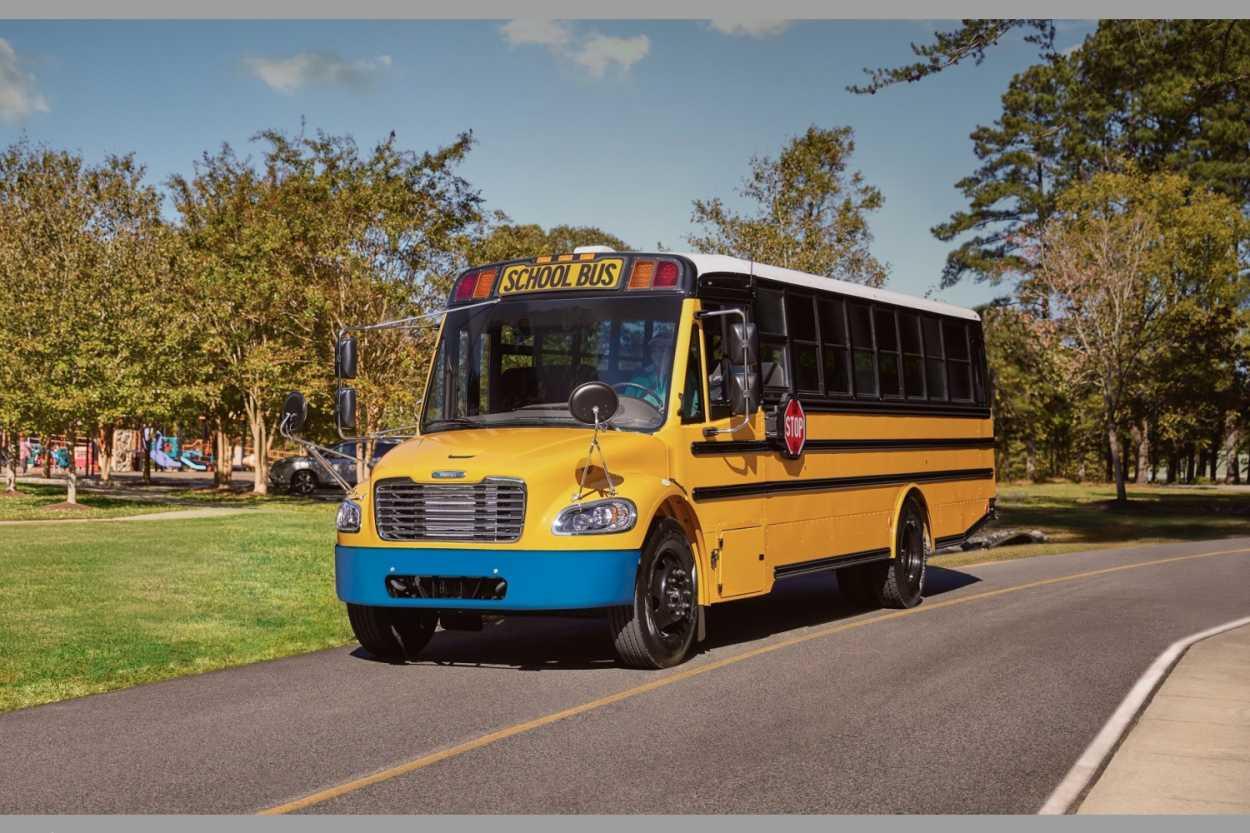
A recent report highlighted by E&E News reveals that transitioning to electric school buses across the United States could significantly improve public health outcomes. The analysis, featured in POLITICO Pro, underscores how replacing diesel-powered buses with cleaner, battery-electric models would reduce harmful emissions, benefiting children’s respiratory health and reducing pollution-related illnesses nationwide. As policymakers weigh infrastructure investments and climate goals, the findings add new urgency to accelerating the adoption of electric vehicles in school transportation fleets.
Health Benefits of Transitioning to Electric School Buses for American Children
Transitioning from diesel-powered to electric school buses would significantly reduce children’s exposure to harmful air pollutants like nitrogen oxides and particulate matter. These pollutants, primarily emitted by traditional buses, are linked to respiratory issues such as asthma, bronchitis, and other chronic lung conditions, especially in young children who are more vulnerable to air quality changes. By adopting electric buses, school districts could substantially improve air quality around schools and bus routes, leading to fewer asthma attacks and hospital visits among students.
Beyond respiratory health, electric buses can also contribute to cardiovascular wellness and better neurodevelopmental outcomes in children exposed to cleaner environments. Studies correlate air pollution with increased risks of heart problems and cognitive impairments, conditions that might be mitigated by cutting emissions from school transportation. Additionally, quieter electric buses reduce noise pollution, creating a less stressful and more conducive environment for learning and well-being.
- 35% projected reduction in childhood asthma exacerbations
- 50% fewer school days missed due to respiratory illness
- Near-zero tailpipe emissions
- Reduced noise improves concentration and student attentiveness
Environmental Impact of Reduced Emissions from Replacing Diesel Fleets
The transition from diesel-powered school buses to electric models represents a significant stride in curbing harmful emissions that have long plagued urban and suburban environments. Diesel engines emit a cocktail of pollutants, including nitrogen oxides (NOx) and particulate matter (PM), both linked to respiratory and cardiovascular diseases. By electrifying school transportation, communities anticipate a substantial drop in these hazardous emissions, directly benefiting children—who are uniquely vulnerable to air pollution—and the broader population.
Key environmental benefits include:
- Reduction in greenhouse gases, aiding efforts against climate change.
- Improved local air quality, especially in school zones and residential neighborhoods.
- Decreased dependence on fossil fuels, promoting sustainable energy practices.
A recent analysis compared emissions from typical diesel fleets to electric counterparts, highlighting a potential 70-90% reduction in NOx and PM levels across affected regions.
| Pollutant | Diesel Fleet (annual tons) | Electric Fleet (annual tons) | Reduction (%) |
|---|---|---|---|
| Nitrogen Oxides (NOx) | 1,200 | 360 | 70% |
| Particulate Matter (PM 2.5) | 320 | 38 | 88% |
| CO2 Emissions | 15,000 | 4,500 | 70% |
Economic Opportunities and Challenges in Electric School Bus Adoption
Transitioning to electric school buses represents a significant economic pivot with both promising opportunities and notable hurdles. Federal and state incentives, combined with declining battery costs, are driving down total ownership expenses, making electric models increasingly competitive against traditional diesel fleets. For school districts, this shift opens avenues for long-term savings on maintenance and fuel, while also fostering local job growth in clean energy sectors. According to recent analyses, investments in electric bus infrastructure could create thousands of manufacturing and service positions nationwide, promoting economic revitalization in communities historically dependent on fossil fuels.
However, challenges remain in ensuring equitable access to these benefits. Upfront purchase prices for electric buses still exceed diesel alternatives by 50-80%, straining tight education budgets. Additionally, the need for upgraded charging facilities and grid enhancements introduces further financial and logistical complexities. The table below outlines key financial considerations for stakeholders contemplating electric school bus adoption:
| Factor | Electric Bus | Diesel Bus |
|---|---|---|
| Initial Purchase Cost | $300,000 – $350,000 | $120,000 – $180,000 |
| Fuel & Maintenance Savings (10 years) | $70,000 – $90,000 | Baseline |
| Charging Infrastructure | $20,000 – $40,000 per site | None |
| Federal & State Incentives | Up to 75% cost-reduction | Minimal |
Strategic policy frameworks and sustained funding will be essential to overcome these economic barriers, ensuring that the shift to electric school buses not only advances environmental and public health goals but also enhances the economic resilience of school districts across the country.
Policy Recommendations to Accelerate Nationwide Electrification Efforts
To expedite the transition to electric school buses across the nation, policymakers must prioritize a multi-faceted approach that addresses infrastructure, funding, and regulatory support. Expanding federal and state grants to school districts can lower the upfront costs, making electric bus purchases more accessible. Meanwhile, streamlining the permitting process for charging stations can accelerate deployment, ensuring a reliable and widespread charging network. Equally critical is investing in workforce training programs to prepare technicians and drivers for the operation and maintenance of electric fleets.
Targeted incentives can also drive faster adoption, particularly in underserved communities that stand to gain the most from reduced air pollution. Below is a suggested framework for policy actions to boost nationwide electrification:
| Policy Focus | Recommended Actions |
|---|---|
| Funding & Grants | Increase dedicated federal/state subsidies; Create low-interest loans for districts |
| Infrastructure Development | Accelerate grid upgrades; Expand public-private partnerships for charging stations |
| Regulatory Reform | Simplify permitting; Implement clean vehicle mandates |
| Workforce Training | Fund technical education programs; Partner with community colleges |
| Equity & Access | Prioritize funding for low-income districts; Monitor air quality improvements |
To Conclude
The shift to electric school buses represents a significant step forward in addressing both environmental and public health concerns in the United States. As the POLITICO Pro report highlights, reducing diesel emissions from school transportation could lead to cleaner air and improved health outcomes for millions of children. With growing federal support and technological advances, the transition to electric fleets is poised to accelerate, marking a pivotal moment in the nation’s broader efforts to combat climate change and protect vulnerable communities. Stakeholders across sectors will need to collaborate closely to ensure the successful deployment of this cleaner, quieter transportation alternative in school districts nationwide.