
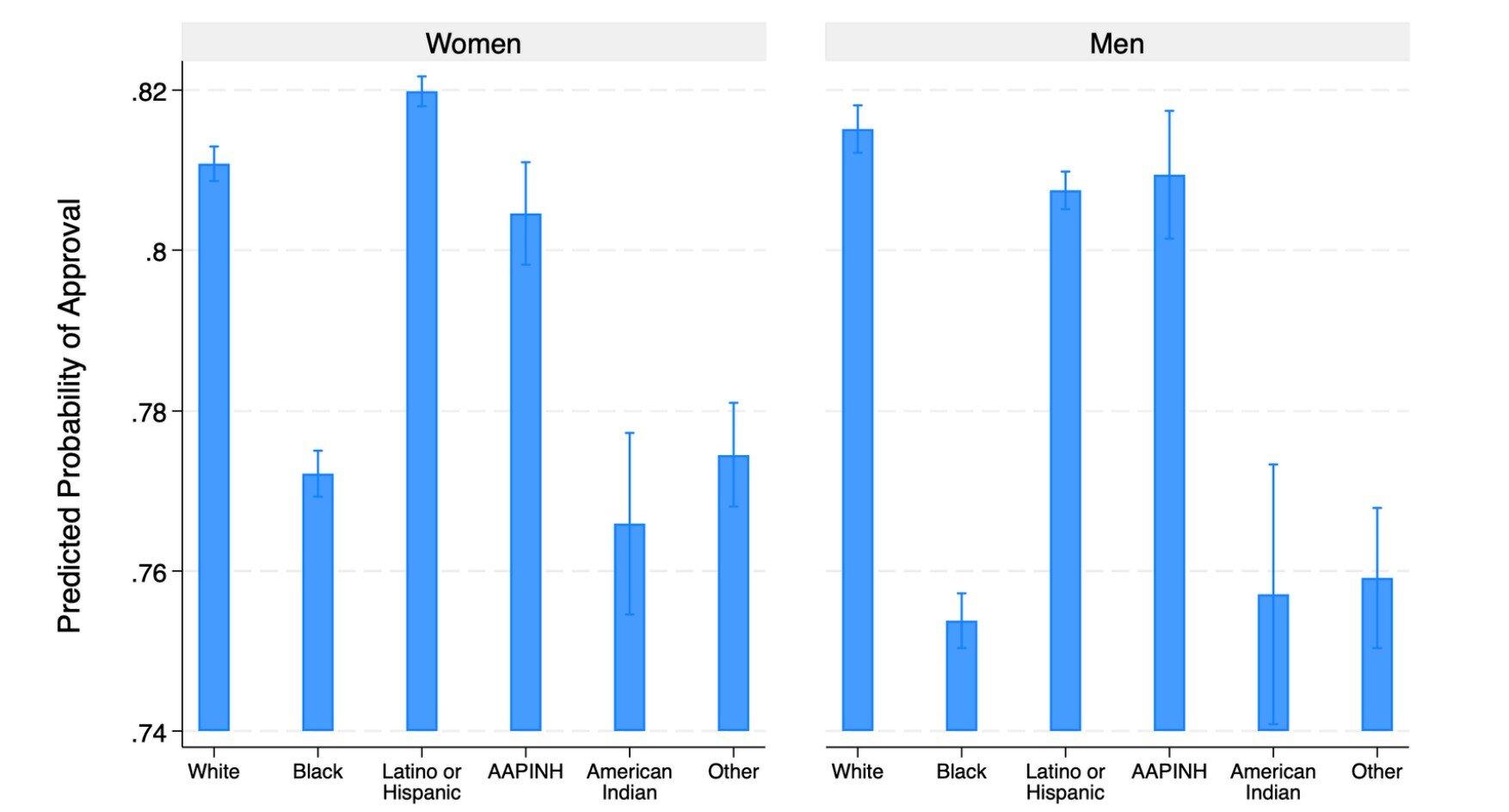
A recent report released by the University of Michigan’s Poverty Solutions initiative has brought to light troubling evidence of racial and gender bias within crime victim compensation programs across the United States. The study reveals significant disparities in how victims receive support, suggesting that systemic inequalities continue to shape access to justice and aid. As policymakers and advocacy groups grapple with these findings, the report calls for urgent reforms to ensure that all victims, regardless of race or gender, are treated fairly and equitably in the aftermath of crime.
Racial Disparities in Access to Crime Victim Compensation Examined
Recent findings reveal that systemic inequalities continue to plague crime victim compensation programs across the United States, disproportionately hindering access for racial minorities. Despite the programs’ intended purpose to alleviate financial burdens following victimization, many Black, Indigenous, and people of color (BIPOC) face significant barriers that delay or deny their rightful support. Key obstacles include stringent eligibility criteria, bureaucratic complexity, and implicit bias among administrative personnel, all contributing to lower approval rates for victims from marginalized communities.
Highlighted Disparities:
- Lower award amounts granted to minority applicants compared to white counterparts.
- Longer wait times for claim processing in communities with higher minority populations.
- Language and cultural challenges that inhibit effective communication and advocacy.
| Demographic Group | Approval Rate (%) | Average Compensation Awarded ($) |
|---|---|---|
| White victims | 68 | 4,200 |
| Black victims | 53 | 3,150 |
| Hispanic victims | 55 | 3,400 |
| Indigenous victims | 49 | 2,900 |
Gender Bias Influences on Compensation Outcomes Revealed
New research uncovering compensation disparities in crime victim programs across the United States has brought to light notable inequalities deeply rooted in gender bias. Victims identifying as women reportedly receive lower compensation awards compared to their male counterparts, even when controlling for the type and severity of crime. This troubling trend persists despite standardized guidelines intended to ensure fairness, suggesting implicit biases are influencing case outcomes at multiple administrative levels.
Key findings include:
- Women victims are less likely to receive the full amount of compensation approved by boards.
- Gender stereotypes around victim credibility and emotional expression disproportionately affect awards.
- Administrative personnel often unconsciously assign lower value to losses reported by women.
| Victim Gender | Average Compensation | Full Award Rate |
|---|---|---|
| Women | $7,500 | 62% |
| Men | $9,200 | 74% |
| Non-binary/Other | $8,100 | 69% |
Impact of Bias on Economic Recovery for Victims Explored
Systemic biases within US crime victim compensation programs are creating significant barriers to economic recovery for marginalized groups. Recent research highlights that victims facing racial and gender discrimination are less likely to receive timely and adequate financial support, exacerbating disparities in the aftermath of crime. These biases hinder access to crucial resources such as medical expenses, lost wages, and counseling services, making it disproportionately difficult for affected individuals to regain financial stability and rebuild their lives. The compounding effects of this inequity contribute not only to personal hardships but also to broader economic disparities in communities already vulnerable due to historic exclusion.
Unveiling data trends further clarifies the scope of this issue:
- Approval rates: White victims report a 23% higher approval rate for compensation claims compared to Black and Hispanic victims.
- Gender gaps: Women are 18% less likely than men to receive full compensation for lost wages.
- Claim processing times: Minority groups experience an average delay of 45 days longer in claim resolution.
These disparities reveal urgent needs for policy reform aimed at dismantling systemic bias. Without targeted interventions, the cycle of economic hardship endured by many victims will persist, undermining equitable recovery efforts and perpetuating social inequities in post-crime support frameworks.
Policy Recommendations Aim to Ensure Equitable Support Across Demographics
Experts emphasize the need for comprehensive reform efforts to address systemic discrepancies in victim compensation programs across the United States. Key proposals include mandatory bias training for decision-makers, standardized eligibility criteria, and transparent data reporting to track racial and gender disparities effectively. These changes aim to cultivate a more just and responsive system, ensuring victims receive equitable support regardless of their background.
Among the suggested strategies, community engagement stands out as a critical avenue to enhance trust and accessibility. Policymakers are encouraged to collaborate closely with grassroots organizations and advocates who understand localized challenges faced by marginalized groups. This approach also includes adopting culturally responsive outreach programs and simplifying application processes to remove barriers that disproportionately impact vulnerable populations.
- Standardize eligibility and assessment procedures to minimize subjective judgments
- Implement ongoing bias training for program administrators
- Increase transparency via public reporting of compensation data by demographics
- Engage trusted community partners to boost program awareness and participation
| Recommendation | Expected Impact |
|---|---|
| Bias-focused training for decision-makers | Reduction in discriminatory denials |
| Transparent demographic data reporting | Enhanced public accountability |
| Simplified application procedures | Increased accessibility for marginalized groups |
To Wrap It Up
The University of Michigan report sheds critical light on the persistent racial and gender disparities embedded within US crime victim compensation programs, calling attention to systemic inequities that hinder access to justice and support for marginalized communities. As policymakers and advocates grapple with these findings, the report underscores the urgent need for reforms that ensure equitable treatment and resources for all victims, regardless of their background. Addressing these biases is essential for building a fairer, more inclusive system that upholds the principles of justice and accountability at the heart of victim support initiatives nationwide.