
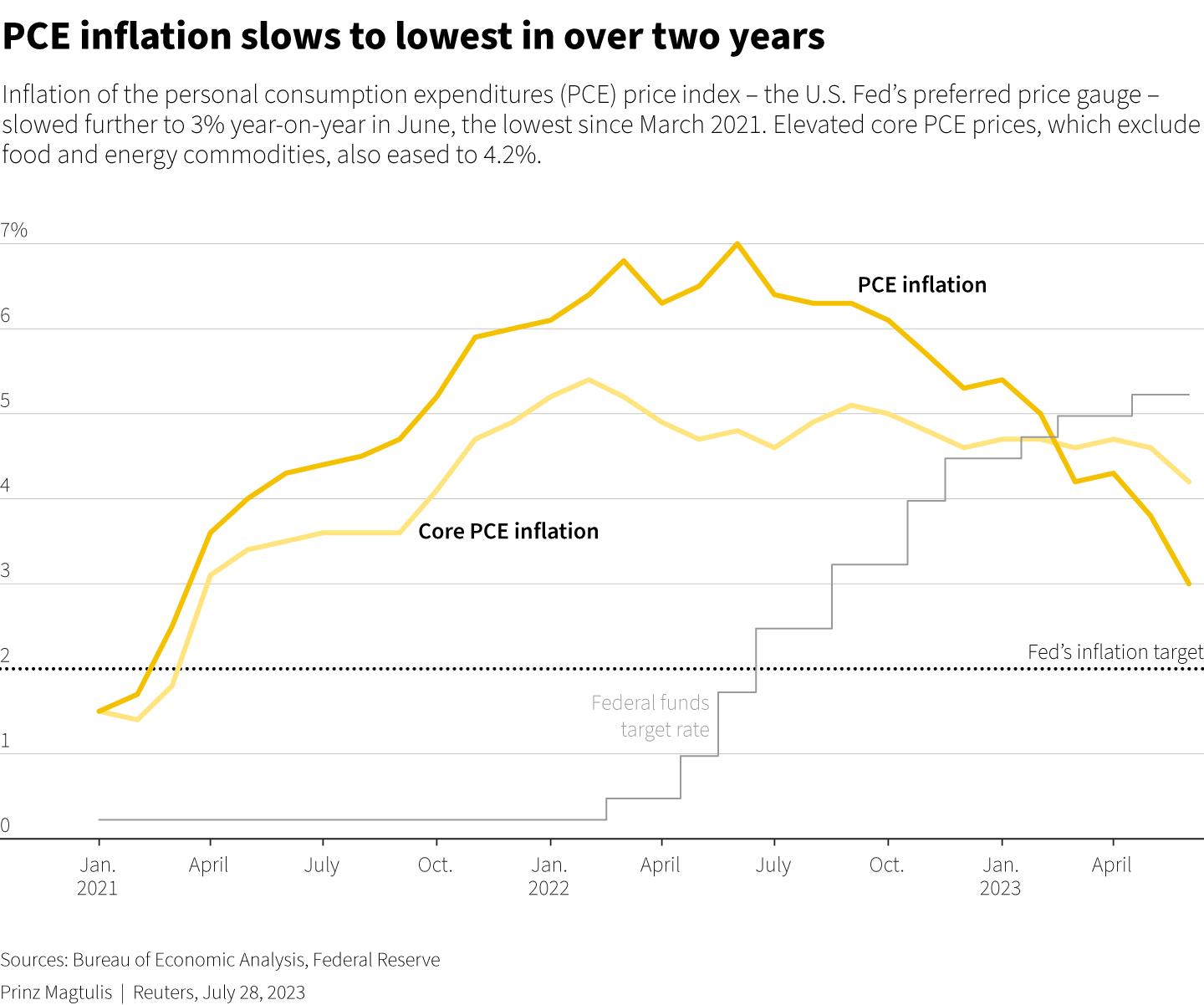
Inflation in the United States surged at an accelerated pace in June, raising fresh concerns about the economy’s trajectory and the impact on consumers’ wallets. Analysts and policymakers are increasingly eyeing the so-called “tariff shock”—the escalating costs tied to import tariffs—as a potential driving force behind the rising prices. As Americans face higher bills across a range of goods and services, experts question whether this marks the beginning of a sustained inflationary trend fueled by trade tensions. This article delves into the latest data, the forces behind inflation’s recent jump, and what it could mean for the months ahead.
Inflation Surges in June Driven by Rising Tariff Costs
June’s inflation spike caught economists off-guard as tariffs on imported goods, particularly from key trade partners, began to significantly impact consumer prices. The increase reflects a chain reaction where businesses pass on higher import costs to end buyers, intensifying the inflationary pressure felt across multiple sectors. Key contributors to this uptick include:
- Higher costs on electronics and appliances: Tariff hikes on these products have led to noticeable price increases in retail stores nationwide.
- Transportation and logistics expenses: Rising tariffs have boosted shipping and handling fees, which ripple through the supply chain.
- Food and agricultural imports: Certain agricultural items previously unaffected are seeing price adjustments tied to new trade restrictions.
Analysts suggest that this “tariff shock” could persist if current trade policies remain unchanged, potentially prolonging inflationary trends into the latter half of the year. Below is a snapshot of recent price adjustments comparing May to June:
| Category | Price Increase (%) May-June |
|---|---|
| Consumer Electronics | 4.7% |
| Appliances | 3.2% |
| Shipping & Logistics | 5.1% |
| Food Imports | 2.9% |
Analyzing the Economic Impact of Tariff-Induced Price Hikes
The ripple effects of recent tariff adjustments have clearly manifested in rising consumer prices, putting additional strain on household budgets. Key sectors—such as electronics, automotive, and household goods—have witnessed marked cost increases, which economists attribute directly to tariff-induced supply chain disruptions. The added import duties translate into higher production costs for manufacturers, many of whom pass these expenses onto consumers, effectively accelerating inflation beyond prevailing economic forecasts.
Examining the data reveals:
- Import prices surged by 8.2% in June compared to the previous month.
- Consumer spending on tariff-affected goods grew slower, highlighting reduced purchasing power.
- Supply bottlenecks intensified, with lead times extending by up to 25% in critical industries.
| Sector | Price Increase (%) | Tariff Rate Change (%) |
|---|---|---|
| Electronics | 12.4 | 15.0 |
| Automotive | 9.7 | 10.5 |
| Household Goods | 7.3 | 8.9 |
These figures underscore the tangible impact tariffs wield over price structures. Beyond immediate consumer pain points, businesses face strategic recalibrations—exploring alternative sourcing, adjusting inventory strategies, and reassessing investment priorities. As the marketplace adapts, the broader question remains whether these tariff-driven cost pressures will subside quickly or embed themselves into long-term inflationary dynamics.
Consumer Squeeze and Business Challenges Amid Tariff Pressures
The surge in tariffs has intensified the financial strain on both consumers and businesses across the nation. Household budgets are tightening as everyday goods become pricier, squeezing disposable income right when inflationary pressures are peaking. Retailers report increasing difficulty in absorbing added costs, frequently passing them onto shoppers in the form of higher prices. This ripple effect threatens consumer spending—a key engine of economic growth—potentially throttling the broader recovery momentum amid volatile global trade conditions.
Businesses face a multi-faceted challenge: navigating supply chain disruptions, managing rising input costs, and adapting to fluctuating tariff regimes. Small and medium enterprises (SMEs) are particularly vulnerable, lacking the financial buffer or pricing power of larger corporations. The landscape is becoming increasingly fragmented, with sectors feeling the impact differently:
- Manufacturing: Elevated raw material tariffs inflate production costs, squeezing profit margins.
- Retail: Inventory restocking costs rise, forcing difficult pricing decisions.
- Logistics: Increased operational expenses due to delayed shipments and regulatory compliance.
| Sector | Tariff Impact | Business Response |
|---|---|---|
| Electronics | +15% | Seek alternative suppliers |
| Apparel | +20% | Shift production overseas |
| Agriculture | +10% | Explore new export markets |
Strategic Responses for Policymakers and Businesses to Mitigate Inflation Effects
In light of the mounting inflationary pressures, policymakers must adopt a multifaceted strategy that balances monetary tightening with targeted fiscal support. Prioritizing transparent communication about interest rate adjustments can help anchor inflation expectations, preventing a wage-price spiral. Additionally, enhancing supply chain resilience through investment in logistics infrastructure and trade diversification is essential to counteract external shocks like tariff hikes. Tax relief programs for vulnerable households, combined with subsidies for critical sectors, can alleviate immediate cost burdens without exacerbating long-term inflation risks.
Businesses, on the other hand, should focus on operational agility and cost management. Embracing technology-driven efficiencies, renegotiating supply contracts, and exploring alternative sourcing are key levers to mitigate rising input costs. Moreover, transparent pricing strategies that clearly convey the rationale behind price adjustments can maintain consumer trust. Below is a brief overview of recommended strategic actions:
- For Policymakers: Enhance monetary policy coordination, invest in supply chain innovation, and implement targeted fiscal relief measures.
- For Businesses: Optimize operational efficiencies, diversify suppliers, and maintain clear communication with customers regarding pricing.
| Stakeholder | Key Strategy | Expected Outcome |
|---|---|---|
| Policymakers | Supply chain investment | Reduced external shocks |
| Policymakers | Targeted subsidies | Lower consumer burden |
| Businesses | Alternative sourcing | Cost stability |
| Businesses | Transparent pricing | Consumer retention |
To Wrap It Up
As inflation continues to accelerate, fueled in part by rising tariffs and ongoing supply chain disruptions, policymakers and consumers alike face mounting uncertainty. Whether the so-called “tariff shock” will have lasting effects on prices and economic growth remains to be seen. For now, the June data underscores the challenges ahead in stabilizing the economy and managing inflationary pressures in an increasingly complex global trade environment.