
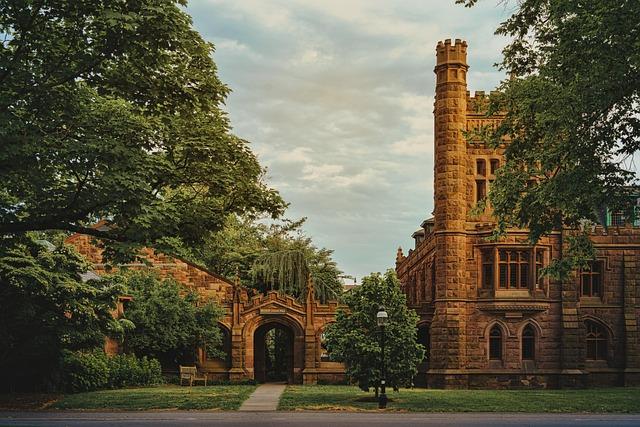
A recent report by StudyTravel Network reveals a striking snapshot of the current state of university enrolments across the United States this fall. The data highlights a continuing downward trend in student numbers, influenced by shifting policy landscapes and evolving recruitment priorities. As institutions grapple with these challenges, their methods of attracting and retaining students are undergoing significant changes, reflecting broader national and global education dynamics. This article delves into the key findings of the study, exploring what declining enrolments mean for American higher education and how universities are responding to these critical developments.
Declining Enrolments Raise Concerns Across US Universities
Universities across the United States are grappling with a significant drop in student enrolments this fall semester, triggering alarm among academic leaders and policymakers. The trend is attributed to a combination of demographic shifts, economic uncertainties, and shifting international student mobility. Several institutions reported double-digit percentage declines, particularly in undergraduate programs, challenging their financial sustainability and prompting urgent strategic recalibrations.
Key factors driving this downturn include:
- Changing immigration policies impacting international student admissions
- Rising tuition costs coupled with tightening financial aid budgets
- Increased competition from online education platforms
- Shifts in student preferences towards STEM and vocational studies
| University Type | Enrolment Decline (%) | Primary Cause |
|---|---|---|
| Public Research | 12% | International Student Drop |
| Private Liberal Arts | 8% | Domestic Applicant Decline |
| Community Colleges | 15% | Economic Uncertainty |
Policy Shifts and Their Direct Impact on International Student Recruitment
Recent changes in U.S. immigration and education policies have triggered palpable shifts in international student recruitment dynamics. The tightening of visa approvals, shifting work authorization rules, and evolving government stances on international education have prompted universities to recalibrate their strategies. Institutions are increasingly prioritizing transparency and communication, aiming to reassure prospective students amid uncertainty and enhance their competitive edge in a more restrictive environment.
Key policy effects driving strategic recruitment changes include:
- Increased demand for virtual recruitment fairs and digital engagement tools
- Emphasis on partnerships with international feeder schools to create reliable pipelines
- Adapting aid packages and scholarship offerings in response to shifting financial needs
- Revising academic program marketing to highlight post-graduation work opportunities
| Policy Element | Direct Recruitment Impact | University Response |
|---|---|---|
| Visa Processing Delays | Drop in applications due to uncertainty | Flexible enrollment deferrals; enhanced visa support |
| Work Authorization Restrictions | Reduced appeal for career-minded students | Innovative internships and co-op program promotion |
| Travel Restrictions | Lower initial enrolments from key regions | Increased virtual campus experiences and outreach |
Universities Prioritize Strategic Recruitment to Counteract Enrollment Drops
In response to recent enrollment declines across numerous campuses, higher education institutions are intensifying efforts around strategic recruitment to stabilize and boost student intake. Universities are deploying a mix of targeted outreach campaigns and data-driven analytics to identify and engage potential learners, placing particular emphasis on underrepresented regions and demographic groups. This approach includes leveraging digital platforms, personalized outreach programs, and partnerships with community organizations to enhance the appeal and accessibility of their academic offerings.
Key recruitment methods adopted include:
- Virtual campus tours and live Q&A sessions to connect with remote prospects.
- Enhanced scholarships and flexible payment options to reduce financial barriers.
- Collaborations with high schools and international agencies to diversify applicant pools.
- Investment in CRM systems to monitor prospective student engagement and tailor follow-ups.
| Recruitment Strategy | Focus Area | Expected Impact |
|---|---|---|
| Digital Marketing Campaigns | Youth Demographics, Online Engagement | Increased lead conversion rates by 20% |
| Financial Incentives | Lower-Income Students | Improved enrollment diversity |
| International Partnerships | Global Markets | Expanded applicant pool by 15% |
Innovative Recruitment Methods Emerge as Key to Attracting Global Students
Universities across the U.S. are responding to shifting enrolment patterns with a fresh wave of recruitment strategies designed specifically to engage prospective international students. These innovative methods leverage technology and personalized outreach to build deeper connections and offer a more tailored experience. Among the most effective approaches are:
- Virtual reality campus tours that immerse students in the university environment from afar, enhancing their sense of belonging and excitement without the need to travel.
- AI-driven chatbots providing 24/7 interactive guidance on admissions, scholarships, and application processes, breaking down traditional barriers of time zones and language.
- Targeted social media campaigns utilizing localized content and influencers to create culturally relevant messaging that resonates with diverse student demographics.
These advancements reflect a broader shift in recruitment priorities, with institutions focusing less on volume and more on quality and fit. To illustrate, a recent survey of U.S. universities revealed the following allocation of recruitment efforts:
| Recruitment Method | % of Universities Using | Effectiveness Rating |
|---|---|---|
| Virtual Campus Tours | 68% | High |
| AI Chatbots & Support | 54% | Moderate |
| Social Media Localization | 72% | High |
| Hybrid Recruitment Events | 61% | Moderate |
Key Takeaways
As institutions across the United States navigate the shifting terrain of higher education, the latest Fall Snapshot from StudyTravel Network underscores both the challenges and strategic adaptations underway. Declining enrolments, influenced by evolving policies and demographic trends, are prompting universities to rethink their recruitment priorities and methods. As the sector continues to respond to these dynamics, stakeholders will be closely watching how innovation and policy adjustments shape the future landscape of U.S. higher education.