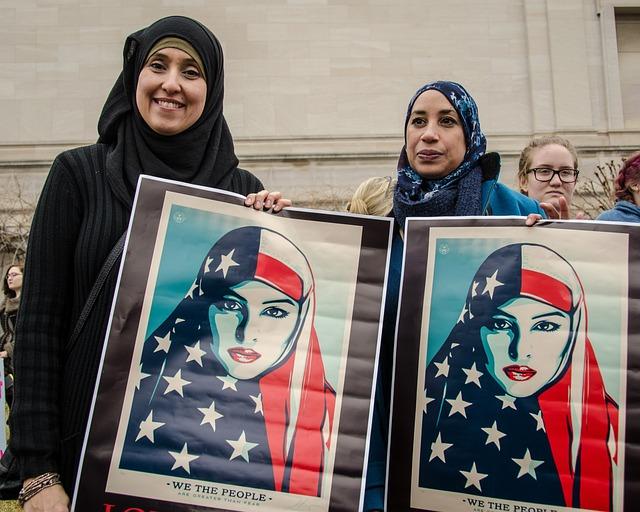
The U.S. Department of Education has announced the removal of several key regulations designed to protect students from discrimination, marking a significant shift in federal education policy. The changes, which roll back rules implemented under previous administrations, have sparked concern among civil rights advocates who warn that vulnerable student groups could face increased risks of bias and unequal treatment. This development highlights a contentious debate over the balance between regulatory oversight and educational autonomy in the United States.
US Education Department Eliminates Critical Protections Against Discrimination
The recent rollback by the US Education Department marks a significant shift in federal policy, lifting several safeguards that have been critical in preventing discrimination within educational institutions. Advocates argue this move could disproportionately affect marginalized student populations, particularly those based on race, gender, and disability. Critics warn that removing these protections undermines decades of progress made in ensuring equal access and fair treatment in schools across the nation.
Among the key changes are the elimination of provisions that previously required schools to proactively address discriminatory practices and implement transparent grievance procedures. The department’s decision also revokes guidelines that protected students from harassment and bias, raising concerns among educators and civil rights organizations. Key points affected by the rollback include:
- Reduced accountability measures for educational institutions.
- Weaker enforcement of anti-discrimination laws.
- Limited support for students facing harassment or bias.
| Previous Protection | Impact of Rollback |
|---|---|
| Mandatory reporting of discrimination incidents | Now voluntary, reducing oversight |
| Clear guidelines for handling harassment | Leading to inconsistent responses |
| Federal support for affected students | Significantly scaled back or removed |
Impact on Vulnerable Student Populations and Campus Equality Efforts
The rollback of anti-discrimination rules by the US Education Department raises immediate concerns for students from marginalized communities, including racial minorities, LGBTQ+ individuals, and those with disabilities. These groups often rely on robust federal protections to ensure equal access to educational resources and a harassment-free learning environment. Without these safeguards, the risk of unchecked bias and exclusion grows, potentially reversing years of progress in cultivating inclusive campus cultures.
Campus equality initiatives, which have historically depended on clear regulatory frameworks, face significant setbacks. Institutions might feel less compelled or legally obligated to enforce stringent anti-discrimination policies, potentially creating uneven standards across the country. Key implications include:
- Reduced accountability: Schools may encounter fewer mandates to investigate and resolve discrimination complaints.
- Unequal support services: Vulnerable students might lose access to dedicated resources such as counseling and advocacy programs.
- Potential rise in incidents: Without firm guidelines, incidents of bias or harassment could increase, undermining student well-being.
| Vulnerable Group | Impact of Rule Removal | Campus Response Challenge |
|---|---|---|
| Racial minorities | Less protection against discriminatory admissions and treatment | Ensuring equitable enrollment and support programs |
| LGBTQ+ students | Increased risk of harassment without federal enforcement | Maintaining safe spaces and inclusive policies |
| Students with disabilities | Potential reduction in accommodation enforcement | Providing consistent access and academic adjustments |
Legal and Social Implications of Rolling Back Anti-Discrimination Rules
The rollback of anti-discrimination protections by the US Education Department has sparked immediate concerns regarding the legal landscape for students and educational institutions alike. Critics warn that this move could weaken enforcement mechanisms and leave vulnerable groups — including racial minorities, LGBTQ+ students, and individuals with disabilities — with fewer avenues to seek redress. Legal experts argue that the diminished oversight may result in increased litigation as affected parties turn to courts to challenge discriminatory practices that were once clearly prohibited under federal guidelines.
Beyond the courtroom, the social ramifications are equally significant. Educators and civil rights advocates caution that the reduction in federal protections might embolden discriminatory behavior and create an environment less inclusive for marginalized communities. This shift could lead to:
- Heightened exclusion: Students feeling less safe and supported within educational settings
- Unequal access: Barriers to educational resources and opportunities for minority groups
- Community backlash: Increased protests and activism demanding restoration of protections
| Implication | Potential Impact |
|---|---|
| Legal Challenges | Rise in discrimination lawsuits |
| Student Well-being | Reduced sense of belonging |
| Institutional Liability | Increased risk of non-compliance penalties |
Recommendations for Advocacy Groups and Policymakers to Safeguard Inclusion
Advocacy groups and policymakers must adopt proactive strategies to counteract the recent rollbacks by the US Education Department. It is essential to engage in continuous monitoring of local and federal education policies to quickly identify discriminatory practices that may resurface. Collaborative efforts with affected communities can amplify voices that demand equitable treatment, ensuring marginalized students remain visible in policy dialogues. Additionally, strengthening legal frameworks at state levels may create protective buffers where federal safeguards are weakening.
Policymakers should prioritize transparency and accountability by implementing:
- Regular public reporting on discrimination complaints and their resolutions
- Increased funding for diversity and inclusion initiatives in schools
- Mandatory anti-discrimination training for educators and administrators
- Support for independent oversight committees
These measures not only safeguard inclusion but also foster an educational environment where every student can thrive, despite diminished federal protections.
| Action | Impact |
|---|---|
| Community Engagement | Empowers marginalized voices |
| State-Level Protections | Mitigates federal rollback effects |
| Transparency Reporting | Increases institutional accountability |
| Anti-Discrimination Training | Builds inclusive school culture |
Future Outlook
The US Education Department’s removal of key anti-discrimination rules marks a significant shift in federal education policy, raising concerns among civil rights advocates about the protection of vulnerable student groups. As this development unfolds, stakeholders across the education sector will be closely monitoring its impact on equality and access within American schools. Further updates are expected as schools and states navigate the changing regulatory landscape.