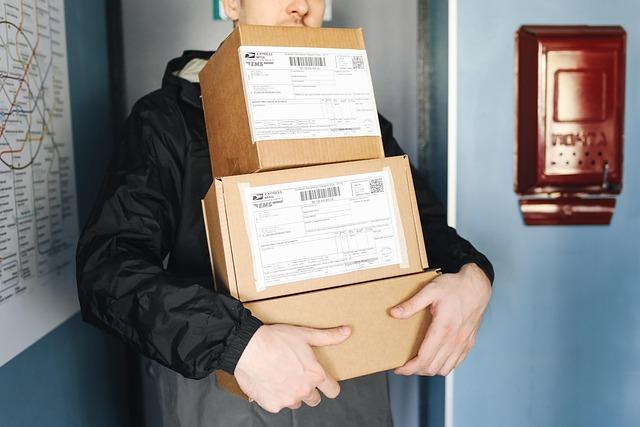
The United States Postal Service (USPS) has announced the implementation of an 8% fuel surcharge on all package shipments, a move aimed at offsetting rising fuel costs amid ongoing economic pressures. Effective immediately, this surcharge will impact both domestic and international parcels, marking a significant adjustment in the agency’s pricing strategy. The Guardian reports that this measure reflects the broader challenges faced by logistics providers as fluctuating energy prices continue to influence operational expenses. Customers and businesses alike are expected to feel the repercussions as shipping costs increase, raising questions about the long-term effects on mail service demand and the USPS’s financial stability.
US Postal Service Announces New Fuel Surcharge Impacting Package Shipping Costs
The United States Postal Service (USPS) has revealed plans to implement an 8% fuel surcharge applicable to all package shipments. This adjustment comes amid ongoing fluctuations in fuel prices, directly impacting USPS operating costs. Industry experts anticipate this surcharge will affect both residential and commercial shippers, potentially leading to noticeable increases in the final cost of sending parcels nationwide.
The new surcharge will apply across various classes of mail, with specific percentage increases varying by package type. Below is a breakdown of how the surge will influence typical shipping categories:
| Package Type | Current Rate Increase | Estimated Price Impact |
|---|---|---|
| First-Class Package | 8% | $0.50–$1.00 |
| Priority Mail | 8% | $1.50–$3.00 |
| Priority Mail Express | 8% | $2.00–$4.00 |
- Effective Date: The surcharge will go into effect on June 1, 2024.
- Reason: Fuel cost volatility continuing to place pressure on USPS logistics.
- Exemptions: Some bulk mailing services may see adjusted rates but are mostly exempt from the surcharge.
Analyzing the Economic Factors Driving the 8 Percent Fuel Surcharge Implementation
The recent decision to impose an 8% fuel surcharge by the US Postal Service is a direct response to escalating fuel costs, which have significantly impacted operational expenses. With global oil prices exhibiting volatility, the USPS is attempting to stabilize its financial model without compromising package delivery services amid increased demand. This fuel surcharge is expected to partially offset the rising costs of transportation and logistics, helping to sustain the USPS’s extensive nationwide network.
Key economic drivers behind this surcharge include:
- Rapid fluctuations in crude oil prices, leading to unpredictable fuel expenditures.
- A surge in package volumes following the growth of e-commerce, increasing fuel consumption sharply.
- Inflationary pressures that have raised overall operational costs beyond transportation.
- The need for USPS to maintain service quality and delivery times without increasing base shipping rates drastically.
| Economic Factor | Impact on USPS |
|---|---|
| Fuel Price Volatility | Direct increase in transportation costs |
| Package Volume Growth | Higher demand in fuel consumption |
| Inflation | Increased overall service expenses |
| Consumer Expectations | Pressure to maintain delivery speed |
Implications for Businesses and Consumers Relying on USPS Package Delivery
Businesses that depend heavily on USPS for their shipping needs will likely face increased operational costs due to the new 8% fuel surcharge. This additional fee could squeeze profit margins, particularly for small and medium-sized enterprises that typically operate on tighter budgets. Companies may need to reconsider their pricing structures or explore alternative shipping options to maintain competitiveness in an already challenging market. Additionally, retail sectors that offer fast and affordable shipping as a key customer incentive might experience shifts in consumer behavior as shipping costs rise.
On the consumer side, the surcharge means higher delivery fees, which could impact purchasing decisions—especially for low-cost or non-essential items. Customers might delay purchases or seek out retailers offering free shipping to offset these surcharges. For frequent online shoppers, this change translates into a cumulative cost increase that may affect overall spending habits. Businesses that clearly communicate the reasons behind price adjustments or provide incentives like loyalty programs may ease customer concerns during this transition.
- Expected business cost increase: 5-10% on average shipping expenses
- Consumers most affected: Those ordering low-margin products frequently
- Potential business responses: Price adjustments, alternative couriers, or bundling offers
| Stakeholder | Impact | Suggested Adaptation |
|---|---|---|
| Small Businesses | Higher shipping costs | Negotiate bulk rates or use hybrid shipping models |
| Large Retailers | Marginal increase in logistics expenses | Optimize supply chains, absorb costs strategically |
| Consumers | Increased delivery fees | Seek free shipping, consolidate orders |
Strategies for Managing Increased Shipping Expenses Amid Fuel Surcharges
With the US Postal Service’s recent announcement of an 8% fuel surcharge on packages, businesses and individual shippers face increased operational costs that demand innovative cost-management approaches. A key strategy involves optimizing shipping volumes by consolidating shipments where possible, thereby reducing the frequency of shipments subject to the surcharge. Leveraging regional distribution centers or drop-shipping directly to customers can also cut down on transit distances, mitigating fuel costs. Additionally, renegotiating contracts with carriers to secure bulk or loyalty discounts can offset the surcharge’s financial impact.
Another critical approach incorporates technology and data analytics to enhance route efficiency and minimize unnecessary mileage. Employing real-time tracking and predictive delivery scheduling helps reduce fuel consumption and improves delivery times. Businesses may also consider passing the surcharge transparently to customers through shipping fee adjustments, clearly communicating the reasons to maintain trust. Below is a brief comparison of cost-saving measures to consider:
| Cost-Saving Strategy | Impact on Shipping Expenses | Ease of Implementation |
|---|---|---|
| Shipment Consolidation | High | Medium |
| Route Optimization Tools | Medium | High |
| Contract Renegotiation | Medium | Low |
| Transparent Surcharge Communication | Low | High |
Wrapping Up
As the US Postal Service moves forward with the implementation of an 8% fuel surcharge on packages, consumers and businesses alike can expect to see an immediate impact on shipping costs. This measure, aimed at offsetting fluctuating fuel prices, highlights the ongoing challenges faced by the USPS in maintaining service efficiency while managing operational expenses. Stakeholders will be watching closely to gauge how this surcharge influences consumer behavior and overall mail volume in the months ahead.