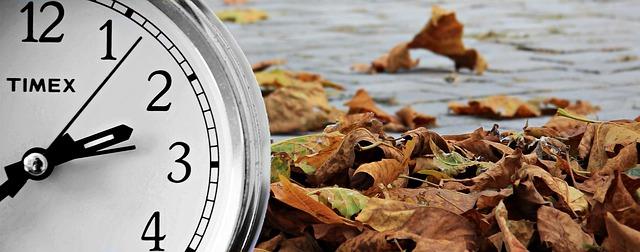
As daylight saving time approaches in 2026, Americans across the country prepare to “spring forward” and adjust their clocks. This annual ritual, designed to make better use of daylight during the longer days of spring and summer, once again prompts conversations about its impact on sleep, productivity, and energy consumption. USA Today provides a comprehensive guide on when to set your clocks forward this year, along with insights into the ongoing debate surrounding the future of daylight saving time in the United States.
Daylight Saving Time 2026 Overview and Key Dates
In 2026, the transition to Daylight Saving Time marks a crucial shift in the US calendar, offering longer evening daylight for all regions that observe it. This change officially occurs in the early hours of Sunday, March 8, 2026, when clocks are set forward by one hour at 2:00 a.m. local time. The emphasis on “springing forward� serves as a timely reminder to prepare for the shorter morning light but extended evening activities. States like Arizona and Hawaii remain exceptions, as they do not observe Daylight Saving Time and will maintain standard time year-round.
The clock reverts to standard time later in the year, providing balance to the shift. Key dates to watch include:
- Start of DST: March 8, 2026
- End of DST: November 1, 2026
| Event | Date | Action |
|---|---|---|
| Spring Forward | March 8 | Set clocks ahead by 1 hour at 2 a.m. |
| Fall Back | November 1 | Set clocks back by 1 hour at 2 a.m. |
Impact of Springing Forward on Health and Productivity
Adjusting clocks for daylight saving time often disrupts our natural circadian rhythms, leading to a temporary dip in both health and productivity. The sudden one-hour loss of sleep can increase feelings of fatigue, irritability, and decreased concentration. Studies have linked this shift to a higher risk of heart attacks and strokes in the days following “springing forward,” as the body’s internal clock struggles to recalibrate. Employers frequently observe a drop in workplace efficiency, with employees finding it harder to focus and complete tasks promptly.
However, the longer evening daylight can enhance mood and encourage more outdoor activity, which positively impacts overall well-being. To navigate the transition smoothly, experts recommend implementing small adjustments beforehand, such as:
- Gradually shifting bedtime: Moving sleep times 15 minutes earlier daily can help ease the change.
- Prioritizing exposure to morning light: This supports resetting the internal clock.
- Maintaining a consistent sleep schedule: Even on weekends, to stabilize circadian rhythms.
| Effect | Duration | Recommended Action |
|---|---|---|
| Sleep Disruption | 3-5 days | Advance bedtime gradually |
| Reduced Concentration | 1 week | Take short breaks during work |
| Mood Elevation | Throughout DST period | Increase outdoor activities |
Tips for Adjusting Your Sleep Schedule Ahead of Time
Shifting your sleep cycle gradually can make the transition to daylight saving time much smoother. Start by going to bed and waking up 15 to 20 minutes earlier each day, several days before the clock change. This incremental approach eases your internal clock into the new routine without causing abrupt tiredness. Additionally, try to maintain a consistent sleep environment—dim lighting and a cool, quiet space—to reinforce your body’s natural signals for rest.
Incorporate lifestyle adjustments that support your circadian rhythm. Limiting screen time an hour before bed can reduce blue light exposure, which interferes with melatonin production. Nutritional choices like avoiding heavy meals and caffeine late in the day are also effective. Here’s a simple daily checklist to follow in the lead-up to the spring forward:
- Shift bedtime earlier by 15-20 minutes each night
- Reduce exposure to screens and bright lights after dusk
- Keep your bedroom cool and dark for optimal sleep quality
- Avoid caffeine and large meals in the evening
- Engage in relaxing activities such as reading or meditation
How to Prepare Your Home and Technology for the Time Change
Adjusting your home and technology ahead of the time shift can make the transition smoother and help you avoid missing appointments or disrupting your daily routine. Start by updating all manual clocks, such as those on microwave ovens, stoves, and wall clocks. Many devices like smartphones, tablets, and computers automatically adjust, but it’s wise to verify their settings before the change to ensure accuracy. Consider setting reminders for the weekend before if you tend to forget, or enable automatic updates where available to minimize the risk of error.
In addition to timekeeping devices, your home’s lighting and security systems may also need adjustments. Smart thermostats and lighting that operate on programmed schedules should be resynced to match the new time to maintain comfort and efficiency. Here’s a quick checklist to help you prepare:
- Verify manual clocks: update all devices without automatic settings.
- Check automatic updates: confirm phones and computers are set to adjust time zones automatically.
- Resync smart devices: smart thermostats, lights, and security systems.
- Update calendars and alarms: ensure appointments and reminders reflect the new time.
| Device | Action | Notes |
|---|---|---|
| Microwave Clock | Manual update | Commonly overlooked |
| Smartphone | Confirm auto-update | Usually automatic |
| Thermostat | Resync schedules | Maintains home comfort |
| Security System | Verify timing | Ensures accurate logging |
The Conclusion
As daylight saving time approaches in 2026, Americans across the country will once again adjust their clocks to make the most of extended evening daylight. Remember to set your clocks forward by one hour on the designated spring date to stay on schedule. For the latest updates and detailed information on daylight saving time changes, stay tuned to USA Today.