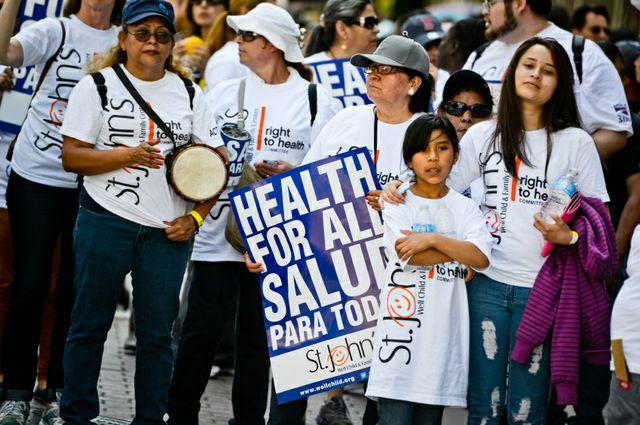
Amid ongoing debates over immigration policy and healthcare access, questions continue to arise about whether undocumented immigrants in the United States are eligible for “free health care” or Medicaid benefits. This article explores the complexities of the topic, clarifying federal and state regulations that govern healthcare access for undocumented individuals. Drawing on expert analysis and official data, USA Today aims to provide readers with a clear understanding of what is—and isn’t—available to undocumented immigrants under current U.S. law.
Eligibility Criteria and Restrictions for Medicaid Coverage
Medicaid eligibility hinges heavily on immigration status, with strict regulations guiding who qualifies for benefits. Undocumented immigrants are generally excluded from most Medicaid coverage, except in limited circumstances such as emergency medical conditions. States maintain some flexibility through state-funded programs or options for covering certain groups, but the federal Medicaid program primarily restricts eligibility to U.S. citizens, lawful permanent residents, and individuals with certain visa statuses. This distinction ensures that Medicaid resources are prioritized for documented residents while setting clear boundaries on access to publicly funded healthcare.
Beyond immigration status, Medicaid also requires applicants to meet income and residency requirements, which can vary by state. Key restrictions include:
- Income Limits: Applicants must typically fall below specific federal poverty level thresholds.
- Residency: Applicants must reside in the state where they apply.
- Documentation: Proof of citizenship or qualified immigration status is necessary.
| Eligibility Factor | Requirement |
|---|---|
| Immigration Status | U.S. citizen or qualified immigrant |
| Income Threshold | Varies by state (usually below 138% FPL) |
| Residency | Must be a resident of the state applying in |
| Exceptions | Emergency Medicaid for urgent care regardless of status |
Impact of Health Care Policies on Undocumented Immigrant Communities
Health care policies in the United States play a pivotal role in shaping access to medical services for undocumented immigrant communities. Generally excluded from federally funded programs such as Medicaid and the Affordable Care Act, undocumented immigrants face significant barriers to obtaining affordable care. While some states have enacted their own health initiatives to bridge these gaps, the landscape remains fragmented and inconsistent across the country. This patchwork approach leads to disparities in health outcomes, often leaving vulnerable populations without timely and necessary treatment.
Key challenges impacting these communities include:
- Limited eligibility for public insurance programs
- Fear of deportation when seeking medical assistance
- Inaccessibility of preventative and specialty care
- Financial strain from out-of-pocket medical expenses
| State | Coverage Option | Program Details |
|---|---|---|
| California | State-Funded Medi-Cal | Low-income undocumented immigrants under 26 years |
| Illinois | All Kids Program | Children regardless of immigration status eligible |
| Texas | Emergency Medicaid | Coverage limited to emergency situations only |
State-Level Variations in Access to Public Health Programs
Across the United States, access to public health programs for undocumented immigrants varies significantly due to state-level policies and funding priorities. While some states have expanded their offerings to include essential healthcare services without immigration status restrictions, others maintain strict eligibility criteria that exclude undocumented individuals from programs like Medicaid. These discrepancies have resulted in a patchwork system where coverage is largely determined by geographic location rather than need.
States with more inclusive policies often provide:
- Emergency Medicaid coverage
- State-funded health programs for children
- Access to community-based clinics offering sliding-scale fees
- Local initiatives aimed at preventative care and chronic disease management
| State | Medicaid Eligibility | State-Funded Services | Notes |
|---|---|---|---|
| California | Partial (children & young adults) | Yes | Expansive coverage via state funds |
| Texas | No | Limited | Restricted access, emergency only |
| New York | Partial (pregnant women & children) | Yes | Robust community health programs |
| Florida | No | Limited | Emergency services only |
Practical Steps for Undocumented Immigrants Seeking Medical Assistance
Undocumented immigrants can take several crucial actions to access necessary medical services despite their status. First, it’s important to identify community health centers or federally qualified health centers (FQHCs) that provide care regardless of immigration status. These centers often offer a range of low-cost or sliding scale fee services and are a reliable starting point. Additionally, hospitals are required under federal law (EMTALA) to provide emergency care without requiring proof of citizenship or insurance, ensuring immediate health concerns aren’t neglected.
Beyond emergency services, undocumented immigrants can also explore local programs and nonprofits offering assistance with medical costs or connect with immigrant advocacy groups knowledgeable about healthcare resources. Here’s a brief overview of practical resources:
- Community health clinics: Affordable and culturally sensitive care on a sliding fee scale.
- State or local health programs: Some states provide limited Medicaid services or public health programs regardless of status.
- Health advocate organizations: Assistance navigating the healthcare system and identifying free or low-cost services.
| Resource | Service Type | Eligibility |
|---|---|---|
| Federally Qualified Health Centers | Primary Care, Dental, Mental Health | All residents, regardless of status |
| Emergency Medical Treatment (EMTALA) | Emergency Care | Anyone needing emergency care |
| Local Nonprofits | Specialized Outreach & Financial Aid | Depends on program |
Key Takeaways
In summary, while undocumented immigrants face significant barriers to accessing federal Medicaid and many public health programs in the United States, certain state and local initiatives provide limited healthcare services to this population. Understanding the nuances of eligibility and coverage is essential for informed discussions about healthcare access and policy reform. As the debate continues, clear information remains crucial to dispel misconceptions and guide both public opinion and legislative efforts.